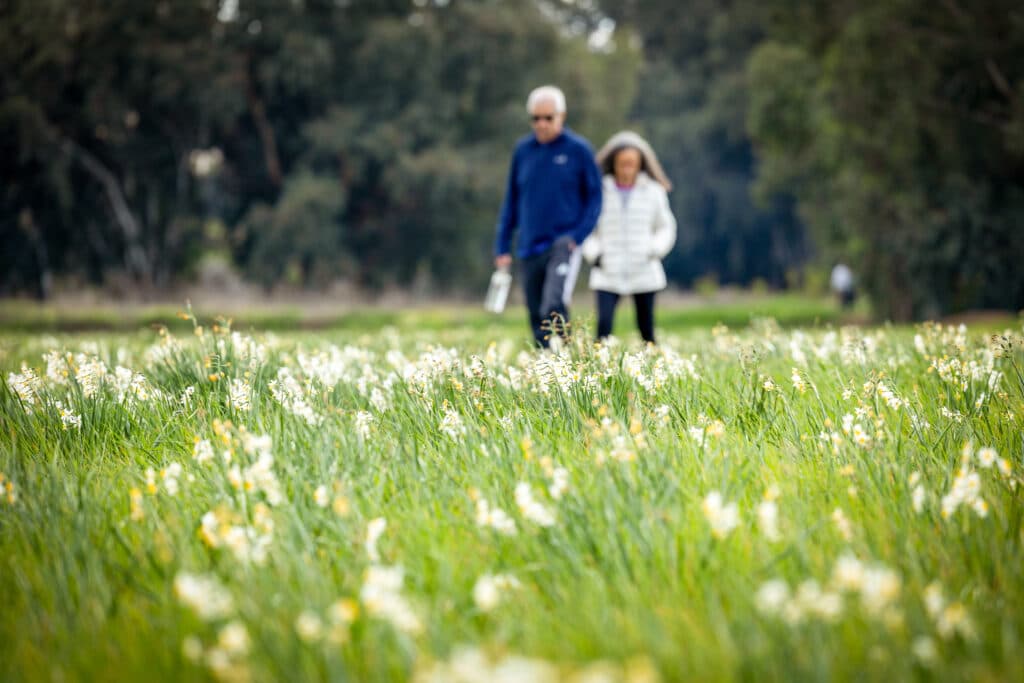

Israerlis enjoy walking amongst the daffodils growing near the Coast of Israel. | Photo: Dor Pazuelo/Flash90
Blessings as a Bridge Between the Spiritual and the Everyday
People of faith make blessings as a way to recognize God’s presence in their lives, express gratitude, and seek divine favor. Blessings serve as a bridge between the spiritual and the everyday, turning routine actions like eating, waking up, or experiencing nature into moments of worship.
In Jewish tradition, blessings have a specific structure and purpose, rooted in the belief that every aspect of life is connected to God. Orthodox Jews recite blessings not only before and after eating but also upon seeing a rainbow, smelling fragrant spices, or performing a mitzvah.

Blessings Follow a Set Formula
These blessings follow a set formula, often beginning with “Baruch Atah Hashem” (Blessed are You, Lord), reinforcing a constant awareness of the divine. Unlike general prayers of thanksgiving, Jewish blessings often focus on the sanctification of physical actions, recognizing that spirituality is not separate from daily life but deeply embedded within it. This structured approach reflects a unique Jewish perspective—finding holiness in the mundane and turning even the smallest experiences into opportunities for connection with God.
Making Sure Spirituality Doesn’t Get Forgotten
In a world in which we live very busy lives, occupied by family, work, social media, friends, fitness, leisure and a thousand other activities vying for our time, spirituality can sometimes get lost in the mix. Daily Jewish Prayer certainly contributes greatly to infusing our day with spirit, but in truth, even if we do it conscientiously, it is still thirty minutes in the morning and thirty minutes in the evening. Prayer is an important anchor in our day, but the Jewish sages said that more is needed to remind us of the metaphysical in our otherwise very physical lives.
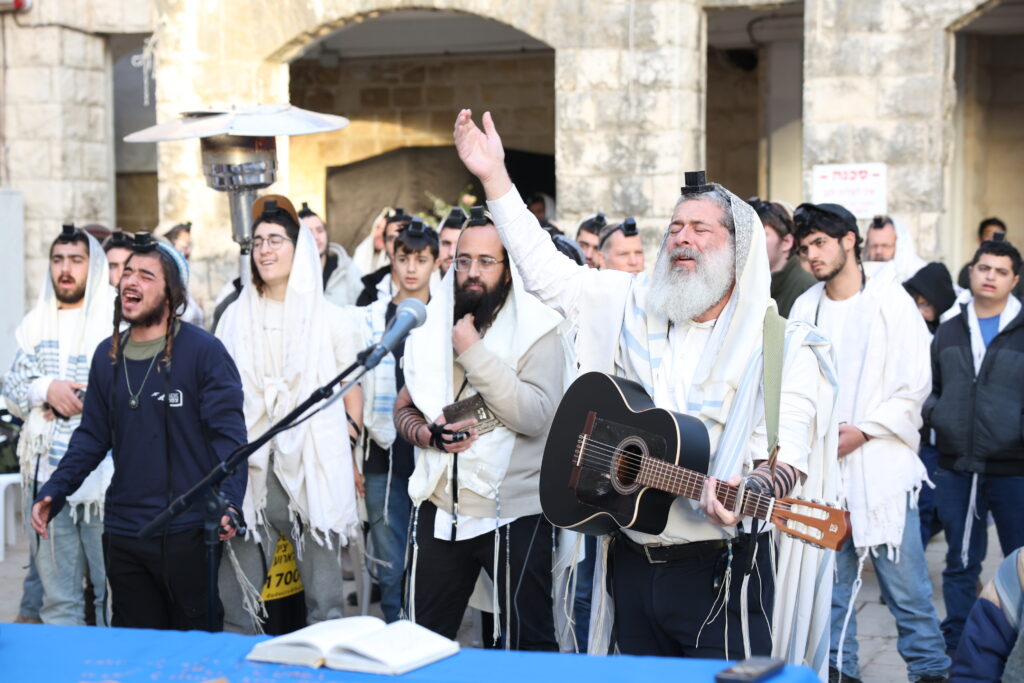
The Torah, anticipating this concern, especially for the farmers who spend most of their day in the fields, commands the mitzvah of blessing God at specific times in one’s day.
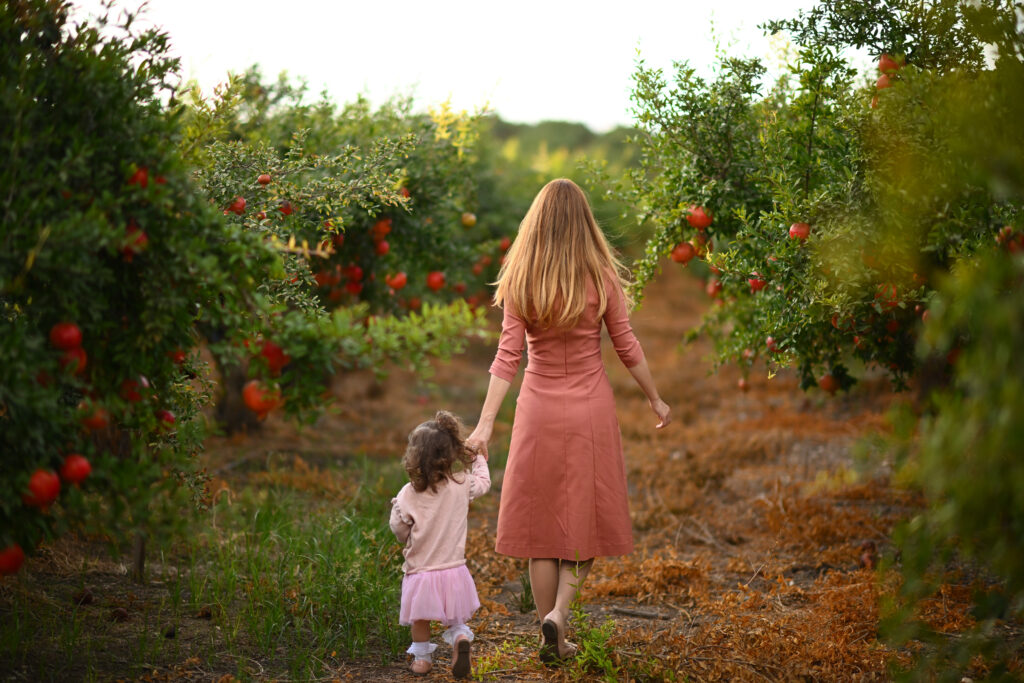
“You will eat, be satisfied (and specifically at time when you would normally sit back and enjoy the fruits of your labor) bless God the Lord for the good land which He gave to you.” (Deuteronomy 8:10)
What does a blessing do? First and foremost, it reminds us, it grounds us; it injects us with a small yet efficient dose of ‘God-consciousness’ in an otherwise ‘sporadic Godly’ existence! When does the Torah mandate this blessing injection? Any time you have a meal which satiates you– which comes out to at least twice perhaps three times a day where you will have an opportunity to inject a dose of God consciousness into your life.
Who Wrote Jewish Blessings?
Over 1400 years ago, rabbis in Israel and Babylonia, recognized the brilliance of this biblical directive, and expanded upon it. In the ancient book of Oral Law called the Talmud Bavli there is a discussion whether one should recite blessings in addition to the Biblical mandated Grace After Meal. It answers in the affirmative through a logical analysis: “we know (from the Torah) that you make a blessing after you are full, how much more so should you do so before the meal!” If the Torah prescribed a blessing after a meal, the rabbis doubled that equation and prescribed a pre-meal benediction.
But then they went one step further. Realizing that more blessings only enhance one’s spiritual connection to God they prescribed more and more blessings, interspersing them throughout one’s day. Maybe in addition to thanking God in the form of a blessing, one should bless God before eating! And perhaps if one is blessing when eating, maybe one should bless when waking up in the morning, getting dressed, tying one’s shoes, setting out on the road, engaging in work. Maybe blessings could be the anchor by which one’s entire day is grounded. We will continue to learn about this theme in this series of articles.
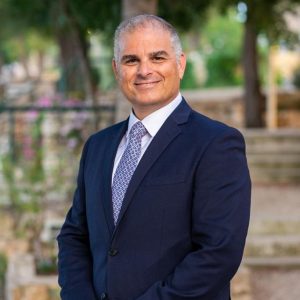
Rabbi Avi Baumol grew up in New York and has a B.A. in Economics and an M.A. in Medieval Jewish History from Yeshiva University. He has been an educator, author, tour guide and lecturer for over three decades and currently lives in Judea with his wife and children.
Discussion0
No comments yet — be the first to share your thoughts.