Bible Study Part 1: The Biblical Significance of the U.S. Embassy Dedication in Jerusalem

Rabbi Avi Baumol
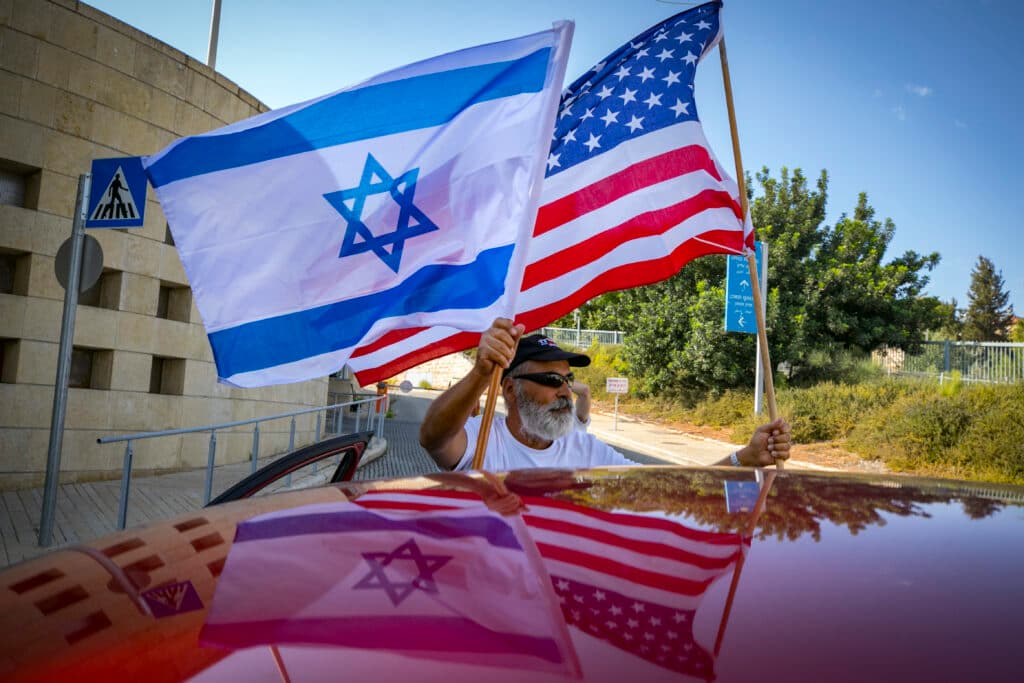
Outside the US embassy in Jerusalem. | Photo by Olivier Fitoussi/Flash90.
“Hallelujah – Praise God”
On May 14, 2018, seventy years after the declaration of the State of Israel, at the dedication of the United States Embassy in Jerusalem, Pastor John Hagee delivered a powerful prayer before an audience of dignitaries. He concluded with these words: “Let the name of the Lord be glorified today, for the defender of Israel today, tomorrow, and forever, is here. Can we all shout Hallelujah (praise God)? Amen!”
At first glance, this may seem like a moving but routine address, one of many speeches given at historic political events. However, given that this moment took place precisely 70 years to the day after Israel’s official return to the land, it carries a far deeper, even biblical, significance. This perspective is rooted in the understanding that biblical prophecies and narratives are not merely historical accounts but messages meant to resonate throughout time. Scripture holds an eternal message for the world, and each generation is called to interpret unfolding events with an awareness of prophetic words.
What Does the Bible Tell Us?
Many believe that today’s world is witnessing a redemptive era, with biblical prophecies manifesting before our eyes. The last chapter of Isaiah presents us with just a prophecy relating to May 14th, 1948, that we cannot deny its realization. In Isaiah 66:8, the Prophet rhetorically exclaims: “Who has heard such a thing? Who has seen such things? Is a land born in one day? Is a nation brought forth at once?”
Remarkable Advances Foretold by the Prophets
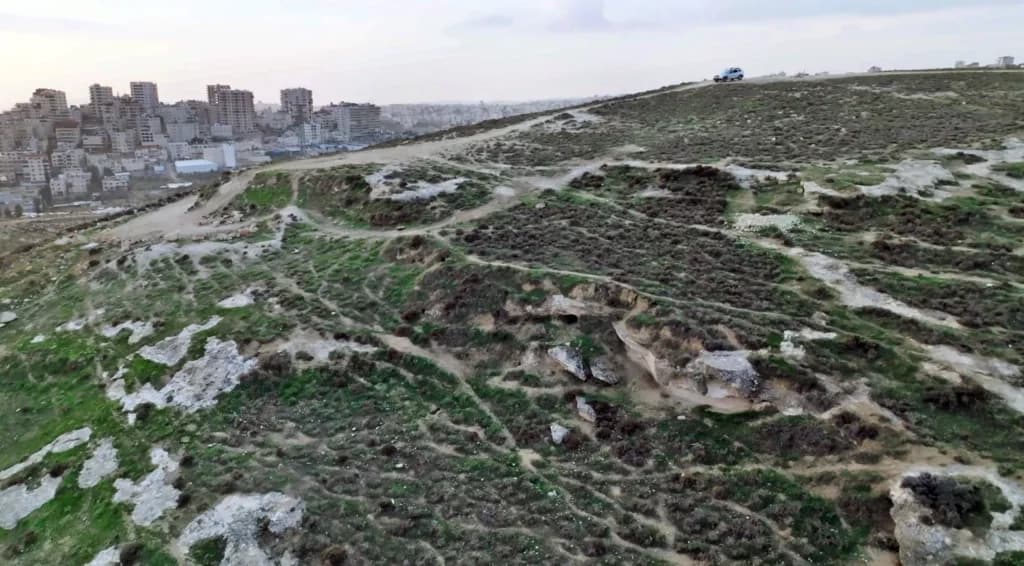
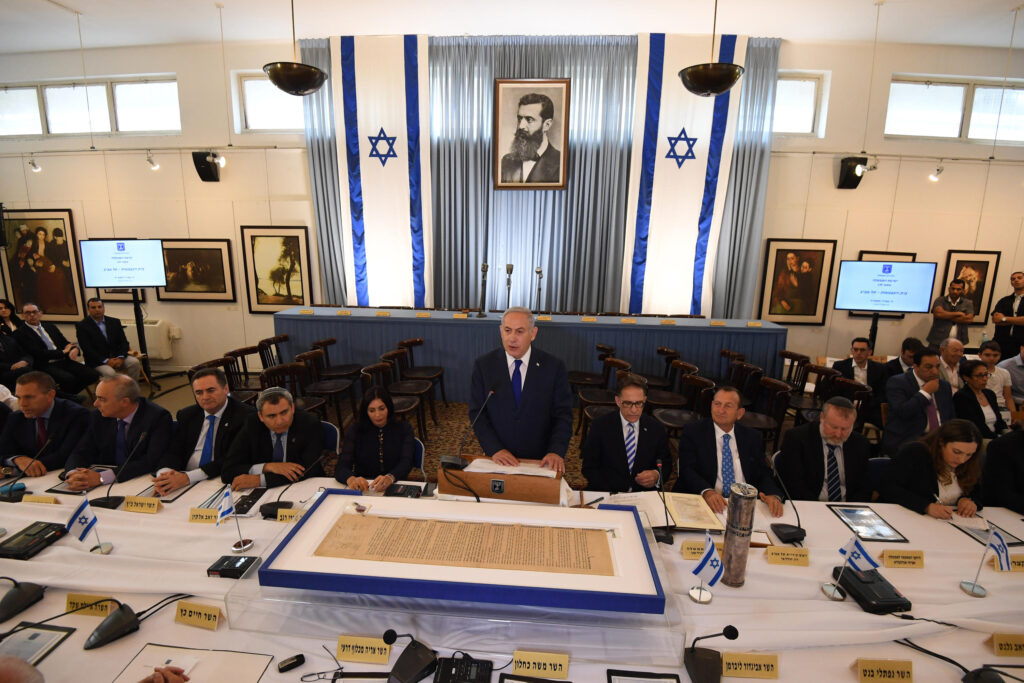
In Ezekiel 36:24, the Prophet speaks of God “taking you out of the nations, gather you from all the countries, and bring you back into your land.” The last 150 has seen this process unfold before our very eyes! In 1867 Mark Twain came on a voyage to the holy land but he was sorely disappointed at what he saw: “….. A desolate country whose soil is rich enough, but is given over wholly to weeds… a silent mournful expanse…. a desolation…. we never saw a human being on the whole route…. hardly a tree or shrub anywhere. Even the olive tree and the cactus, those fast friends of a worthless soil, had almost deserted the country.”
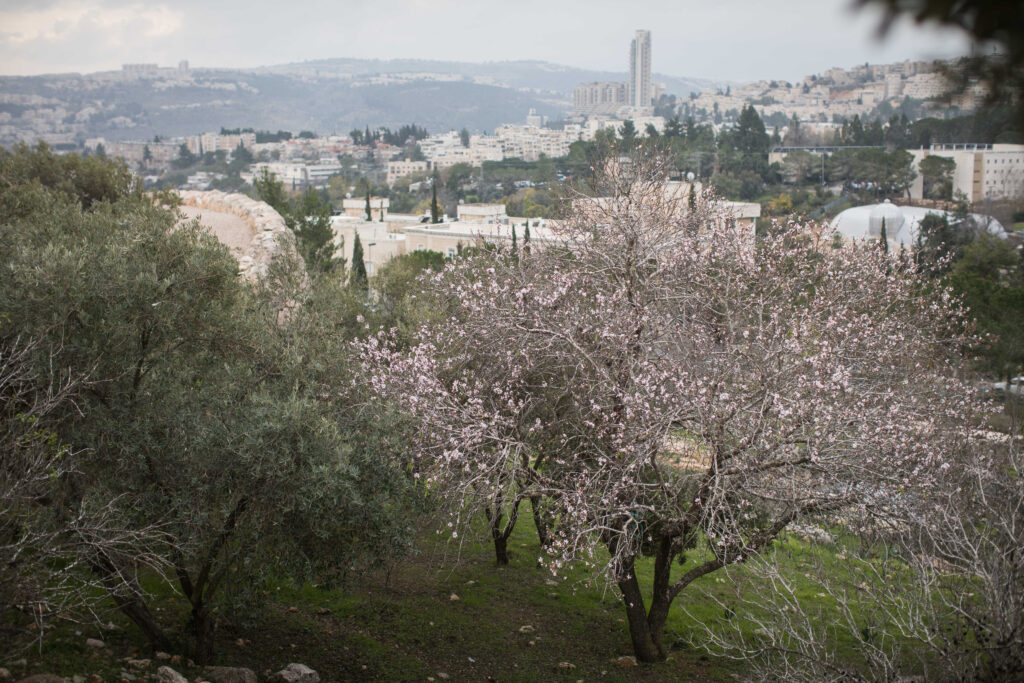
Isaiah 27:6 describes a vision of the redemption when the land becomes fertile once again: “In days to come Jacob will take root, Israel will bud and blossom and fill all the world with fruit.” Anyone who has been to Israel in the past decades has seen the miraculous transformation of this land to become fertile, blossoming, modernizing, and a successful haven for all peoples, regardless of race or religion. It is truly a sign of the redemption.
Milestone in Unfolding of God’s Divine Plan
From this viewpoint, Pastor Hagee’s benediction is not just a prayer but a significant milestone in the continued unfolding of God’s divine plan. Throughout Scripture, non-Israelite figures are given a meaningful role—not just as adversaries, but as those who stand alongside God’s people, recognizing His hand in history.
The Bible not only recounts the struggles and victories of Israel but also highlights the role of righteous individuals from the nations who support, defend, and bless Israel and the God of Israel. Time and again, Scripture records them proclaiming blessings in God’s name, often using the phrase “Blessed be the Lord!” This powerful declaration, which appears throughout the biblical text, finds its origin in a foundational passage of God’s Word, which will be explored in the upcoming article.
Rabbi Avi Baumol grew up in New York and has a B.A. in Economics and an M.A. in Medieval Jewish History from Yeshiva University. He has been an educator, author, tour guide and lecturer for over three decades and currently lives in Judea with his wife and children.
Discussion0
No comments yet — be the first to share your thoughts.