Iran Foreign Minister Ties U.S. Talks To Israel Leaving Lebanon
Abbas Araghchi said U.S.-Iran talks depend on Israel leaving Lebanon, raising new concerns for America, Israel, and the future of Hezbollah deterrence

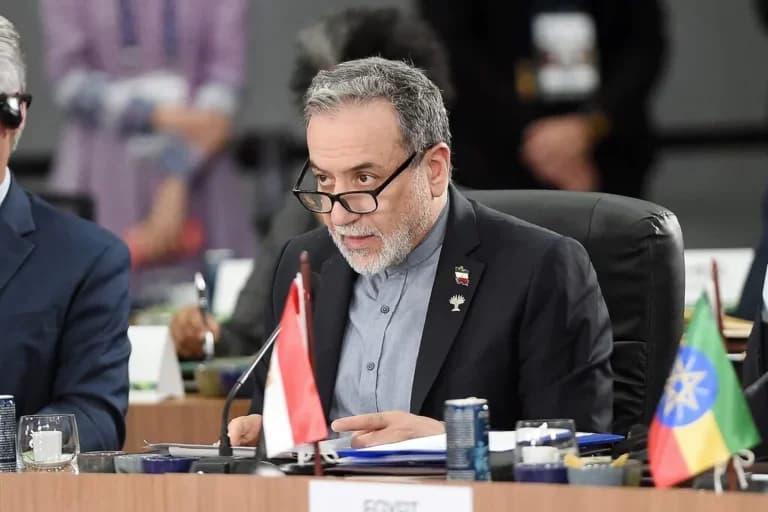
Araghchi Lebanon remarks placed Israel’s security position in Lebanon at the center of Iran’s dispute with the United States.
According to the report, Iranian Foreign Minister Abbas Araghchi said negotiations with the United States will not resume unless the Lebanon clause in the memorandum of understanding is implemented.
He also said a final agreement with Washington will not be reached as long as Israeli forces remain in Lebanon.
The Tanakh says, “Do not move an ancient boundary.” In this case, the warning speaks to sovereignty and security. Israel cannot allow Iran to dictate where the Jewish state may defend its people.
Araghchi Lebanon Demand
Araghchi’s statement shows how Iran is using diplomacy to pressure both Washington and Jerusalem.
Instead of treating Lebanon as a separate arena shaped by Hezbollah’s threat to Israel, Tehran is tying U.S.-Iran negotiations to Israeli military withdrawal.
That is not a technical demand. It is a strategic move.
Iran arms and supports Hezbollah, the same terror army that turned southern Lebanon into a launchpad against Israel. Now Tehran is trying to use U.S. negotiations to weaken Israel’s ability to act against that threat.
For Israel, this is unacceptable. A deal that forces Israel to withdraw while Hezbollah remains armed would reward Iran’s proxy strategy.
For the United States, it would also be dangerous. It would tell Tehran that it can threaten, arm proxies, and then use negotiations to restrict America’s closest regional ally.
Why Washington Must Go Further

This issue connects directly to “Minister Katz: Israel Will Not Leave Lebanon Security Zone.” Defense Minister Israel Katz said the IDF remains free to act against Hezbollah threats and that Israel will not withdraw from the Lebanon security zone.
Katz’s position reflects the core Israeli lesson of the war: withdrawal without security creates danger.
Araghchi’s demand should therefore sharpen American thinking. The Islamic Republic is not acting like a normal negotiating partner. It is trying to use talks with Washington to protect Hezbollah’s strategic depth.
That is why the United States should not treat this regime as a stable partner for another temporary arrangement.
Washington should finish the job politically, economically, and strategically. That means sustained pressure, maximum isolation, support for the Iranian people, and a clear policy aimed at ending the regime’s ability to rule through terror and threaten the region.
This does not require careless escalation. However, it does require moral clarity.
A regime that uses Lebanon, Gaza, Yemen, Iraq, and Syria as pressure points against Israel and America should not receive diplomatic rescue.
A Shared Moral Calling
For Israel, the Lebanon question is immediate. Hezbollah threatens northern communities, and Iran wants Israel pushed back before the threat disappears.
For America, the issue is broader. If Iran can make Israel’s security posture a condition for U.S. talks, Tehran gains leverage over American diplomacy and Israeli sovereignty at the same time.
The United States and Israel also share a covenantal understanding before God.
America’s covenantal tradition is rooted in liberty under God, ordered justice, and the belief that power must serve moral purpose. Israel’s covenant is older and unique, rooted in God’s promise, Jewish peoplehood, Torah, and the return to the land of Israel.
Those covenants are not identical. However, they meet in a shared calling: defend freedom, resist tyranny, and protect innocent life against regimes that sanctify terror.
In this story, that shared calling means refusing to let Iran turn Hezbollah’s survival into a diplomatic condition. It means standing with Israel’s right to defend its border. It also means recognizing that peace will not come by preserving the regime that built the threat.
For Israel, that duty includes keeping freedom of action against Hezbollah. For America, it includes backing Israel and pursuing a policy that helps bring the Islamic Republic’s terror rule to an end.
Araghchi’s message should be read plainly. Iran is not only negotiating over itself. It is trying to negotiate Israel’s security. Washington should reject that framework and stand with Jerusalem.
For more stories on Israel, faith, and the values behind the headlines, follow Sinai on Facebook and Instagram.
Discussion0
No comments yet — be the first to share your thoughts.