Araghchi Denies Iran Attack On Barzani’s Office
Iranian Foreign Minister Abbas Araghchi denied Iranian responsibility after Masrour Barzani accused Tehran of launching UAVs at his office

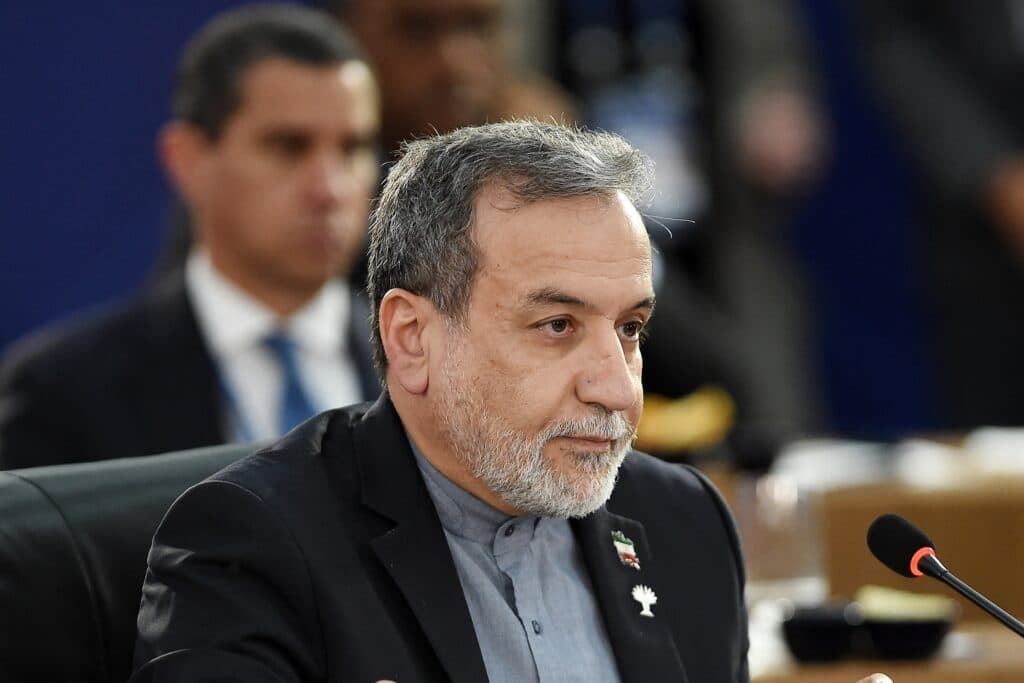
Araghchi denies Iran attack claims after Iraqi Kurdistan Prime Minister Masrour Barzani accused Tehran of launching UAVs at his office.
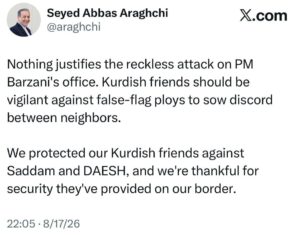
Iranian Foreign Minister Abbas Araghchi directly denied Iranian responsibility in a post on X. “Nothing justifies the reckless attack on PM Barzani’s office,” he wrote. “Kurdish friends should be vigilant against false-flag ploys to sow discord between neighbors.”
Araghchi also pointed to Iran’s past relationship with Kurdish forces. “We protected our Kurdish friends against Saddam and DAESH,” he wrote, “and we’re thankful for security they’ve provided on our border.”
The Torah warns, “Keep thee far from a false matter.” In a drone-war environment, denial can become part of the battlefield. Missiles and UAVs strike first, while diplomatic language tries to confuse responsibility afterward.
Araghchi Denies Iran Attack
Araghchi’s denial came after Barzani said an investigation by the Kurdistan Region’s Counter-Terrorism Unit found that Iranian UAVs attacked his personal office and the home of the head of the Security and Intelligence Agency.
Reuters reported that the Kurdistan Regional Government’s security agency said two drones attacked the prime minister’s office. According to the KRG statement cited by Reuters, the drones were launched from Iranian territory. No casualties were reported.
Barzani strongly condemned the attack and called it a dangerous escalation. He said it posed a direct threat to the security and stability of the Kurdistan Region.
Iran’s response followed a familiar pattern: reject responsibility, warn of a supposed false flag, and present Tehran as the protector rather than the threat. That messaging matters because Iran often tries to separate its public diplomacy from the pressure it applies through drones, militias, and intimidation.
Barzani’s Accusation And Iran’s Pattern
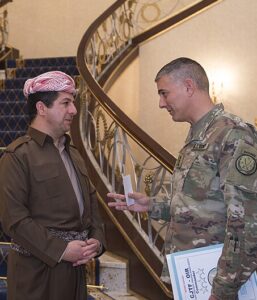
The latest denial follows “Iranian Drones Strike Barzani’s Office In Kurdistan.” That article reported that Iranian UAVs reportedly attacked Masrour Barzani’s office and another security-linked home in Kurdistan, with no casualties reported.
The new Araghchi post does not erase the accusation. Instead, it shows the next phase of the confrontation: Iran disputes the charge while Kurdish officials point to Iranian UAVs and Iranian territory.
According to the report, Iran has continued attacking Kurdish targets in recent weeks on a large scale. Even after attacks on neighboring countries ceased, Kurdish areas remained under pressure. That makes Araghchi’s language about friendship and border security difficult to separate from Tehran’s wider record.
The issue also matters beyond Kurdistan. Iraq remains a key front in the confrontation between Iran, U.S.-aligned partners, and regional forces resisting Tehran’s influence. Kurdish stability affects American interests, Israeli security thinking, and the wider map of Iranian pressure from Iraq to Syria and Lebanon.
Covenant Against Fear And Deception
The United States and Israel carry separate covenantal missions before God, yet both understand the danger of regimes that use force and denial together. America’s role is to protect allies and preserve order against coercive powers. Israel’s role is to defend the Jewish people against the same Iranian system that arms terror groups and destabilizes borders.
Kurdistan sits inside that larger struggle. When Iran is accused of striking a U.S.-aligned regional partner, the story is not local only. It becomes part of the same pressure architecture that threatens Israel, Gulf states, shipping lanes, and American influence.
Araghchi says Iran protected its Kurdish friends. Barzani says Iranian UAVs struck his office. Those two claims cannot both define reality. The next test is whether Washington, Jerusalem, and regional partners treat Iran’s denial as an answer, or as another layer of the threat.
For more stories on Israel, faith, and the values behind the headlines, follow Sinai on Facebook and Instagram.
Discussion0
No comments yet — be the first to share your thoughts.