A New Mediterranean Alignment: Israel, Greece, and Cyprus Weigh Joint Military Force to Counter Turkey
Israel, Greece, and Cyprus are examining the establishment of a joint force to defend strategic assets and infrastructure in the Mediterranean Sea | The force would be designed to confront growing security challenges in the region, foremost among them Turkey’s expanding military activity

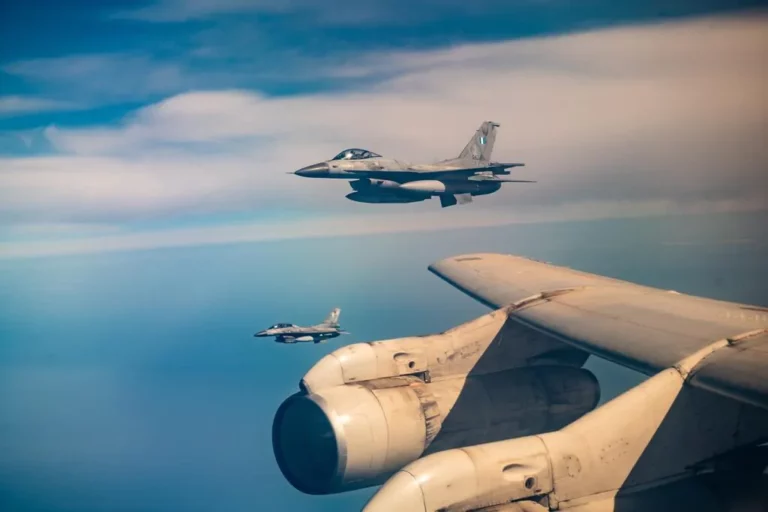
Against the backdrop of the strengthening of the Turkish military and the ambitions of President Recep Tayyip Erdoğan, Israel, Greece, and Cyprus are examining the creation of a joint military “rapid response” force. The force—roughly brigade-sized—is intended to protect strategic assets in the Mediterranean Sea. This was reported on Thursday in the Greek media.
2,500 Troops
According to the report, the initiative is being discussed in Athens with senior security officials, in coordination with Israel and Cyprus. Its purpose is to address growing security challenges in the region, chief among them Turkey’s military activity, which in recent years has included large-scale air and naval exercises throughout the Mediterranean.
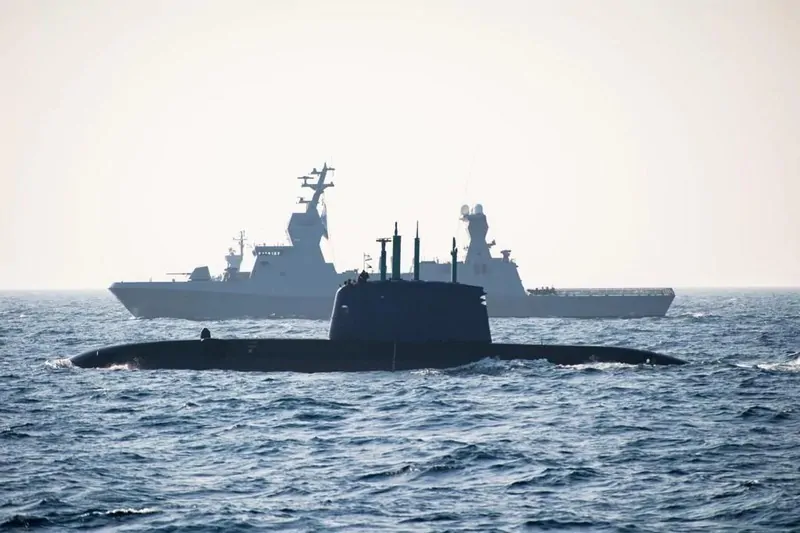
Under the plans being considered, the combined force would number approximately 2,500 troops: about 1,000 from Israel, 1,000 from Greece, and 500 from Cyprus. The force would include both air and naval components. To support its operations, dedicated infrastructure would be allocated in Rhodes or Karpathos, as well as in Cyprus and Israel. According to the report, Israeli Air Force and Hellenic Air Force squadrons would be integrated into the framework, alongside warships and submarines.
In the maritime dimension, Greece is considering contributing a frigate and a submarine. Israel is expected to provide a new corvette and an additional submarine. The forces would operate as required, either in separate patrols or as a combined formation. The emphasis would be on defending gas facilities, pipelines, electricity cables, and underwater infrastructure.
“Strategic Depth”
In Greece, officials note that the strengthening partnership with Israel grants Athens “strategic depth” in the face of the challenges posed by Turkey. In Jerusalem, the initiative is viewed as another layer of reinforcement for regional defense in the Mediterranean arena.
At the same time, political sources stress that, at this stage, the move remains a declaration of intent. The practical implementation of the plan will be assessed in accordance with developments in the region—above all, the desire to curb further Turkish entrenchment in the eastern Mediterranean.
For readers attentive to the deeper currents of history, the alignment is notable. The eastern Mediterranean—so often a stage in the biblical world of trade routes, alliances, and rival empires—once again finds Israel forming partnerships to safeguard life-sustaining resources and secure its maritime borders. As in the days when Israel sought allies “from the isles of the sea,” the present moment underscores how geography, security, and covenantal responsibility intersect in shaping Israel’s role among the nations today.
Discussion0
No comments yet — be the first to share your thoughts.