Brent Crude Drops 14% After U.S.-Iran Calm
Brent crude fell from $100 to $86 after several calmer days between the U.S. and Iran, showing how regional tensions shape global energy markets

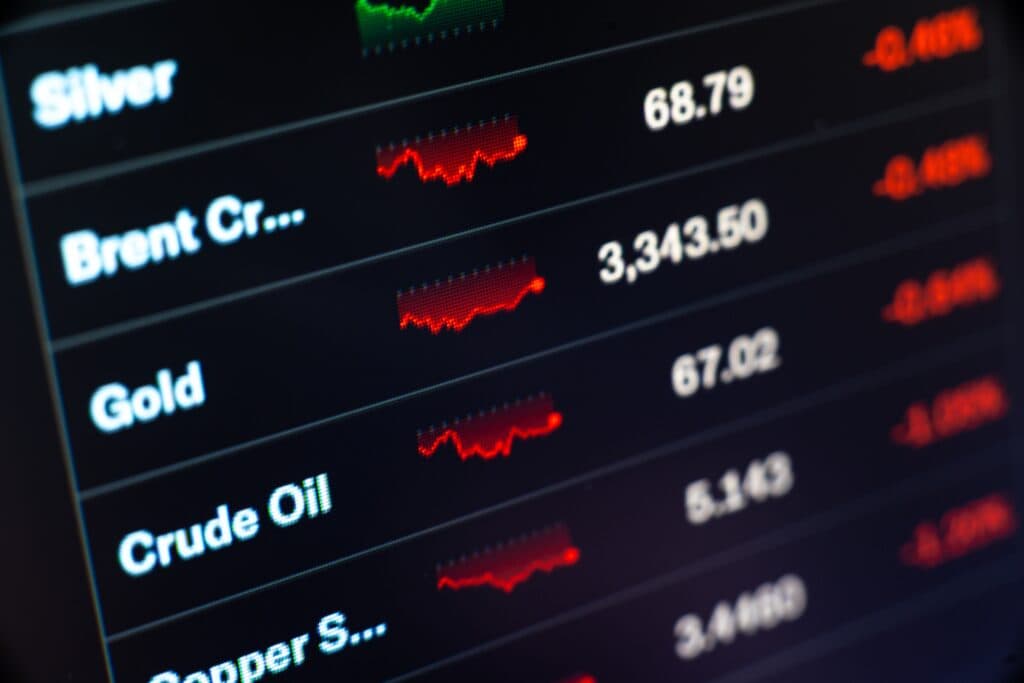
The Brent crude price drop shows how quickly global energy markets respond when tensions between the United States and Iran begin to cool.
Just five days ago, Brent crude stood at $100 per barrel. Today, after several calmer days between Washington and Tehran, the price stands at $86. That marks a sharp 14% decrease in less than a week.
Oil prices do not move only on supply and demand. They also move on fear, shipping risk, war expectations, and the security of the Strait of Hormuz. When the market sees lower immediate danger, prices can fall quickly.
The Tanakh says, “He makes wars cease to the end of the Earth.” That verse gives this moment a clear frame. Even temporary quiet can carry real economic weight. When war risk drops, markets breathe. When escalation returns, ordinary people pay.
Brent Crude Price Drop
For the United States, lower Brent prices can ease pressure on consumers, transportation, and inflation-sensitive sectors. High oil prices reach Americans through fuel costs, shipping costs, and wider price expectations. Therefore, Washington has a clear interest in calm that does not come at the expense of deterrence.
That balance matters. President Trump’s firm posture toward Iran has helped shape the regional equation, but his reported pause on a wider strike also shows a strategic calculation. Strength does not always require immediate escalation. Sometimes it requires pressure, patience, and readiness.
For Israel, the price movement also matters. Israel faces Iran as a direct strategic threat. However, Israel also operates inside the same global economy. Lower energy prices can reduce pressure on transport, imports, and regional markets.
Still, Israelis cannot confuse calm with safety. A few quiet days can lower Brent crude, but Iran’s proxy network and maritime threats remain active concerns.
Markets Watch U.S.-Iran Tension
That point connects directly to “Trump Delays Iran Strike As IRGC Threatens Israel And Britain.” Trump is reportedly delaying a large-scale Iran strike after military warnings, as the IRGC threatens Britain, Gulf states, and Israel.
If investors believe the United States and Iran may avoid immediate escalation, prices can fall. If Iran renews attacks on shipping, threatens Hormuz, or targets U.S. partners, prices can rise again.
For America, this creates both relief and responsibility. U.S. deterrence helps keep sea lanes open. At the same time, controlled restraint can prevent a painful energy shock.
For Israel, the same balance applies. Strong American pressure limits Iran’s room to maneuver. However, any regional escalation affects Israeli air defense, security planning, and the wider Middle East economy.
Covenant Of Stewardship And Strength
The United States and Israel share a covenantal understanding before God rooted in responsibility, protection of life, freedom, and the duty to restrain chaos.
That covenant is not a call for reckless war. It is a call for disciplined strength. America must protect open routes and global stability. Israel must defend its people against Iran’s terror system without mistaking market calm for strategic peace.
America’s decisions affect global energy markets. Israel’s defense against Iranian aggression affects regional security. Together, both nations understand that freedom requires more than military power. It requires stable routes, protected civilians, and the confidence that hostile regimes cannot hold the world economy hostage.
Ultimately, the Brent crude price drop is more than a market note. It shows that deterrence, restraint, and regional calm can carry benefits far beyond the battlefield.
For more stories on Israel, faith, and the values behind the headlines, follow Sinai on Facebook and Instagram.
Discussion0
No comments yet — be the first to share your thoughts.