
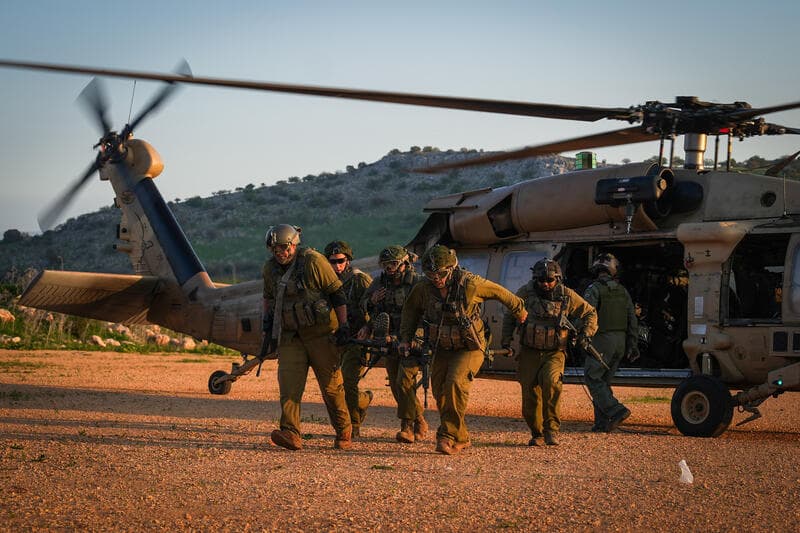
Israeli soldiers take part in a military drill simulate the evacuation of wounded soldiers with helicopters, in the Golan Heights, northern Israel, February 7, 2024. | Photo: Ayal Margolin/Flash90
Takeaways
Deaths among wounded IDF combatants fell from about 15% to 7.1% since 2006.
Advanced life support now reaches a casualty in one to four minutes.
Soldiers carry whole blood and freeze-dried plasma to the point of injury.
The U.S. Army recommends studying these practices in a 2026 report.
Jewish tradition teaches that saving one life saves an entire world.
In 2006, during the Second Lebanon War, about 15% of wounded Israeli combatants died. In the conflict since October 7, that figure dropped to 7.1%, according to IDF data reported by the U.S. Army and the press, even as injuries grew more severe. Israel built a system of speed, and the U.S. Army Medical Command took notice.
The Number That Caught the U.S. Army’s Attention
A 2026 U.S. Army Medical Command report, Israeli Defense Force Medical Lessons Learned, recommends studying and adopting these practices. Read that again. The most powerful military on earth is taking notes from a country roughly the size of New Jersey.
U.S. Army reporting also cites a decline from 15% to 6.5% over two decades. Precision helps here, so I’ll state it plainly: this is the case-fatality rate among wounded combatants, and it measures how many of the injured survive.
Medics Who Arrive in Minutes
In 2006, advanced life support took 15 to 20 minutes to reach the wounded. Today it takes roughly one to four. The IDF attaches advanced life support providers and physicians to forward companies, and they ride armored vehicles straight to the casualty.
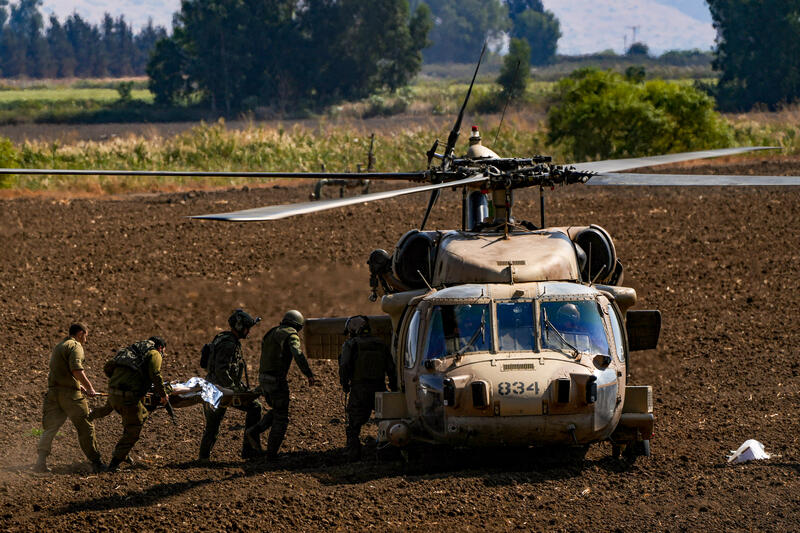
Average time from injury to hospital sits around 66 minutes, with helicopter evacuation averaging roughly 51 to 64 minutes in recent reporting. I find those numbers staggering. Every one of those minutes belongs to somebody’s son or daughter.
Blood at the Point of Injury
Massive bleeding is a leading preventable cause of battlefield death, so Israel brings the blood to the soldier. Forces carry whole blood and freeze-dried plasma in refrigerated backpacks and coolers, and even soldiers who aren’t medics can be trained to give it.
When roads were blocked, drones delivered refrigerated blood. A logistics problem got solved from the sky. The updated protocols also spot hemorrhagic shock early and favor rapid evacuation, which saves scarce field minutes for what keeps people alive.
Data That Moves Faster Than the Helicopter
An NFC and tablet-based system records a casualty’s condition at the point of injury and shares it across the whole chain of care. Commanders and Unit 669 watch status in real time, so blood, equipment, and the receiving hospital are ready before the soldier lands.
The IDF is also developing a smart automatic tourniquet and wearable sensors for pulse, blood pressure, and oxygen. That’s the Start-Up Nation instinct pointed at the oldest question in medicine: how do you keep a person alive until help arrives?
One Nation, One Trauma Network
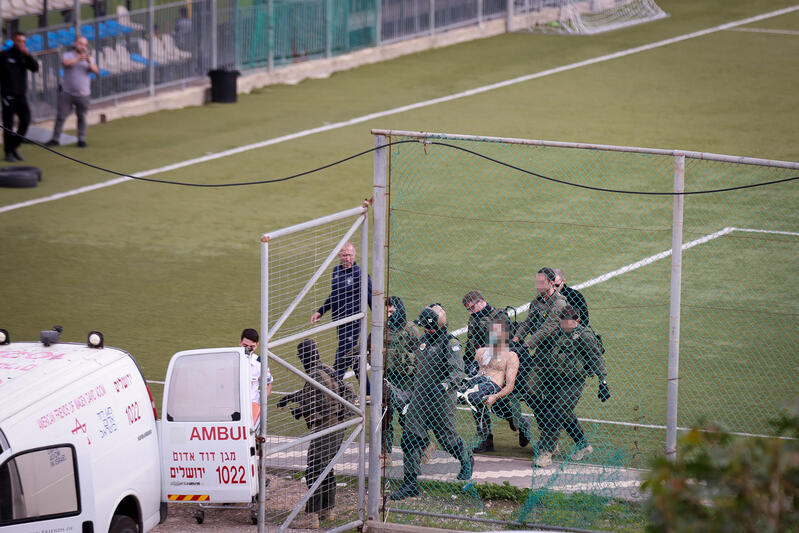
Israel has few military hospitals, so the IDF moves casualties quickly to civilian Level 1 trauma centers. Home Front Command coordinates beds, blood supply, and evacuation. Soldiers and civilians draw on the same national system.
Mental-health officers also deployed with frontline forces after October 7. Israeli sources reported lower-than-expected PTSD levels, a result worth framing with caution.
Pikuach Nefesh in Action
Jewish tradition teaches that whoever saves a single life saves an entire world (Talmud, Sanhedrin 37a). The principle is called pikuach nefesh, and Israel has built an army medical corps around it.
The lessons reach well beyond war. Drones, refrigerated blood transport, digital triage, and civil-military cooperation all apply to disaster response and mass-casualty preparedness anywhere.
Discussion0
No comments yet — be the first to share your thoughts.