When the Land Calls Again for Renewal, Young Israelis Return to Cultivate Israel’s North
In honor of the upcoming Jewish holiday of Tu BiShvat, the New Year for Trees, which takes place next week, the organization Hiburim B’Haklaut (Connections in Agriculture) is unveiling a new initiative in northern Israel. The project connects post-military service young adults with farmers and communities that have been severely impacted since the outbreak of

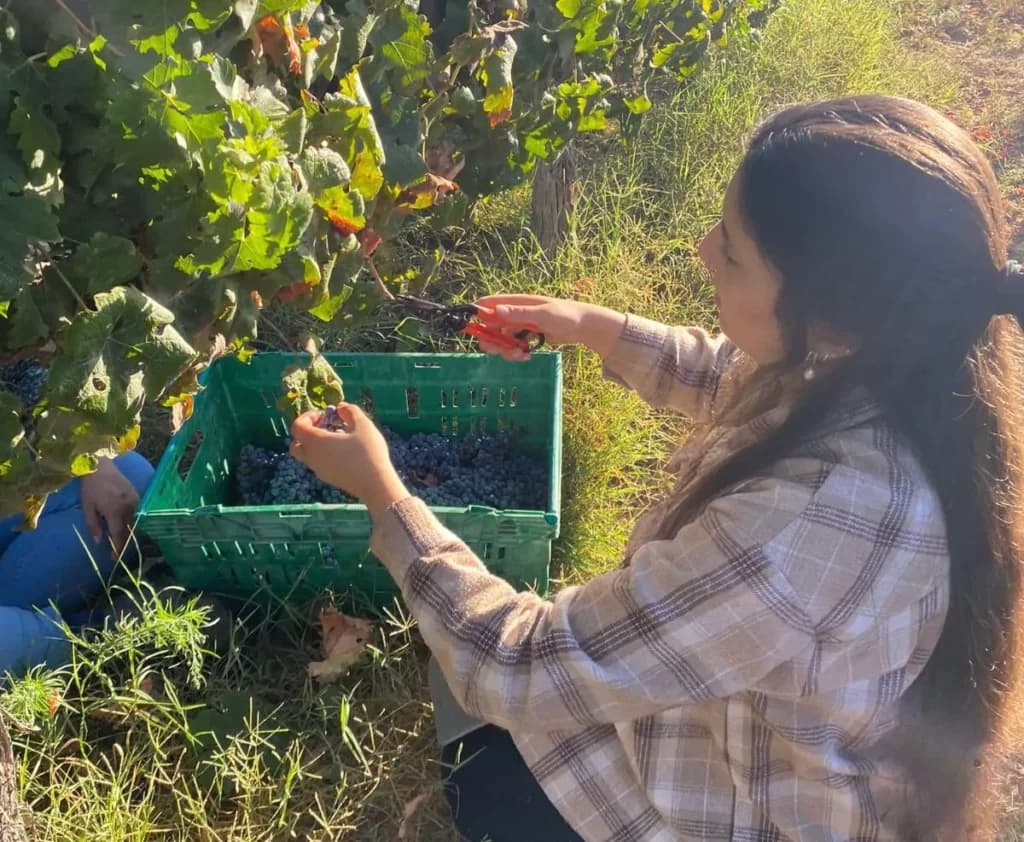
In honor of the upcoming Jewish holiday of Tu BiShvat, the New Year for Trees, which takes place next week, the organization Hiburim B’Haklaut (Connections in Agriculture) is unveiling a new initiative in northern Israel. The project connects post-military service young adults with farmers and communities that have been severely impacted since the outbreak of the Swords of Iron War.
Project “Tzafona”
Under the project, known as Tzafona (Northward), agricultural–community task groups of young adults in their early 20s relocate for approximately three months to border-adjacent communities – from the Golan Heights to the western Galilee. Participants work in fields and orchards; assist in rehabilitating damaged farms; and take part in social and community activities in the border towns and villages situated on the front lines of Israel’s security reality.
The first group was established in Kiryat Shmona, in memory of Sgt. Shay Ashram, of blessed memory, a lookout reconnaissance soldier who fell heroically in the battle for the Nahal Oz military post. She was only nineteen years old.
Today, task groups are operating at four different locations across the north, each serving as an agricultural and community anchor in its area.

“Working with Sky, Earth, and Sun”
One of the participants is Emunah Azulai, 19, from Migdal HaEmek, who completed a year of national service and joined a task group in the north. “I was looking for something that would give me room to breathe – something meaningful,” she says. “I didn’t immediately know what to study, and then this project appeared. Today I can say that I’m flourishing.”
Daily life includes physical labor in the fields and orchards, alongside communal living with other young women and daily interaction with the farmers themselves. “Working every day with sky, earth, and sun does something to the soul,” Emunah explains. “The work isn’t always easy, but there’s something strengthening about it. It’s a good kind of disconnect—one that brings you back to yourself.”
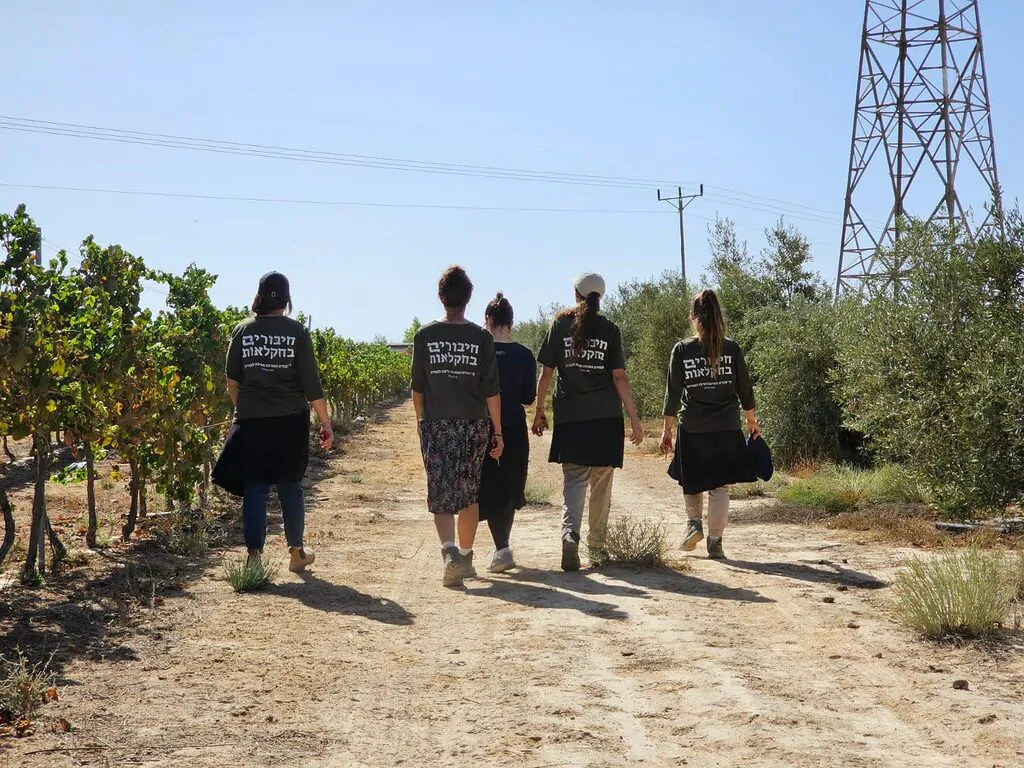
Emunah notes that the human encounter is one of the project’s most meaningful elements. “I met farmers and people who live very differently to me – sometimes with different opinions, sometimes with a completely different lifestyle. It was there of all places that I understood how working the land connects people and breaks down stereotypes,” she shares. “In the end, we all just want this place to be good.
“There are so many connections here – between us in the group, with the people in the communities, with the farmers, and with ourselves. When I look back, I’ll know this was a good period, one that taught me and helped me grow.”
A Project of Connection
Organizers emphasize that the Tzafona project continues to expand. Its goal is not only to rehabilitate damaged farmland, but also to sow seeds of resilience, partnership, and hope along Israel’s borders.
“This isn’t just an agricultural project – it’s a project of connection,” says Berachia (Barry) Rosenberg, CEO of the organization. “Connection to the land, to the farmers, to communities that were harmed, and above all, a renewed connection of young people to themselves and to the Zionist purpose. Tu BiShvat expresses the resilience within us, the ability to return to our roots and grow again.”
In many ways, Tzafona echoes an earlier chapter of Israel’s history. During the first great waves of Jewish return to the Land of Israel, young men and women left behind their familiar lives to work the soil of their ancestors – a land that had lain largely barren for generations. With bare hands and stubborn hope, they drained swamps, planted orchards, and restored life to the earth. More than a century later, a new generation is once again pressing pause on personal plans to reconnect with the land – this time not only to cultivate fields, but to strengthen communities, restore resilience, and affirm a living bond between people, soil, and promise.
“But you, mountains of Israel, will produce branches and fruit for my people Israel, for they will soon come home” (Ezekiel 36:8 NIV)
Discussion0
No comments yet — be the first to share your thoughts.