What Is Judea? The Historic Region Behind Israel’s Story
Judea is often heard in modern political debates, but its meaning begins much earlier as a historic region tied to Jewish geography, identity, and civilization


Historic Judea
Judea is one of the most misunderstood words in Israel’s story.
Today, the word is often heard in political debates. But long before modern headlines, Judea referred to a real historic region tied to the ancient Jewish people, the Kingdom of Judah, Jerusalem, and the landscape where much of Jewish civilization took shape.
Before it became a political argument, Judea was geography. It was a region of hills, cities, deserts, roads, ruins, and memory. It was not an invented slogan or a modern branding term. It was one of the historic names attached to the Jewish heartland.
Before the Headlines
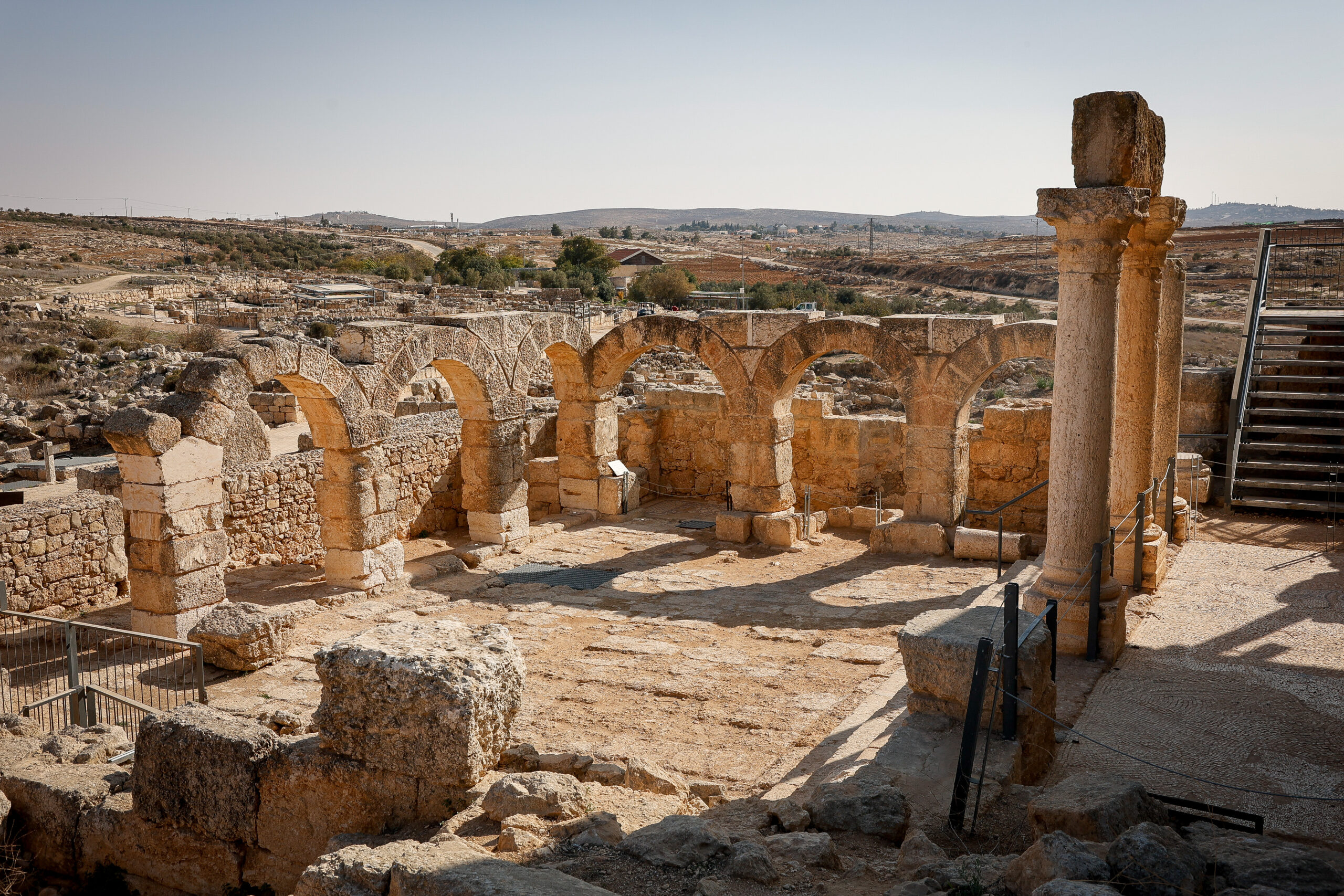
In modern news, “Judea” is most often heard in the phrase “Judea and Samaria,” the Israeli term for the area many international outlets refer to as the West Bank.
That political context matters, but it is not where the name began.
Judea is rooted in Judah: the tribe, the kingdom, and the historical identity from which the word “Jew” itself developed. The connection between Judea, Judah, and Jew is built into the language. These are not disconnected terms. They come from the same historical root.
That is why the word carries so much weight. For Jews, Judea is not just a disputed term from modern politics. It is part of the older map of Jewish civilization.
When Judea appears only through conflict, readers miss the deeper story. The name is older than the headlines, older than modern borders, and older than today’s diplomatic vocabulary.
In the Name
The name Judea reflects a chain of history.
Judah became a kingdom. Judah became known in Greek and Latin as Judaea. From Judah came the words Judean and Jew. That linguistic connection matters because it shows that Jewish identity was never detached from place.
The Jewish people are not named after an abstract idea. They are named after a people and a land connected to Judah and Judea.
That does not answer every modern political question. It does not settle every policy debate. But it does explain why the word cannot be treated as if it began yesterday.
Names That Still Echo
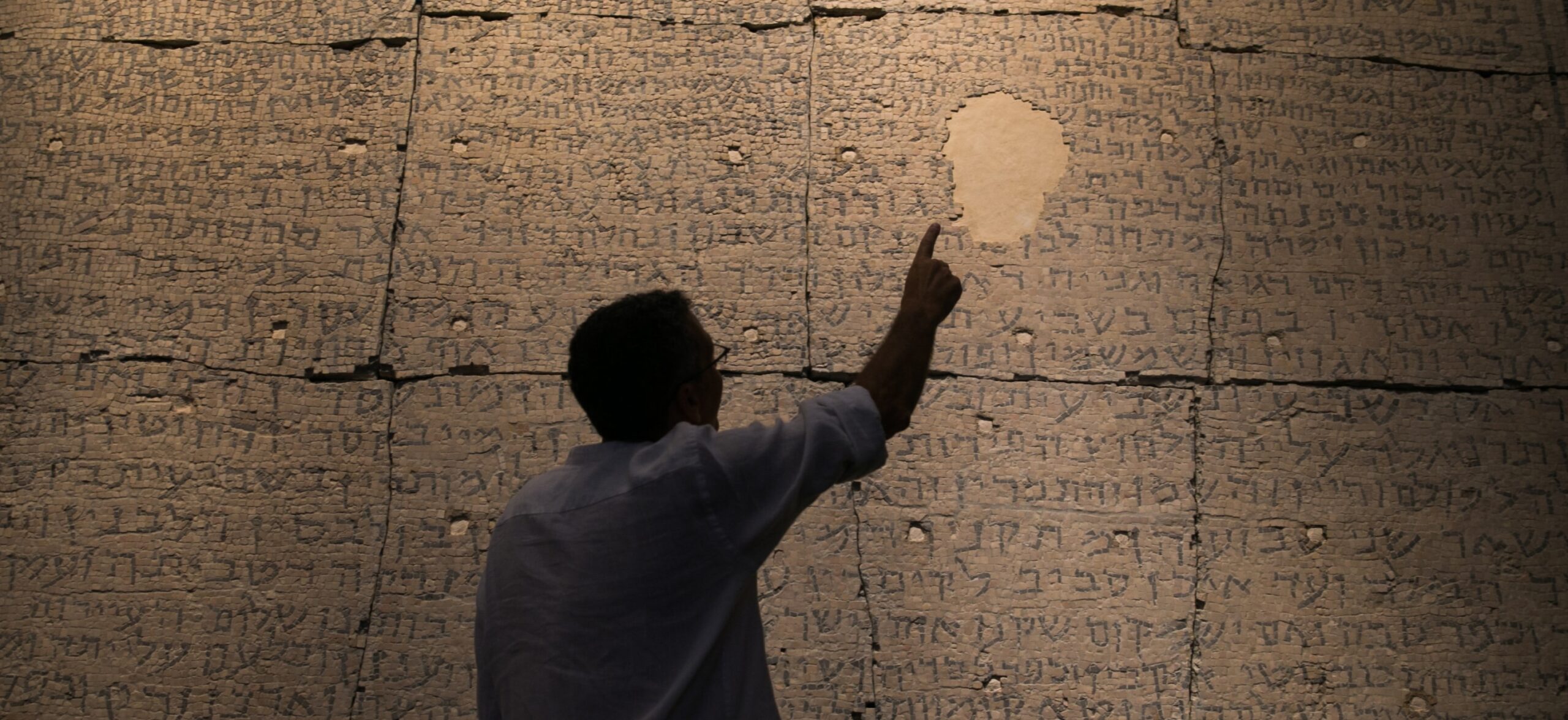
The connection is not only historical. In many cases, ancient Hebrew place names still echo in the Arabic names used today.
Some examples are especially clear. Yatta is widely connected with biblical Juttah. Anata preserves the sound of Anathoth, the biblical hometown of the prophet Jeremiah. Silwan reflects Shiloach, the area connected with the Pool of Siloam. Al-Jib preserves the ancient name Gibeon with remarkable continuity.
Other names carry the past through later historical layers. Nablus comes from the Roman name Neapolis, but it stands in the area of ancient Shechem. Sebastia preserves the memory of Samaria through Greek and Roman forms. Jenin is often connected to ancient Ein Ganim, through later forms such as Ginae. Lifta is commonly linked by scholars to Nephtoah, while Beit Hanina preserves the name of an ancient settlement.
These names matter because they show how deep the history runs. Even when languages changed, empires came and went, and communities shifted over time, many place names continued to carry traces of the older Hebrew landscape.
Real Places
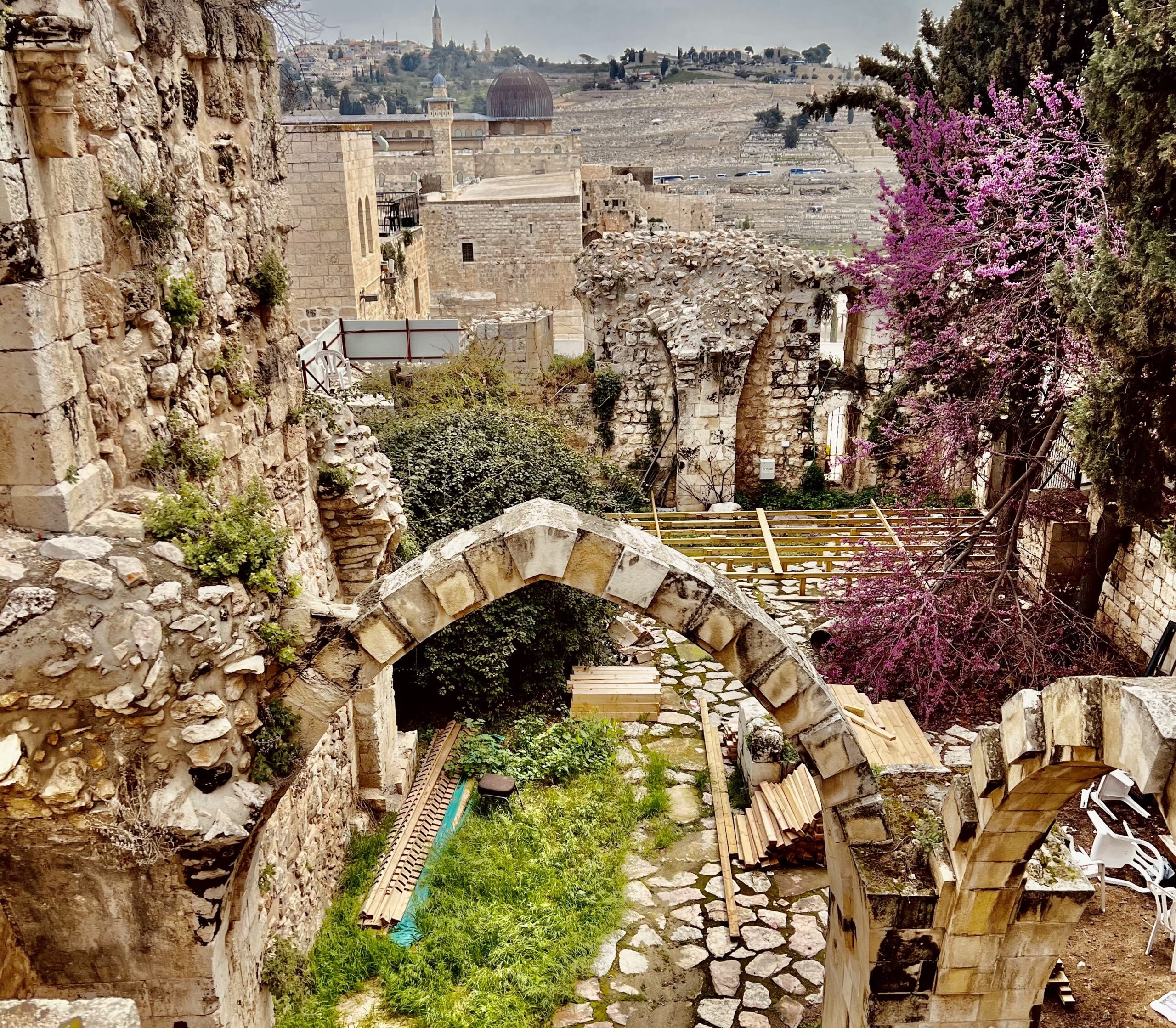
Historic Judea includes real places: Jerusalem, Hebron, the Judean Hills, and the Judean Desert.
Discussion0
No comments yet — be the first to share your thoughts.