
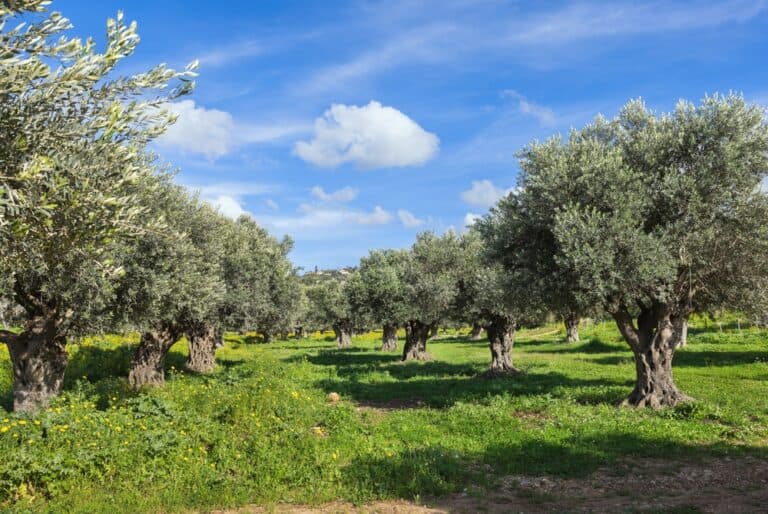

Olives trees in Israel. | Photo: shutterstock
The land of Israel is not only a place of rich historical and spiritual significance but also a land abundant with diverse and unique plant life. From the rugged hills of Judea to the fertile plains of the Galilee, the plants of Israel carry with them profound lessons that speak to the resilience, beauty, and spiritual depth of the land. As we look closer at the plants native to Israel, we can glean insights into faith, perseverance, and the deep connection between God’s creation and His promises to the People of Israel.
The Olive Tree: A Symbol of Endurance and Peace
One of the most iconic and enduring symbols of Israel is the olive tree. Its roots run deep into the soil, some trees are believed to be thousands of years old. The olive tree thrives in the rocky, arid soil of Israel, demonstrating a remarkable capacity to endure harsh conditions. Even in the driest of years, the olive tree continues to yield fruit. In many ways, the olive tree mirrors the resilience of the Jewish people throughout history. Just as the tree survives in challenging conditions, so too has the Jewish people, in spite of trials, adversity, and exile, remained steadfast.
“The Lord called your name, A green olive tree, lovely and of good fruit.” (Jeremiah 11:16). This verse highlights the olive tree as a symbol of Israel’s relationship with God. The olive tree, known for its strength, resilience, and long life, is a fitting representation of the covenantal bond between God and His people. The image of Israel as a “green olive tree” conveys vitality, divine care, and the hope of fruitfulness, despite the challenges the nation has faced throughout history.
The olive tree is also symbolic of peace, as its branches are often seen as symbols of reconciliation and harmony. The practice of olive cultivation and oil production in Israel goes back millennia and is deeply rooted in the culture of the land. Olive oil, used for anointing and as a light source, is a reminder of God’s provision and blessing. Just as the olive tree is central to the life of the land, so too is peace central to Israel’s identity and mission in the world.
The Fig Tree: A Lesson in Patience and Regrowth
The fig tree is another powerful symbol in Israel. Its leaves provide shade and its fruit is sweet, but it takes time to bear fruit. The fig tree requires patience, as it often only produces after years of growth. This lesson of patience is central to the story of Israel itself. The land of Israel has experienced many seasons—wars, exile, and hardship—but it is only in recent decades that Israel has begun to see the full restoration of the promises made to its people.
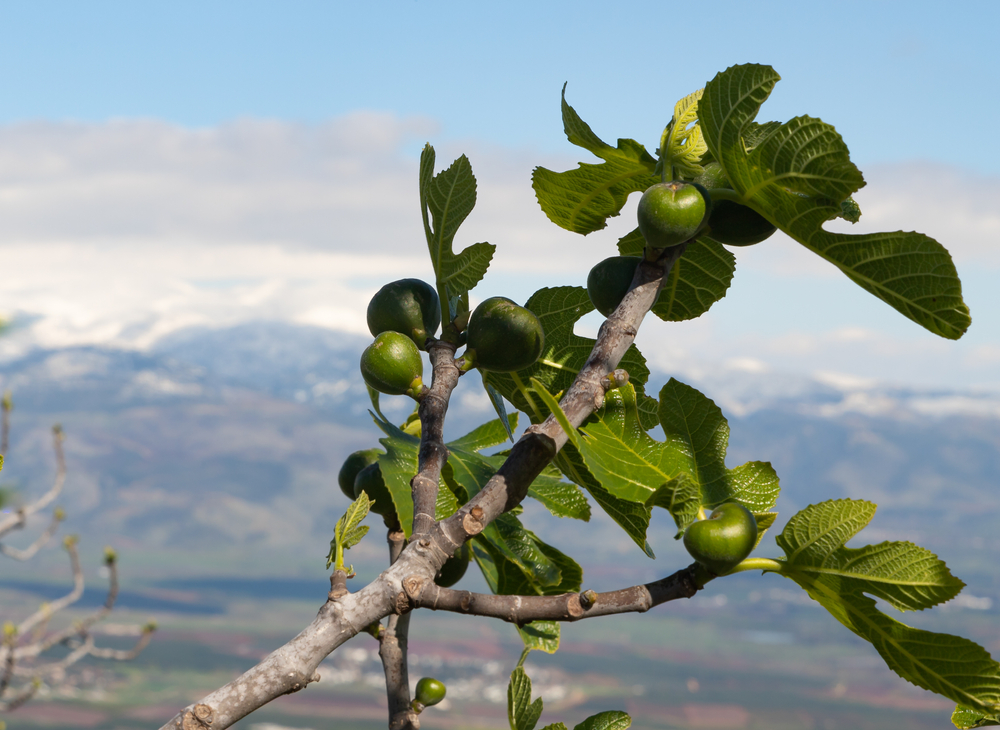
The fig tree is also symbolic of the prophetic restoration of Israel. In the book of Hosea, Israel is compared to a fig tree: “I will return them to their land… they shall blossom as the vine, their fragrance shall be like the wine of Lebanon” (Hosea 14:7). This image of the fig tree blossoming again echoes the rebirth of Israel as a modern nation. Just as the fig tree requires careful tending to bear fruit, Israel’s renewal and growth have come with both effort and divine blessing.
The Grapevine: Abundance and Unity
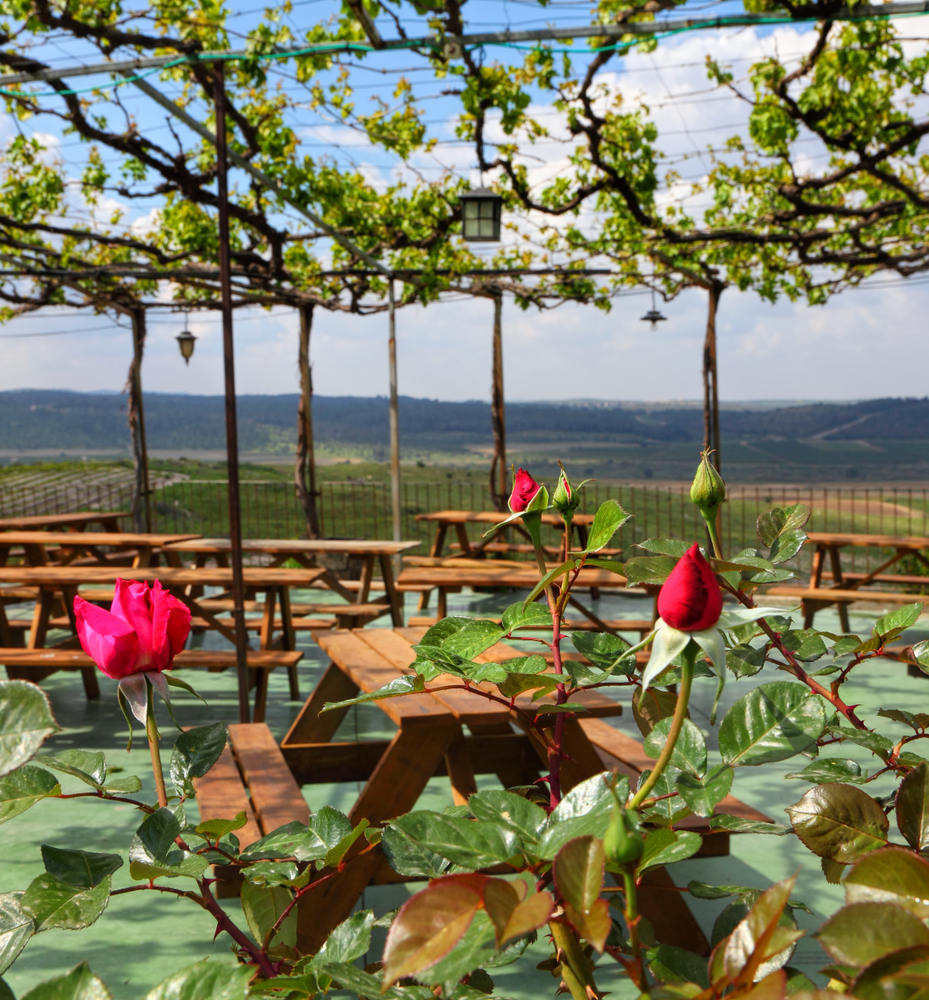
Another prominent plant in Israel is the grapevine, which grows abundantly in the country’s fertile valleys. Grapevines are often associated with abundance and prosperity, as the land of Israel is described in the Bible as a place “flowing with milk and honey,” where the fruits of the earth flourish. Grapes are used to produce wine, a staple in both biblical tradition and modern Israeli culture.
The grapevine is also a powerful metaphor for unity and community. Just as a vineyard thrives when the vines are properly tended and nourished, so too do communities thrive when they are united in purpose and care for one another. In the book of Isaiah, God describes Israel as a vineyard: “For the vineyard of the Lord of hosts is the house of Israel, and the men of Judah His pleasant plant” (Isaiah 5:7). The vineyard is a reminder that God’s people are called to work together in harmony, producing good fruit for the world.
The Desert Rose: Beauty in the Wilderness
While the desert may seem inhospitable, it is home to plants like the desert rose, which thrives in Israel’s arid regions. The desert rose teaches a profound lesson about finding beauty and strength in the most difficult of circumstances. Just as the desert rose blooms in the harsh desert environment, so too can people of faith bloom in the face of challenges. The desert is often used in Scripture as a place of testing and transformation, but also of renewal. In the book of Isaiah, God promises, “The wilderness and the dry land shall be glad; the desert shall rejoice and blossom like the crocus” (Isaiah 35:1).
The plants of Israel are more than just flora. They are symbolic reminders of God’s covenant with the land and His people. From the resilience of the olive tree to the restoration embodied in the fig tree, the abundance of the grapevine, and the beauty of the desert rose, these plants teach us lessons of endurance, patience, unity, and hope.
As we reflect on the land’s plant life, we are reminded of the deeper spiritual truths that connect God’s promises to His people, the land of Israel, and the world. The beauty and diversity of Israel’s plants testify to the ongoing fulfillment of those promises and the thriving of the land in God’s care.
Ruthie Jaffe Lieberman is a licensed tour guide with a political consulting firm on the side. Her passion is the Land of Israel and she’s completing a Masters in archaeology focused on the Israelite kingdom in the 8th century BCE. She can be reached at jaffestrategies@gmail.com.
Discussion0
No comments yet — be the first to share your thoughts.