Vessel Hit Near Oman After IRGC Threatens Hormuz Passage
A vessel was hit near Oman after IRGC warnings over Strait of Hormuz routes, raising new concerns over Iran, maritime security, and U.S.-Israel interests

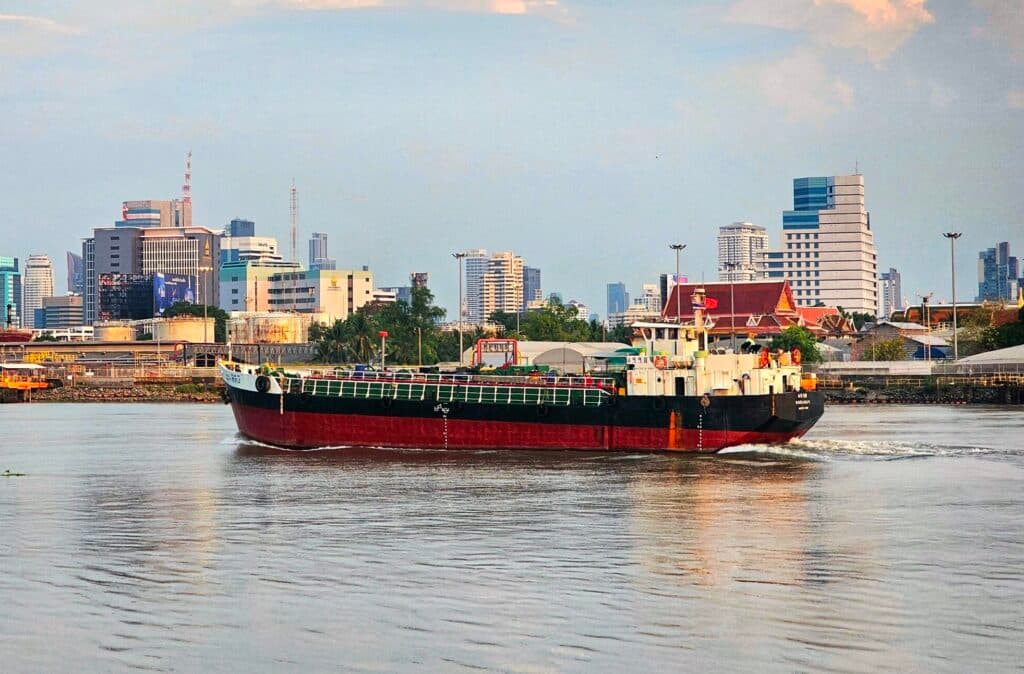
A Hormuz vessel strike near Oman is raising new concerns over freedom of navigation after a ship was hit close to the Strait of Hormuz.
According to maritime reports, the vessel was struck about 7.5 nautical miles southeast of Dahit, Oman. The ship reportedly suffered damage after being hit by an unknown projectile.
The incident came after Iran’s IRGC Navy warned ships not to use routes through the Strait of Hormuz unless Tehran approved them.
The Tanakh warns, “Woe unto them that call evil good, and good evil” (Isaiah 5:20). In the Strait of Hormuz, moral clarity matters. A regime cannot turn international passage into coercion and then call it security.
Hormuz Vessel Strike
Initial reports said the vessel tried to pass through the Strait of Hormuz on a route Iran had not approved. The reports also said the ship had not coordinated with Iran’s Persian Gulf Strait Authority.
According to those reports, the vessel ignored several verbal warnings before it was hit.
However, public maritime reporting identified the projectile as unknown. As of publication, no named Iranian official had publicly confirmed responsibility for the strike.
What has been confirmed is the IRGC Navy’s warning. Iran’s naval forces said vessels must use Tehran-approved routes and coordinate with Iranian authorities.
Rubio’s Warning On Iran

The strike follows growing tension over Iran’s attempt to control passage through one of the world’s most important waterways.
That point connects directly to Washington’s wider warning about Tehran. As covered earlier in “Marco Rubio: Iran Still Led By Extremist Clerics,” U.S. Secretary of State Marco Rubio said Iran remains led by extremist clerics, warned against Iran-backed proxies, and stressed that U.S. diplomacy will not endanger Israel or Gulf allies.
Rubio also said the United States would not accept any payment, fee, or tax for passage through the Strait of Hormuz.
For the United States, that is a question of free navigation and global commerce. For Israel, it is also part of the broader fight against Iranian coercion, proxy warfare, and regional intimidation.
A Covenant Against Tyranny
The United States and Israel share more than security interests. Both nations are rooted in a covenantal understanding before God: freedom carries responsibility, sovereignty requires moral courage, and nations must defend innocent life against tyranny.
That shared covenant does not make the region simple. However, it explains why both countries view Iran’s pressure campaign as more than a shipping dispute.
If Iran can threaten vessels, control routes, and pressure global trade, it gains another weapon against America, Israel, and their allies.
Ultimately, the strike near Oman shows why diplomacy with Tehran must be backed by strength. Free nations cannot allow an extremist regime to turn an international waterway into a tool of blackmail.
For more stories on Israel, faith, and the values behind the headlines, follow Sinai on Facebook and Instagram.
Discussion0
No comments yet — be the first to share your thoughts.