Trump Turkey Engine Deal Raises Security Concerns
The Trump administration is advancing a $700 million aircraft engine sale to Turkey, raising concerns over Ankara’s S-400 system, Israel policy, and NATO security

The Trump Turkey engine deal is moving forward after the administration notified Congress that it is advancing a sale worth more than $700 million.
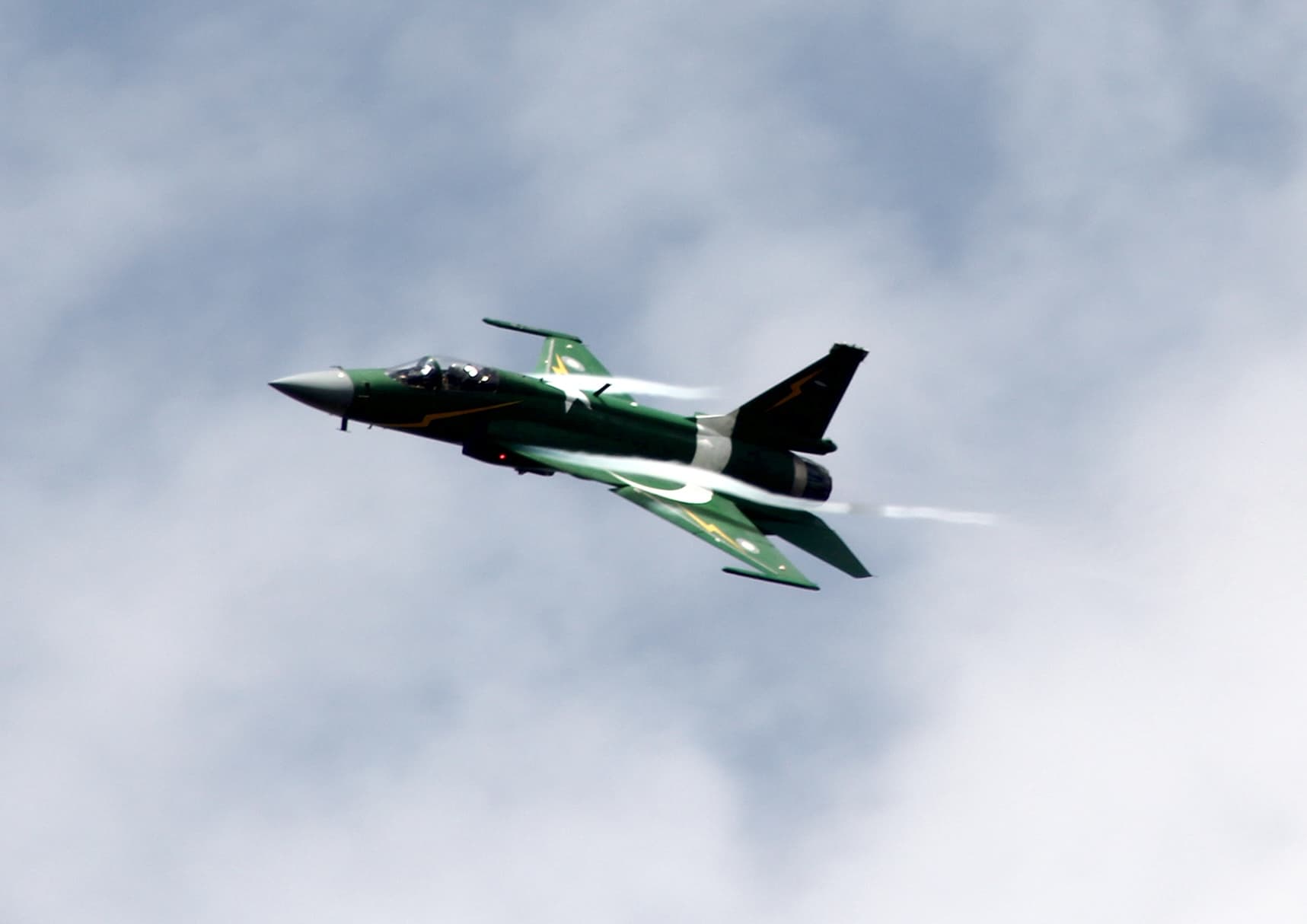
According to Reuters, the deal would sell General Electric aircraft engines to Turkey. The engines are intended for Ankara’s KAAN fighter program, Turkey’s first domestically developed combat aircraft.
The move signals American support for Ankara ahead of the NATO summit scheduled to take place next month in Turkey. However, the decision has raised concerns amongst a host of lawmakers because of Turkey’s unresolved defense disputes with Washington.
The Tanakh teaches, “The prudent man foresees the evil, and hides himself” (Proverbs 22:3). In national security, prudence is not weakness. It is the discipline to see risks before they become crises.
Trump Turkey Engine Deal
Several lawmakers oppose the engine sale. Some have also warned against any future sale of F-35 aircraft to Turkey.
Their concern is not theoretical. Turkey bought Russia’s S-400 air defense system in 2019. The United States later removed Ankara from the F-35 program because Washington said the Russian system created security risks.
Congress now has 15 days to submit a joint resolution of opposition to block the engine deal.
Why The Sale Raises Concerns

The Trump administration may view the sale as a way to keep Turkey anchored inside NATO. That goal is understandable. Turkey remains a major NATO member with strategic geography.
However, this deal could weaken American leverage before Ankara resolves core problems. Those problems include the S-400 issue, Turkey’s tense posture toward Israel, and its repeated use of NATO mechanisms against Israeli interests.
Turkey halted trade with Israel during the war. It has also blocked NATO-Israel cooperation over Gaza. Therefore, helping Ankara advance a major combat aircraft program could send the wrong message at the wrong time.
That concern also echoes Minister Amichai Chikli’s warning in “Chikli Warns: Syria And Turkey Are More Troubling Than Iran.” Chikli warned that Israel must direct resources beyond Iran, saying Syria and Turkey now pose a more troubling regional threat. In that context, a U.S. engine sale that strengthens Ankara’s combat aircraft program deserves serious scrutiny.
This is not to suggest that Washington should abandon NATO diplomacy with Turkey. However, it does mean American support should come with a clear set of strategic conditions, especially when Ankara’s recent posture has worked against Israeli security interests.
U.S. And Israeli Interests
For the United States, the risk is strategic. Washington should not reward a NATO ally before it proves that its defense posture aligns with NATO security.
For Israel, the concern is even sharper. A stronger Turkish defense industry under an increasingly hostile government could complicate the regional balance.
The United States and Israel share more than military interests. Both nations carry a covenantal understanding before God: freedom requires responsibility, power must defend innocent life, and alliances must stand against tyranny and terror.
That covenantal bond should shape hard choices. Respect for President Trump’s broader pro-Israel record does not require support for every tactical decision.
In this case, the engine sale appears to strengthen Ankara before Turkey has earned renewed trust. That is not in the best interest of the United States, Israel, or a stable NATO alliance.
For more stories on Israel, faith, and the values behind the headlines, follow Sinai on Facebook and Instagram.
Discussion0
No comments yet — be the first to share your thoughts.