Trump Claims He Will Lift Turkey Sanctions
Trump said he will lift sanctions on Turkey and consider an F-35 sale, raising new concerns for Israel, Greece, NATO, and U.S. security

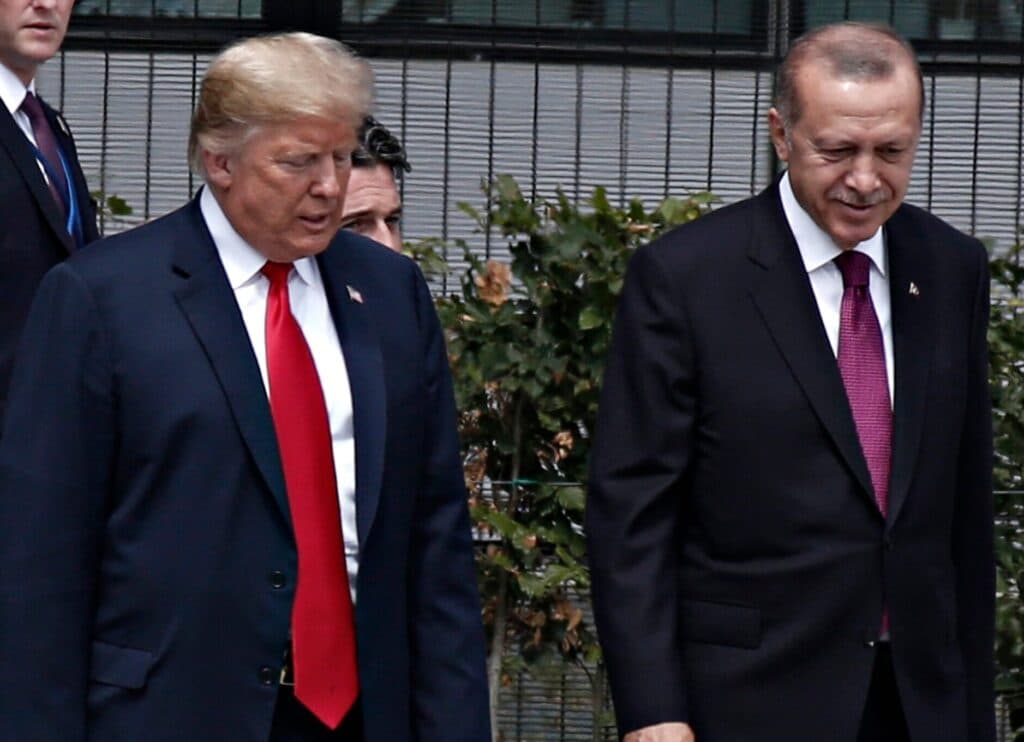
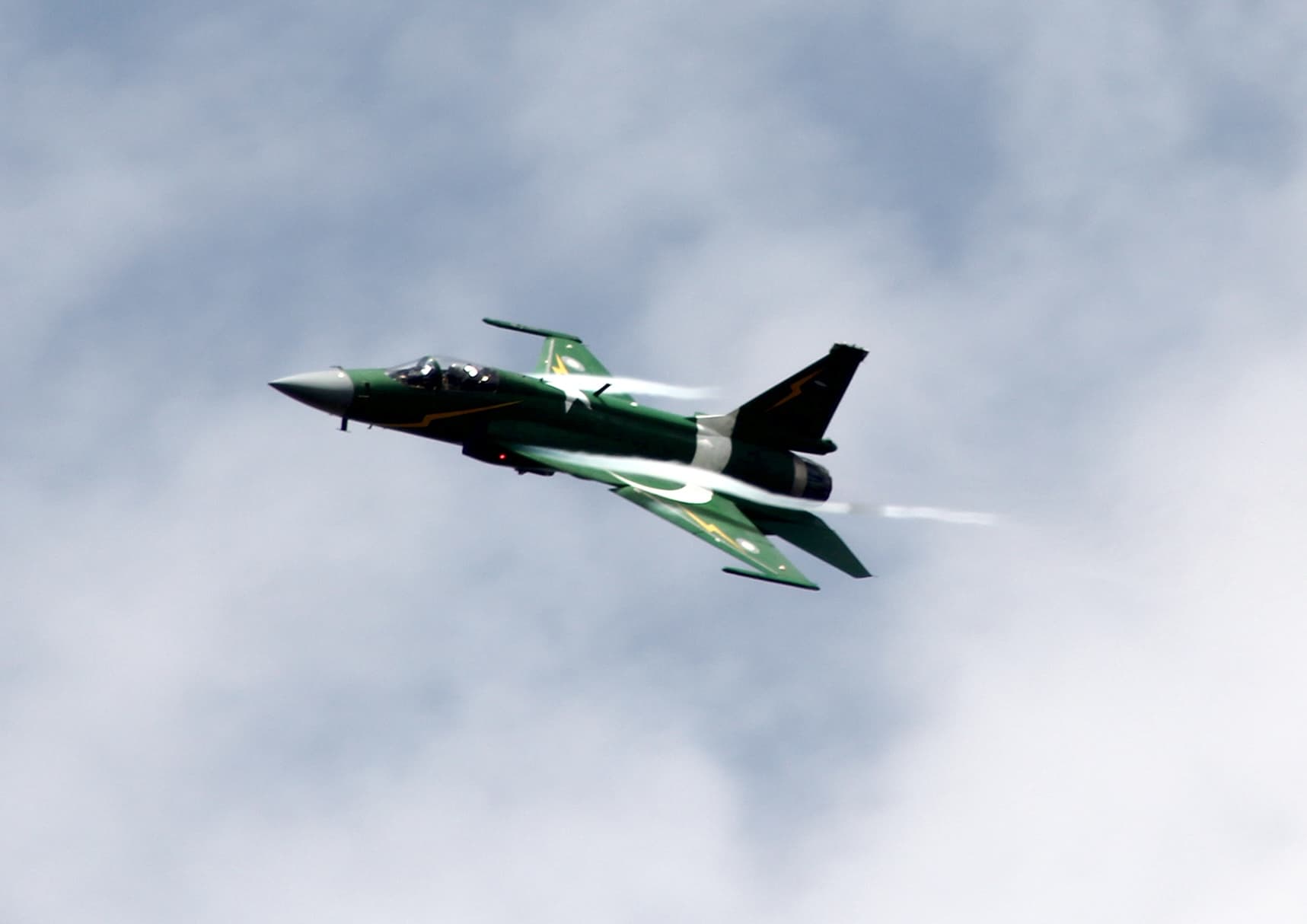
Turkey sanctions are set to be lifted, President Donald Trump said, opening the door to renewed debate over F-35 aircraft and fighter jet engines for Ankara.
Asked whether he would sell F-35 aircraft to Turkey, and what he would do about legal restrictions, Trump said a decision would be made.
“We will make a decision,” Trump said. “I think a lot of people, and I can say that many of the people sitting here, will ask: why shouldn’t we do it?”
Trump said the United States now has a better relationship with Turkey.
“In many ways Turkey has been more loyal to us than other countries we thought would be loyal,” he added. “It’s definitely something we will consider.”
The Tanakh says, “The prudent man sees danger and hides himself.” That warning matters when advanced American weapons could strengthen a government whose regional conduct worries Israel, Greece, and parts of Congress.
Turkey Sanctions And F-35 Debate
Trump also addressed the issue of fighter jet engines.
He said Turkey bought planes from the United States and argued that Washington has obligations after such sales.
“When you buy a plane from the United States, and if engine maintenance is required, I think we have an obligation to maintain the engines and help them with their maintenance,” Trump said.
Trump also said he will lift CAATSA sanctions from Turkey.
Those sanctions were imposed after Ankara purchased Russia’s S-400 air defense system. Turkey’s purchase led to its removal from the F-35 program and raised serious concern over the security of American military technology.
Lifting the sanctions could pave the way for future F-35 sales to Turkey. However, Congress can still pose an obstacle.
Impact For Israel And America
For the United States, the issue is not only whether Turkey is a NATO member.
The deeper question is whether Washington should reward Ankara while the S-400 problem remains unresolved and Turkey’s regional posture continues to alarm U.S. allies.
Turkey under President Recep Tayyip Erdoğan has repeatedly clashed with Israel, threatened Greece, worked with Russia in different arenas, and positioned itself as an unpredictable NATO partner.
That concern was central to “Trump NATO Turkey Visit Raises Israel Concerns.” Trump’s expected NATO summit visit to Turkey raised concerns over possible F-35 and engine deals that could affect U.S. interests, Israel, Greece, and NATO security.
The new comments make those concerns more urgent.
For Israel, the F-35 issue is especially sensitive. Israel’s qualitative military edge depends on maintaining decisive air superiority in a region filled with Iranian proxies, unstable governments, and hostile Islamist movements.
A sale to Turkey would not happen in isolation. It would strengthen a government that often pressures Israel diplomatically and could alter the Eastern Mediterranean balance.
For America, the risk is also strategic. If U.S. weapons strengthen leaders who undercut U.S. allies, American power becomes less coherent and less trusted.
A Shared Moral Calling
The United States and Israel share a direct interest in making sure American military strength protects allies, deters enemies, and preserves regional stability.
They also share a covenantal understanding before God.
America’s covenantal tradition is rooted in liberty under God, ordered justice, and the belief that power must serve moral purpose. Israel’s covenant is older and unique, rooted in God’s promise, Jewish peoplehood, Torah, and the return to the land of Israel.
Those covenants are not identical. However, they meet in a shared calling: defend freedom, protect allies, and refuse to place dangerous tools in unreliable hands.
In this story, that shared calling means asking hard questions before lifting sanctions. It means judging Turkey not only by diplomatic warmth, but by its conduct toward Israel, Greece, Russia, Iran, and NATO security.
For Israel, that duty includes preserving the military edge needed to defend Jewish life. For America, it includes ensuring that U.S. weapons strengthen trustworthy allies, not leaders whose loyalty remains contested.
Trump’s comments may reflect a desire to rebuild ties with Turkey. However, lifting sanctions and reopening the F-35 path would carry serious risks.
Congress should examine the move closely. Israel and America both need policy built on strategic clarity, not symbolic gifts or personal diplomacy.
For more stories on Israel, faith, and the values behind the headlines, follow Sinai on Facebook and Instagram.
Discussion0
No comments yet — be the first to share your thoughts.