The Miracle on Israel’s Northern Border: How Faith, Ingenuity, and Firepower Are Stopping Hezbollah

Magazine
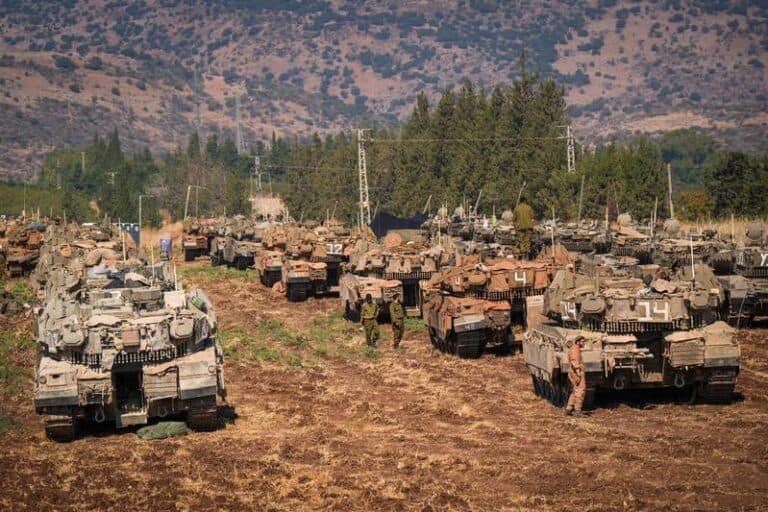
Israeli soldiers seen at a staging area near the Israeli border with Lebanon, September 27, 2024 | Photo: Ayal Margolin/Flash90
Takeaways
- Hezbollah has stockpiled tens of thousands of rockets aimed at northern Israel.
- One Israeli operation struck roughly 6,000 launchers before they could fire.
- Most Israelis still support the fight to push the threat back.
- The Galilee being defended today is the same land described in ancient texts.
- Quiet skies over northern Israel are not an accident.
Rockets fall on the Galilee almost daily now. Most never make headlines. Most never make a dent in daily life there, either, and that fact alone tells a story worth slowing down for.
Who Is Hezbollah, and What Does Israel Face
Hezbollah calls itself a resistance movement. Strip away the branding and what’s left is an Iran-funded militia that’s held an entire country hostage for decades.
It built a private army stronger than the Lebanese state’s own, then used that power to block reforms, paralyze governments, and drag Lebanon into wars its own citizens never voted for.
Its weapons sit in apartment buildings, schoolyards, and hospital basements, not because there’s nowhere else to put them, but because civilian shields make airstrikes harder and outrage easier to manufacture.
It has fired rockets at sleeping towns, sent explosive drones hunting soldiers, and trained a unit, Radwan, built specifically to cross into Israel and kill. None of this serves Lebanon. Hezbollah’s loyalty runs to Tehran, not Beirut, and the Lebanese people pay the price every time their leaders try to disarm a militia answering to a foreign government instead of their own.
The Drone War Nobody Expected: May and June 2026
In May and June, the sky over southern Lebanon became its own kind of battlefield. Hezbollah’s drone campaign intensified, and monitoring groups tracking the conflict found that most of its strikes weren’t aimed at Israeli cities at all. They were aimed at IDF soldiers stationed just across the border, the same soldiers standing between Hezbollah and the towns of the Galilee.
Explosive drones accounted for most Israeli military deaths since the ceasefire framework began. In early May, drone strikes wounded soldiers during operations in southern Lebanon. By June, multiple drones had hit armored vehicles and evacuation teams, leaving several troops seriously wounded.
The pattern is hard to miss. One side sends unmanned aircraft to hunt soldiers while sheltering behind civilian areas. The other keeps innovating in air defense, precision strikes, and battlefield medicine, just to bring its sons and daughters home.
That’s the fight on the northern border right now, and it’s why standing with Israel’s right to defend its own soldiers isn’t a side issue. It’s the whole point.
An Old Bond Shapes a New Battle
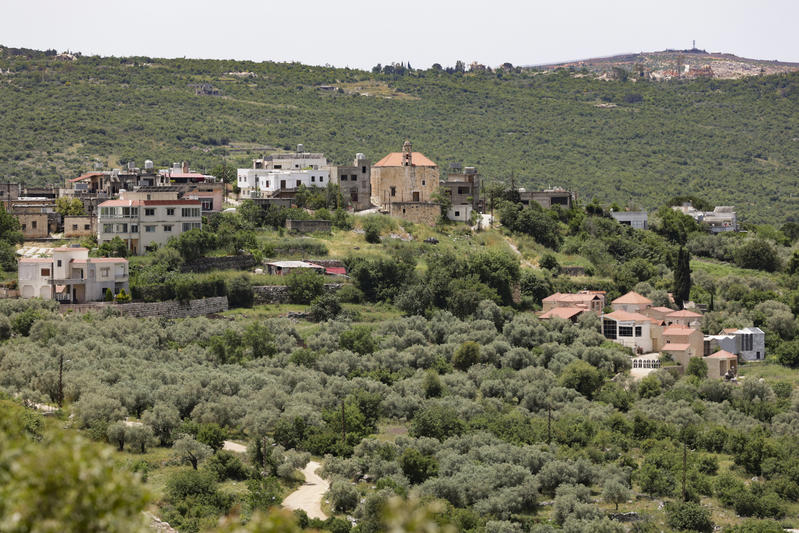
The Galilee isn’t just a military zone. It’s the same stretch of land where shepherds once watched flocks under threat from raiding armies, where small forces faced down larger ones and walked away standing.
Defending civilians there carries weight that goes beyond strategy. Israeli leaders frame the goal plainly: not endless war, but a border where weapons belong to a state, not to a proxy militia taking orders from Tehran.
Ingenuity on the Northern Front
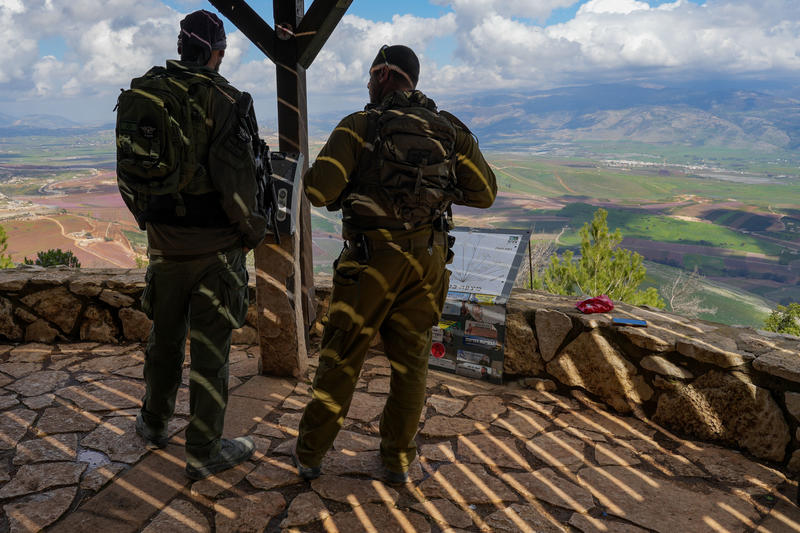
Israel’s response hasn’t relied on force alone. The military built reserve battalions specifically to defend Galilee communities, positioned as a first line before any ground incursion. Intelligence work let Israel strike thousands of rocket launchers and storage sites before they could be used, cutting deeply into Hezbollah’s ability to launch a coordinated barrage.
Analysts tracking the campaign describe Hezbollah’s arsenal and leadership as significantly weakened, even as scattered fire continues.
None of this happened by accident. It took years of preparation aimed at one specific outcome: protecting people who live within rocket range of a sworn enemy.
📖Read this article to learn about the so-called “ceasefire” between Israel and Lebanon as of June, 2026.
Firepower in a Dangerous Neighborhood
Hezbollah’s threat runs two tracks: rockets from a distance and the Radwan unit trained for cross-border raids.
Israel matches both with air, ground, and intelligence capability built to hit launchers and infiltration cells before they reach Israeli soil. In one preemptive operation, Israel reportedly struck around 6,000 Hezbollah launchers in southern Lebanon.
Security analysts now describe the balance of power as favoring Israel, with Hezbollah’s stockpiles eroding by the month. The firepower exists to stop a second October 7 on the northern border, not to occupy Lebanon.
The Part That Looks Like More Than Strategy
Here’s what doesn’t fit neatly into a military briefing. A group with tens of thousands of rockets has spent months trying to overwhelm Israeli air defenses and northern towns. But casualties have stayed far lower than the sheer volume of fire would predict.
Ancient Biblical wars with Israel describe small, outnumbered Jewish forces standing against armies many times their size and walking away intact.
Whether or not anyone calls it that out loud, the pattern on the ground right now looks familiar to anyone who’s read those Biblical stories.
Why This Matters Beyond Israel’s Borders
For people who pray for Jerusalem’s peace, this front carries a clear stake: every Hezbollah rocket stopped is a life protected, and every weakened launcher is one less threat to the next generation in the Galilee.
The outcome here isn’t abstract. It decides whether terror fire gets rewarded with more territory and time, or finally gets pushed back for good.
That’s worth watching closely, and praying over specifically: safety for the soldiers and communities standing in the line of fire, clear judgment for the leaders making impossible calls, and the steady dismantling of a network that’s held the region hostage for decades.
Want to keep reading? Click here to learn about the huge cache of Hezbollah weapons found in Southern Lebanon. Explore more on faith, values, and the Land of Israel at Sinai Project.
Discussion0
No comments yet — be the first to share your thoughts.