Trump Moves To End Syria Terror Designation
Trump moved to remove Syria from the U.S. State Sponsor of Terrorism list, creating new diplomatic possibilities while raising serious security questions for Israel and America

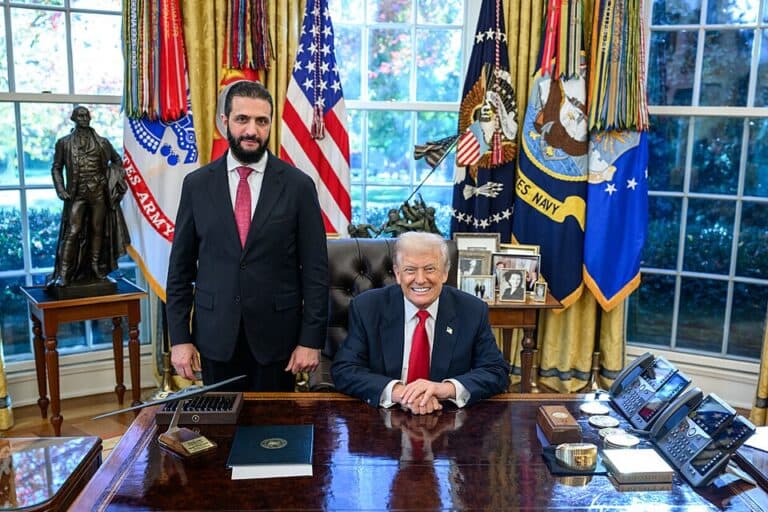
Syria terror designation policy shifted sharply after President Donald Trump moved to remove Syria from the U.S. list of State Sponsors of Terrorism.
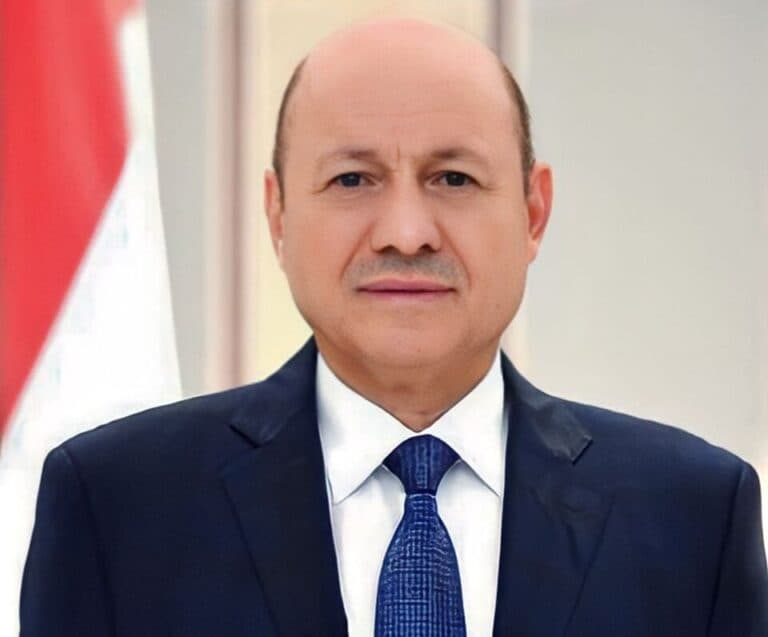
The president of Syria and his foreign minister are returning from Turkey with Trump’s signature on the change, according to the report.
If finalized, Syria would no longer carry the designation for the first time since 1979.
The Tanakh says, “The simple believes every word, but the prudent considers his steps.” That warning fits this moment. Policy can change quickly, but Israel must judge the new Syria by conduct, not ceremony.
Syria Terror Designation Shift
The decision marks a major turn in American policy toward Damascus.
For Washington, the move could open the door to reconstruction, investment, diplomatic normalization, and a broader regional realignment.
However, the change also raises hard security questions.
The United States now faces a test: can it reward a new Syrian direction without ignoring the threats still embedded in Syria’s territory, borders, and alliances?
For Israel, the answer requires caution.
Israel wants a weaker Iranian axis, less Hezbollah freedom, and a stable northern front. A Syria that breaks from Iran and restrains terror forces could serve Israeli and American interests.
But Israel cannot assume that outcome.
Syria remains a critical arena between Iran, Turkey, Hezbollah, jihadist networks, and hostile regional actors. Therefore, Jerusalem will likely judge the move through one lens: does it make Israel safer?
Why Israel Remains Cautious

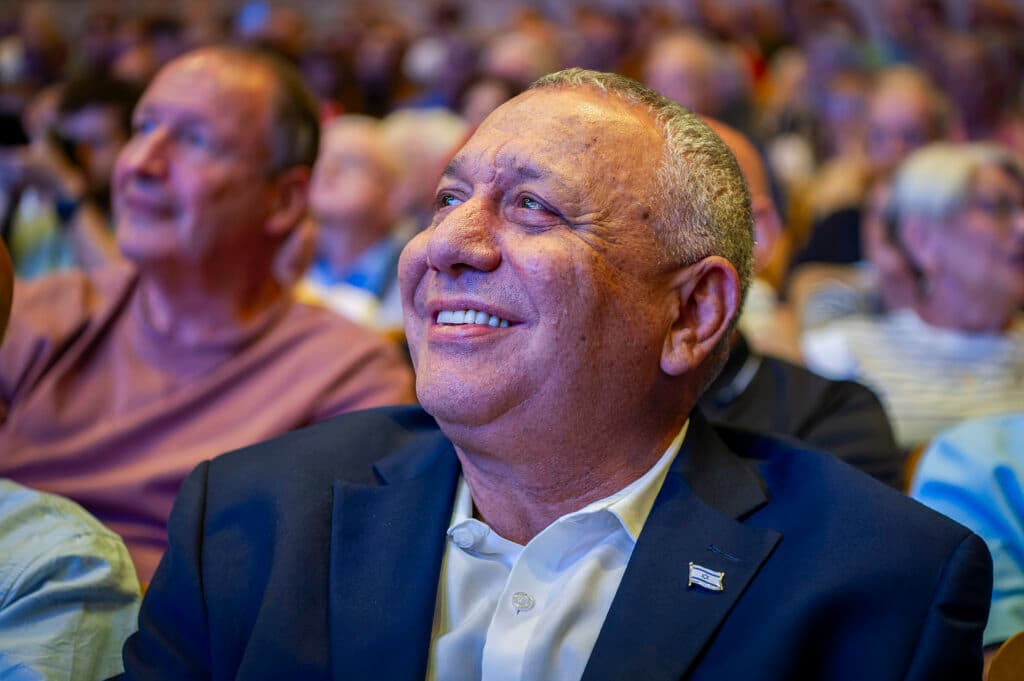
That concern also runs through “Chikli Warns: Syria And Turkey Are More Troubling Than Iran.” Minister Amichai Chikli warned that Israel must direct resources beyond Iran, saying Syria and Turkey are a more troubling regional threat.
That warning matters now.
Trump’s move comes after talks in Turkey, while Ankara continues to expand its regional role. For Israel, Syria’s future cannot become a Turkish-backed threat on Israel’s border.
If the new Syria truly cuts ties with terror forces, blocks Iranian activity, restrains Hezbollah, and prevents jihadist consolidation, the policy shift could help reshape the region.
However, if the change gives Damascus legitimacy without accountability, it could create new risks.
For America, the stakes are also clear. A successful Syria policy could weaken Iran, reduce Russian influence, and open a new diplomatic track.
At the same time, a rushed move could damage U.S. credibility if Syria later enables terror activity or threatens American partners.
A Shared Moral Calling
The United States and Israel both benefit when hostile regimes lose power and new regional openings emerge.
But both nations also understand that peace requires truth, not illusion.
The United States and Israel share a covenantal understanding before God.
America’s covenantal tradition rests on liberty under God, ordered justice, and moral responsibility. Israel’s covenant is older and unique. It rests on God’s promise, Jewish peoplehood, Torah, and the return to the land of Israel.
Those covenants are not identical. However, they meet in a shared calling: defend life, resist tyranny, and demand moral clarity from those who seek legitimacy.
In this story, that shared calling means giving diplomacy a chance without abandoning vigilance.
For America, that means attaching real conditions to Syria’s reintegration. For Israel, it means preserving military freedom and watching Syria’s border, alliances, and terror networks closely.
Trump’s decision may open a new chapter. However, Israel’s attitude will depend on results. Syria must prove that it no longer sponsors, shelters, or enables terror against Israel, America, or their allies.
For more stories on Israel, faith, and the values behind the headlines, follow Sinai on Facebook and Instagram.
Discussion0
No comments yet — be the first to share your thoughts.