Strait Of Hormuz Shipping Begins To Return
Shipping through the Strait of Hormuz is rising again under the U.S.-Iran ceasefire, but mines, dark voyages, and IRGC threats still leave major risks for America and Israel

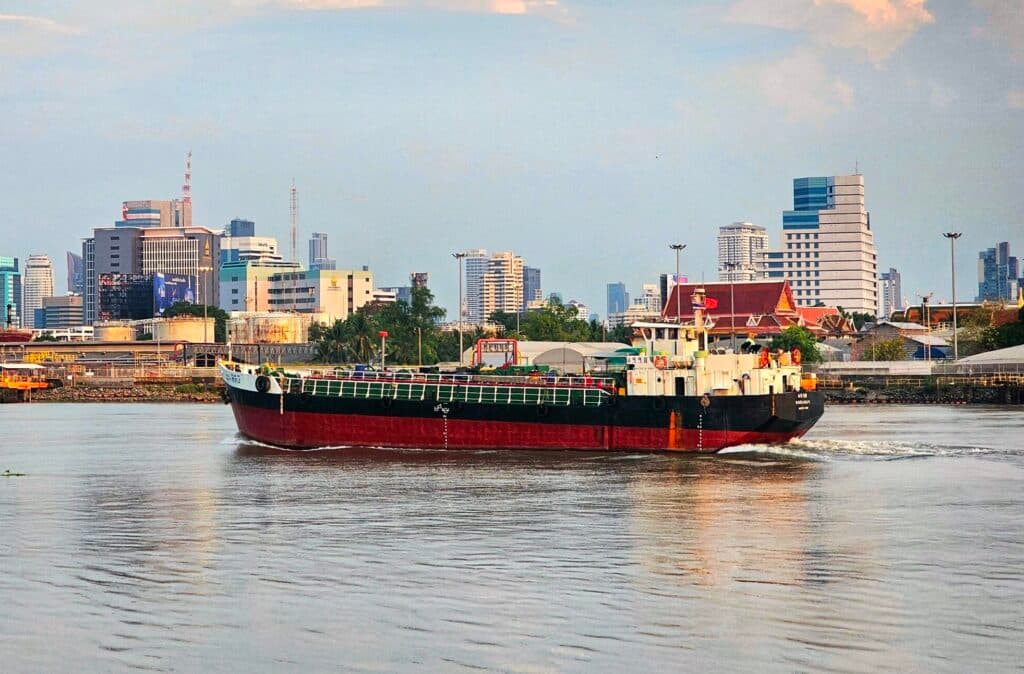
Strait of Hormuz shipping appears to be slowly returning after weeks of severe disruption during the U.S.-Israeli war with Iran.
According to maritime data cited in the report, traffic through the strait has surged more than fourfold over the past week.
During much of the war, only one or two vessels per day were willing to enter or leave the Gulf. By July 1, that figure had climbed to eight, according to the Signal platform.
That remains far below prewar traffic. However, it suggests the shipping industry has begun testing whether the fragile U.S.-Iran 60-day ceasefire can hold.
The Tanakh says, “Those who go down to the sea in ships, who do business on great waters, they have seen the works of the Lord.” In Hormuz, the sea is not only commerce. It is strategy, energy, security, and the test of whether deterrence still works.
Strait Of Hormuz Shipping Returns
German shipping and container transportation company Hapag-Lloyd confirmed that four of its vessels previously trapped inside the Gulf successfully exited, according to WorldCargo News.
Two Maersk vessels also cleared the strait last week.
At the same time, the return is limited and cautious. “Dark voyages,” when ships deliberately switch off GPS transmitters to avoid tracking, have risen sharply, according to Lloyd’s List Intelligence.
Total transits, including those dark voyages, reached 258 in the week ending June 28. That compares with just 41 in the first week of the crisis in March.
This does not mean Hormuz is secure. It means shippers are testing the route under pressure.
Iran, Mines And Maritime Risk
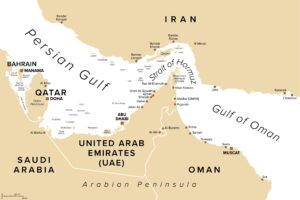
The waterway remains far from normal.
According to the International Maritime Organization estimate cited in maritime reporting, roughly 80 mines still need to be cleared before normal navigation can resume.
Until then, vessels face difficult choices. Some use a corridor influenced by Iran’s Islamic Revolutionary Guard Corps. Others take a southern passage closer to Oman’s coastline.
That risk is not theoretical. It also appeared in “Vessel Hit Near Oman After IRGC Threatens Hormuz Passage.” A vessel was hit near Oman after IRGC warnings over Strait of Hormuz routes, raising new concerns over Iran, maritime security, and U.S.-Israel interests.
Most recent traffic has consisted of oil tankers carrying cargo loaded before the war. More than 60 were Iranian-flagged, benefiting from a U.S. sanctions waiver that allowed exports of oil already loaded.
Meanwhile, exports from other Gulf producers are recovering. UAE, Qatari, and Saudi energy flows have begun moving again through the region.
Shipping costs also show the shift. Spot charter rates, which briefly soared to about $500,000 per day in late June, have fallen to around $294,000 as more vessels re-enter the route.
Insurance premiums have also dropped, falling from roughly 7% of a ship’s value at the height of the crisis to about 2%.
Why This Matters For America And Israel
For the United States, Hormuz is a global economic and military test. If Iran can threaten the strait, it can pressure energy markets, intimidate shipping firms, and test American deterrence.
For Israel, Hormuz is part of the same Iranian threat system that includes Hezbollah, Hamas, Islamic Jihad, and the Houthis. Iran uses missiles, mines, proxy forces, and maritime pressure to make the free world pay for confronting it.
The United States and Israel also share a covenantal understanding before God. Both nations, at their best, see liberty as a moral calling, not only a political system.
In this story, that shared calling means defending free passage, protecting innocent commerce, and refusing to let a terror regime hold the world’s energy routes hostage.
For Israel, that duty includes confronting the Iranian regime before it can surround the Jewish state with fire. For America, it includes keeping sea lanes open, defending allies, and ensuring that global trade does not depend on the permission of the IRGC.
The Strait of Hormuz shipping increase is therefore good news, but only partly. It shows that deterrence may be returning. It also shows how fragile the route remains while Iranian mines, dark voyages, and war-risk calculations still shape every crossing.
For more stories on Israel, faith, and the values behind the headlines, follow Sinai on Facebook and Instagram.
Discussion0
No comments yet — be the first to share your thoughts.