Shabbat Part 5: Singing on Shabbat is Linked to the Songs of Moses, Miriam, Hannah and Deborah

Rabbi Avi Baumol
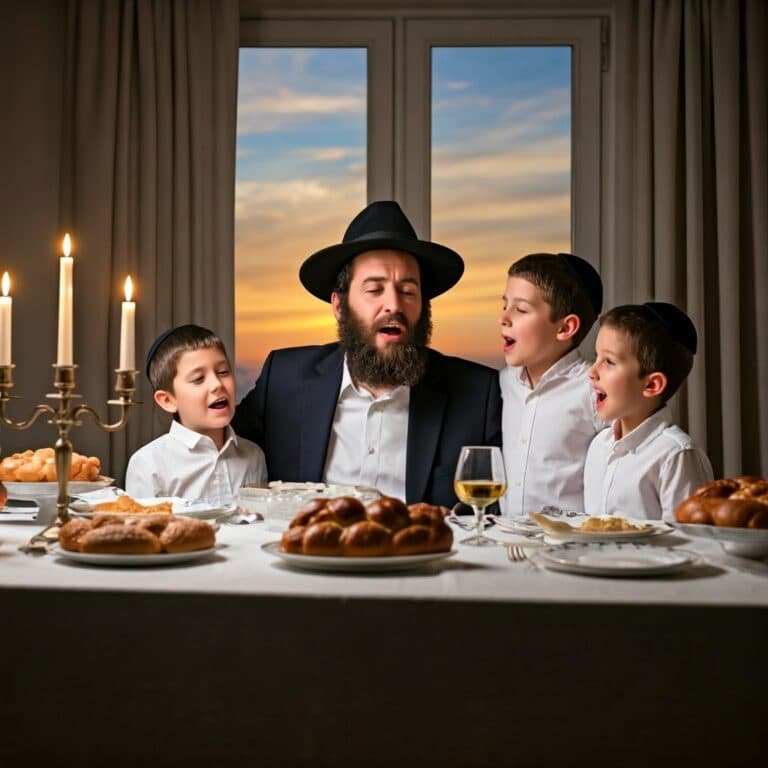
Illustration of a Jewish father and sons singing Shabbat zemirot. AI image. | Photo: Shutterstock
Zemirot: Shabbat Songs
A distinctive feature of Shabbat meals is the singing of Hebrew songs about Shabbat’s holiness, known as zemirot. These songs, some dating back over a thousand years, are compiled in booklets found in Jewish homes worldwide. The tradition of singing zemirot transforms the Shabbat table into a place of joy, spirituality, and communal bonding.
The tradition of zemirot follows biblical figures like Moses, Miriam, Hannah, and Deborah, who sang to God in times of joy and sorrow. King David, known as “the pleasant singer of Israel,” used song to connect with God, as evidenced in the Psalms. This rich musical heritage continues through the zemirot, connecting modern Jews with their ancestors and with each other.
Songs serve multiple purposes: they lift spirits, connect communities, relax or excite, inspire and comfort. Jews have been singing the same Shabbat songs for millennia, creating a powerful link across time and space. When families and communities join in these familiar melodies, they participate in a tradition that spans generations and continents.
Hasidim introduced the concept of niggun – a wordless melody – that allows the soul to soar beyond the constraints of lyrics. These tunes, often repetitive and deeply emotional, provide a unique way to express spiritual longing and joy without the limitation of words. Niggunim have become an integral part of the zemirot tradition, allowing for personal interpretation and deep, wordless connection with the divine.
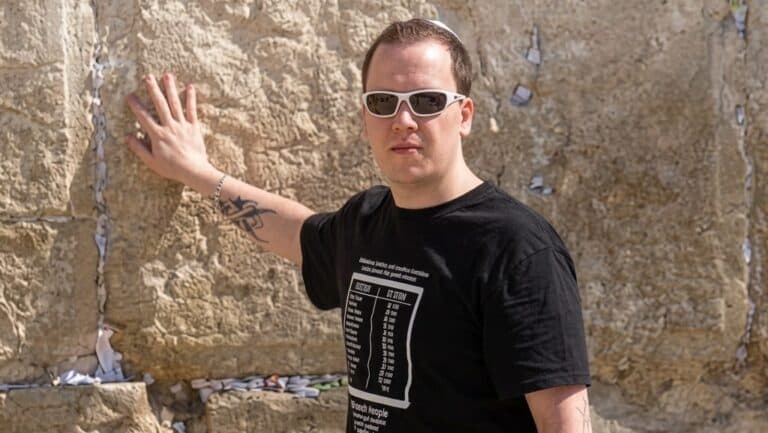
Watch Noam Buskila and other Israeli reservists and singing Shabbat zemirot even before Shabbat:
Zemirot transform a meal into a ‘seudah‘ (a feast). They remind us of Shabbat’s laws and spirit, and the joy of gathering together. The content of zemirot varies widely. Some songs praise God and express gratitude for the gift of Shabbat. Others recount biblical stories or expound on Jewish values. Many zemirot also have an educational component, teaching aspects of Jewish law and tradition through memorable melodies and lyrics.
Each meal of Shabbat has its own set of traditional songs. Friday night zemirot often focus on welcoming the Shabbat and the joy of its arrival. Daytime songs might celebrate the restfulness of the day or recount the Exodus story. The third meal, Seudah Shlishit, often features more contemplative songs as Shabbat draws to a close.The melodies of zemirot also vary greatly, reflecting the diverse Jewish communities around the world. Ashkenazi, Sephardi, Mizrahi, and other Jewish traditions all have their unique tunes for these songs, though there is often crossover and sharing of melodies between communities.
Singing at the Shabbat Table is a Form of Prayer
Singing zemirot is not just a passive activity but an active form of worship and celebration. It encourages participation from all present, regardless of age or musical ability. This inclusive nature of zemirot singing helps to create a warm, welcoming atmosphere at the Shabbat table, fostering a sense of belonging and shared tradition.
Through zemirot, we elevate our Shabbat experience, connecting with tradition, community, and the divine in a joyous, musical celebration. These songs serve as a reminder of the special nature of Shabbat, helping to create an atmosphere distinct from the everyday and infusing the meals with spiritual significance. As families and communities continue to sing these age-old melodies, they keep alive a beautiful tradition that has sustained and united the Jewish people for generations.
Shabbat during the Iron Swords War:
Discussion0
No comments yet — be the first to share your thoughts.