
Secrets of the Jewish Calendar Part 6: Does ‘Pesach’ Really Mean ‘Passover’?

Rabbi Avi Baumol
Passover table setting. | Shutterstock
The Hebrew word Pesach, commonly translated as ‘Passover,’ refers to the biblical event in which God spared the Israelites during the plague of the firstborn in Egypt. This interpretation stems from Exodus 12:13 and 12:23, where God “passed over” homes marked with blood on their doorposts, sparing them from destruction.
This translation has been upheld for centuries by prominent biblical translations such as the King James Version (1611) and Jewish Publication Society (1917), aligning with the medieval Jewish Rabbi named Rashi who comments that “pasach” means skipping or passing over.
Is God Really Passing Over?
However, this straightforward translation encounters challenges. For instance, if God is actively protecting the homes from harm, how does ‘passing over’ align with His presence at the door? Additionally, the term ‘Pesach’ is used earlier in Exodus 12 to describe the sacrificial offering before any mention of ‘passing over.’ This raises questions about whether a single definition can encompass all uses of the term.
Rashi addresses this by connecting the name of the Passover sacrifice (Korban Pesach) to God’s subsequent act of passing over. Yet this explanation still leaves room for deeper exploration of what “Pesach” truly signifies.
A Broader Interpretation: Straddling Choices
In attempting to understand the essence of the name of the holiday, let us find the word Pesach beyond its appearance in Exodus. In 1 Kings 18:21, Elijah confronts the Israelites at Mount Carmel, rebuking them for their indecision between worshiping God and Baal. He asks, “How long will you straddle two positions?” Here, the Hebrew root פסח (PSCH) means “to straddle” or “stand between,” emphasizing indecisiveness and the need to choose a side.
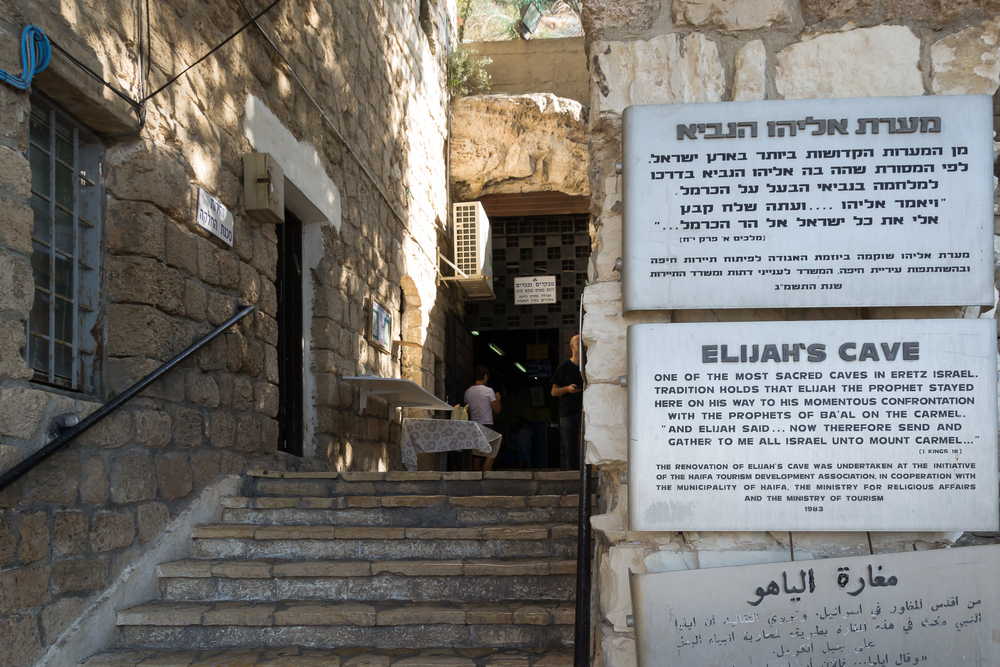
Applying this interpretation to Pesach transforms its meaning. On the eve of their liberation, the Israelites faced a critical decision: whether to identify with God and Moses or remain loyal to Egyptian norms. By sacrificing the lamb—a sacred animal in Egyptian culture—they made a bold declaration of faith and allegiance to their ancestral God. This act was not merely ritualistic but symbolized their willingness to ‘get off the fence’ and commit fully to their identity as Hebrews.
Thus, Pesach becomes a dual concept: it refers both to the Israelites’ decisive act of faith (the Korban Pesach) and God’s reciprocal act of protection (pasach). Their courage in choosing a side was met with divine mercy and safeguarding—a profound interplay between human action and divine response.
The Courage of Identity
The story of Pesach highlights a transformative moment for the Israelites. After centuries of slavery under Pharaoh’s oppressive rule, they were not only physically bound but also mentally subdued, stripped of dignity and voice. Moses’s arrival marked a turning point; his leadership inspired them to cry out for freedom and reclaim their identity as a distinct people.
The commandment to offer the Korban Pesach was pivotal in this process. By taking an animal revered by Egyptians and using its blood as a sign on their homes, they publicly rejected Egyptian authority and declared their loyalty to God. This act required immense courage from an assimilated population living under constant threat.
God’s response mirrored their bravery. As they chose Him through their sacrifice, He chose them by sparing their homes during the plague. This mutual commitment laid the foundation for their liberation and transformation into a nation.
Pesach as an Eternal Lesson
Pesach is not merely a historical event but an ongoing call for all in every generation to reaffirm their identity and faith. The ancient Israelites’ act of courage serves as a model for standing firm in one’s beliefs despite external pressures or risks.
In contemporary times, this challenge might manifest differently—perhaps through unwavering support for Israel or commitment to Jewish sovereignty in Jerusalem. Just as the Israelites faced existential decisions in Egypt, modern Jews are often called upon to defend their values and heritage against adversity.
Universal Themes in Pesach
While Pesach is deeply rooted in Jewish tradition, its themes resonate universally:
1.Choosing Identity: The story underscores the importance of making decisive choices about one’s beliefs and values. Whether religious or secular, individuals often face moments where they must clarify who they are and what they stand for.
2.Courage Amid Oppression: The Israelites’ bravery in defying Pharaoh reflects humanity’s capacity to resist tyranny and reclaim dignity—even under dire circumstances.
3.Faith and Reciprocity: The interplay between human action and divine response in Pesach illustrates how commitment can lead to protection or blessings—a concept found across many spiritual traditions.
4.Celebrating Liberation: At its core, Pesach is about freedom—physical, mental, and spiritual—and serves as a reminder that liberation often begins with internal transformation before external change can occur.
Pesach Today
The annual commemoration of Pesach involves retelling these stories during the Seder meal, eating symbolic foods like matzah (unleavened bread), and reflecting on themes of freedom and justice. Matzah itself embodies duality: it represents both the haste of liberation (no time for dough to rise) and simplicity (rejecting lavishness). These rituals connect participants not only to historical events but also to broader questions about identity, resilience, and faith.

Discussion0
No comments yet — be the first to share your thoughts.