Secrets of the Jewish Calendar Part 5: Intermediary Days of Passover and Sukkot

Rabbi Avi Baumol
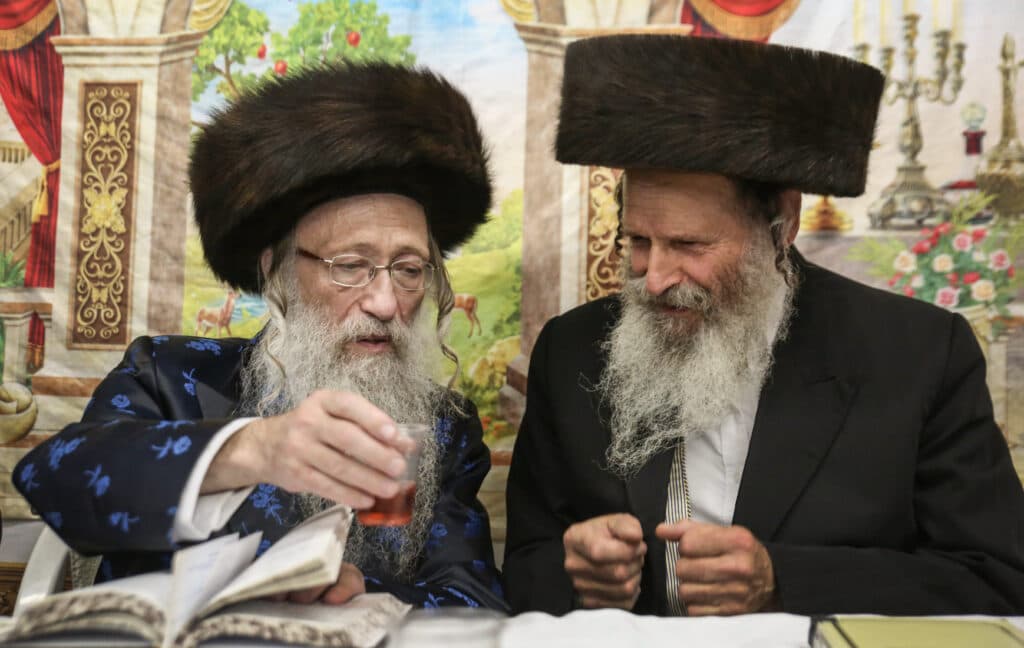
Ultra Orthodox Rebbe celebrating on Chol HaMoed Sukkot in Tzfat, in the Galilee. | Photo by David Cohen/Flash90
The Feast of the Tabernacles (Sukkot) and Passover (Pesach) are two major Jewish holidays, each lasting seven days. This duration reflects the natural cycle of a week—six days of work followed by a seventh day of rest, known as the Sabbath (Shabbat). In Jewish tradition, this weekly cycle serves as a model for human activity: engaging in work and creativity while also setting aside time to acknowledge God as the ultimate Creator.
The Significance of the Number 7
Following this pattern, these holidays also last seven days to reinforce the idea of a complete and meaningful cycle of celebration. The significance of the number seven appears in other aspects of Jewish life as well, such as the seven days of wedding celebrations and the seven-day mourning period after a loved one’s passing.
Although both Passover and Sukkot last seven days, their observances differ. On Passover, which commemorates the Israelites’ liberation from slavery in Egypt, the first and seventh days are considered especially sacred, with restrictions on work. On Sukkot, a holiday that celebrates both the fall harvest and God’s protection of the Israelites in the wilderness, only the first day is designated as a holy day. The seventh day, known as Hoshana Rabbah, holds a special significance in Jewish tradition, marked by unique prayers in synagogues.
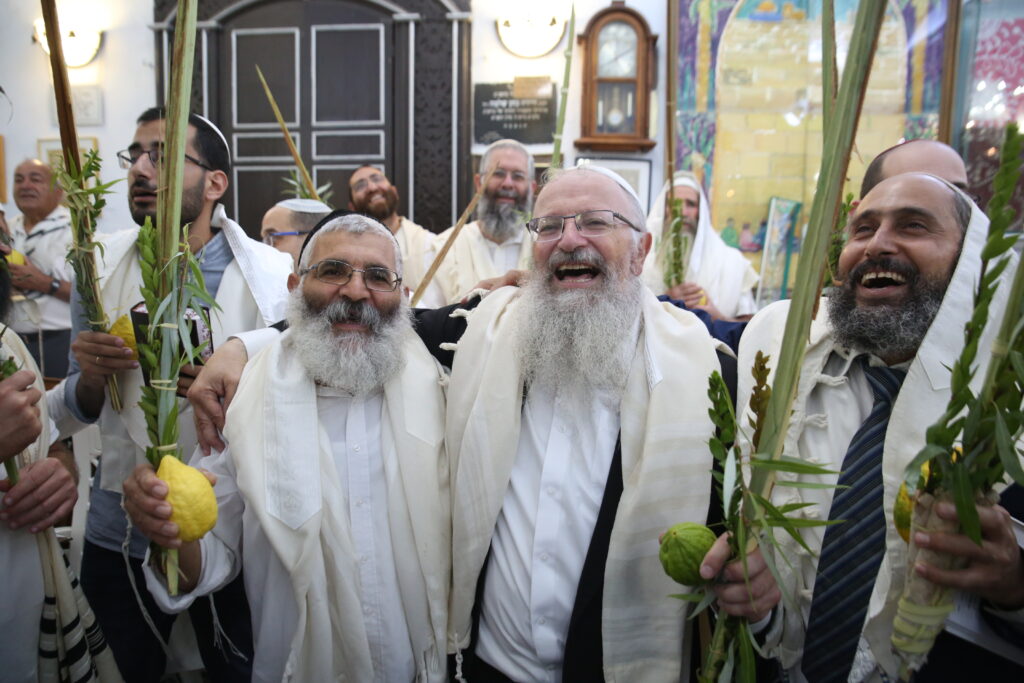
Chol HaMoed – The Intermediary Days – Blending Sacred and Ordinary
The days between the start and end of these holidays are called Chol HaMoed—a time that blends the sacred and the ordinary. Jewish law provides guidelines for maintaining the holiday’s special nature while allowing for essential work. During these days, observant Jews engage in activities that enhance the holiday experience—such as festive meals, special prayers, and family outings—while postponing major work projects that could distract from the holiday’s spirit.
Concerts are popular on Chol HaMoed like this one:
Watch this powerful prayer early one more moning on Chol HaMoed Pesach in Hebron:
Shemini Atzeret – 8th Day of Assembly
Sukkot also includes an additional day known as Shemini Atzeret, meaning “the eighth day of assembly.” According to Jewish tradition, this day represents an intimate moment between God and the Jewish people, as if God is reluctant to part from them after the festival. In Israel, Shemini Atzeret coincides with Simchat Torah, a joyous celebration marking the completion and renewal of the annual cycle of Torah reading in synagogues around the world.
While Simchat Torah is generally one of the most joyous festivals of the Jewish year, it has been marred by the events of October 7th 2023, with the tragic attack on Israel by Hamas. The State of Israel and Jewish People around the world will struggle for many years to find a way to restore their joy and festivity on a day which has such memories associated with it.
We hope and pray for peace and safety for all our soldiers, citizens and the world.

Discussion0
No comments yet — be the first to share your thoughts.