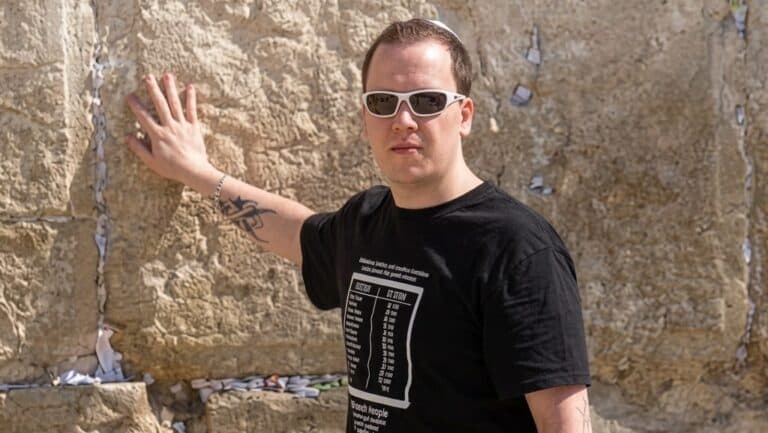
Secrets of the Jewish Calendar Part 4: God’s Blessings on Sukkot
Join us for a deep dive into the Feast of the Tabernacles.

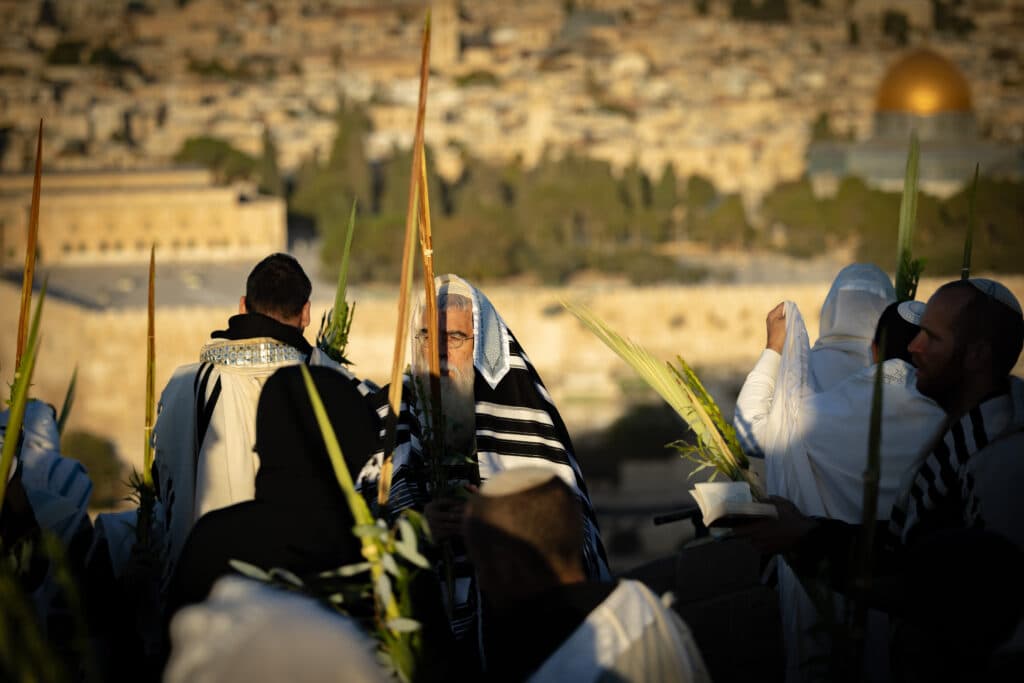
The Holiday of Sukkot
The Feast of Tabernacles, also known as Sukkot (booths), is a biblical holiday celebrated for seven days, beginning on the 15th day of the Hebrew month of Tishrei. According to Leviticus 23, it commemorates the Israelites’ 40 years of wandering in the wilderness after leaving Egypt and highlights God’s provision and protection during that time. It is one of the three major pilgrimage festivals in Judaism, alongside Passover and Shavuot.
Some major aspects of the holiday include:
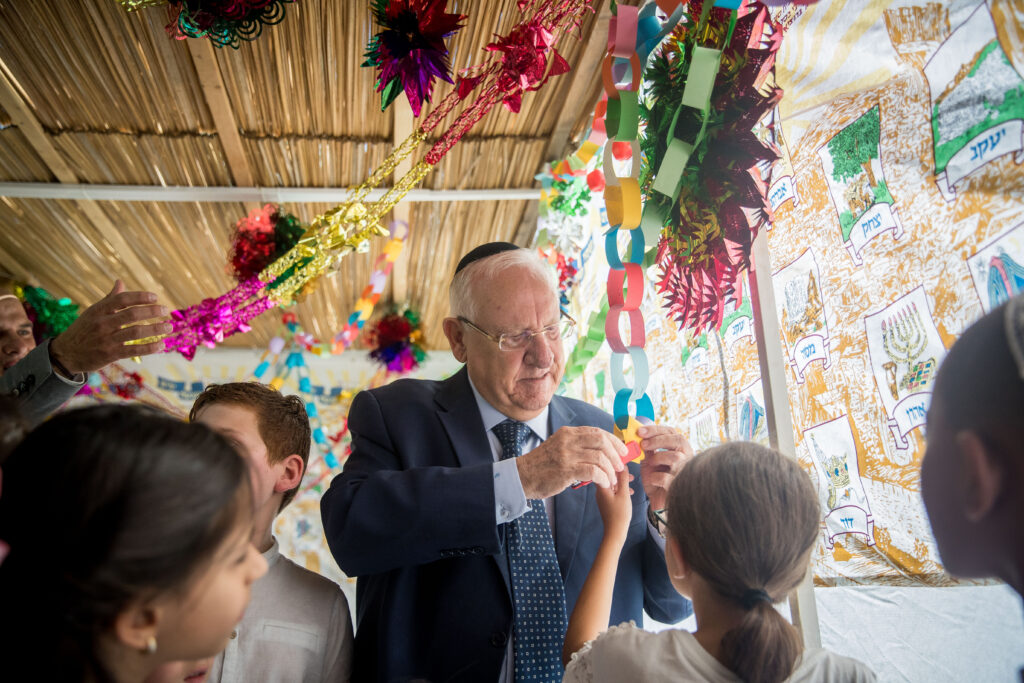
• Dwelling in Sukkas: Temporary shelters with roofs made of branches are built to recall the booths the Israelites lived in during their journey through the desert.
• Joyful Celebration: Sukkot is marked by rejoicing, reflecting gratitude for God’s blessings and the harvest season.
• Rituals: The waving of the lulav (palm branch) and etrog (citron) is a central practice, symbolizing unity and thanksgiving.
• Sacrifices: In ancient times, 70 bulls were sacrificed during Sukkot, representing prayers for all nations.
The mitzvah, biblical commandment, of the sukka (temporary dwelling) is detailed by Jewish tradition: at least three walls (from any material) are built up from the ground and the top of the sukka must be covered with ‘schach’ which means branches, wooden beams, or any other type of vegetation which was cut from the ground. The schach needs to be placed as the roof of the sukka such that the majority of the sukka is covered from the sun by the schach. A sukka may not be placed under a tree, or a concrete roof, one has to be able to see the clouds at night, through the holes in the schach.
Living Under God’s Protection
One idea is that a person who invests so much in their permanent home and their fixed and assured existence must take one week to exist in nature, in a temporary dwelling, to remember about the fragility of life and one’s ultimate reliance upon God.
Arba’at HaMinim – the 4 Species
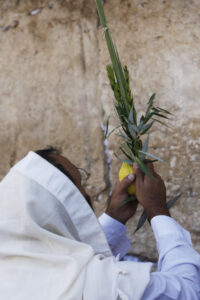
In addition to the mitzvah to build and sit in the sukka, one is required to shake four species that come from the earth on this holiday—lulav (a palm branch), etrog (a citron), hadasim (myrtle branches) and aravot (willow branches). Each different species represents another aspect of nature that we are commanded to rejoice with during this festival.
Harvest in the Land of Israel
The Torah acknowledges holidays that have an historical motif as well as ones which have an agricultural motif. When the Israelites settled in the land of Israel, they were an agrarian society and being connected to nature, fields, vegetation was extremely important for their survival. For this reason, one of the aspects of the holiday is to express gratitude to God for the harvest which one gathers during this period of the year. Sukkot is said to be the ‘conclusion of the agricultural year’ when all of those fruits, vegetables and produce are being harvested—the farmers during this time traditionally dwelt in makeshift booths (sukkot) to be closer to the fields for work.
Sukkot is the holiday which expresses the most joy to God because it is when one gathers all the produce, one truly feels blessed and therefore the Torah commands a special holiday to remember God during their happiest time of the year.
Discussion0
No comments yet — be the first to share your thoughts.