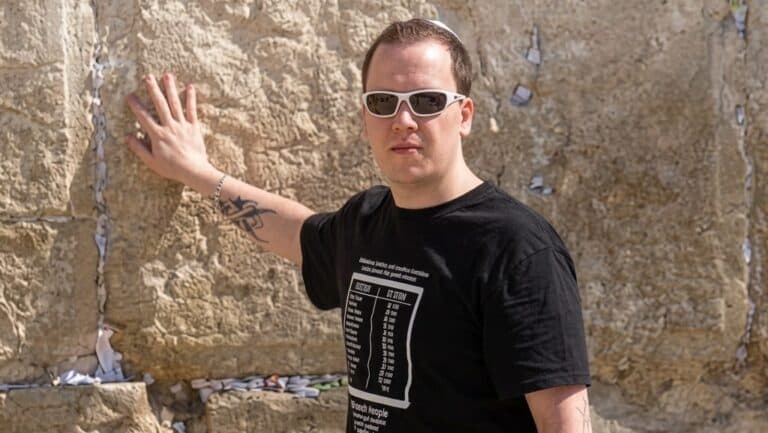


Asking forgiveness. | Photo: Shutterstock
Between Rosh Hashana, the Jewish New Year, (on the first and second days of the Hebrew month of Tishrei) and Yom Kippur, the Day of Atonement, (on the tenth of the same month), there is a period known as the ‘Ten days of Repentance’. This time is significant for Jews as it represents a period of intense self-reflection and spiritual renewal.
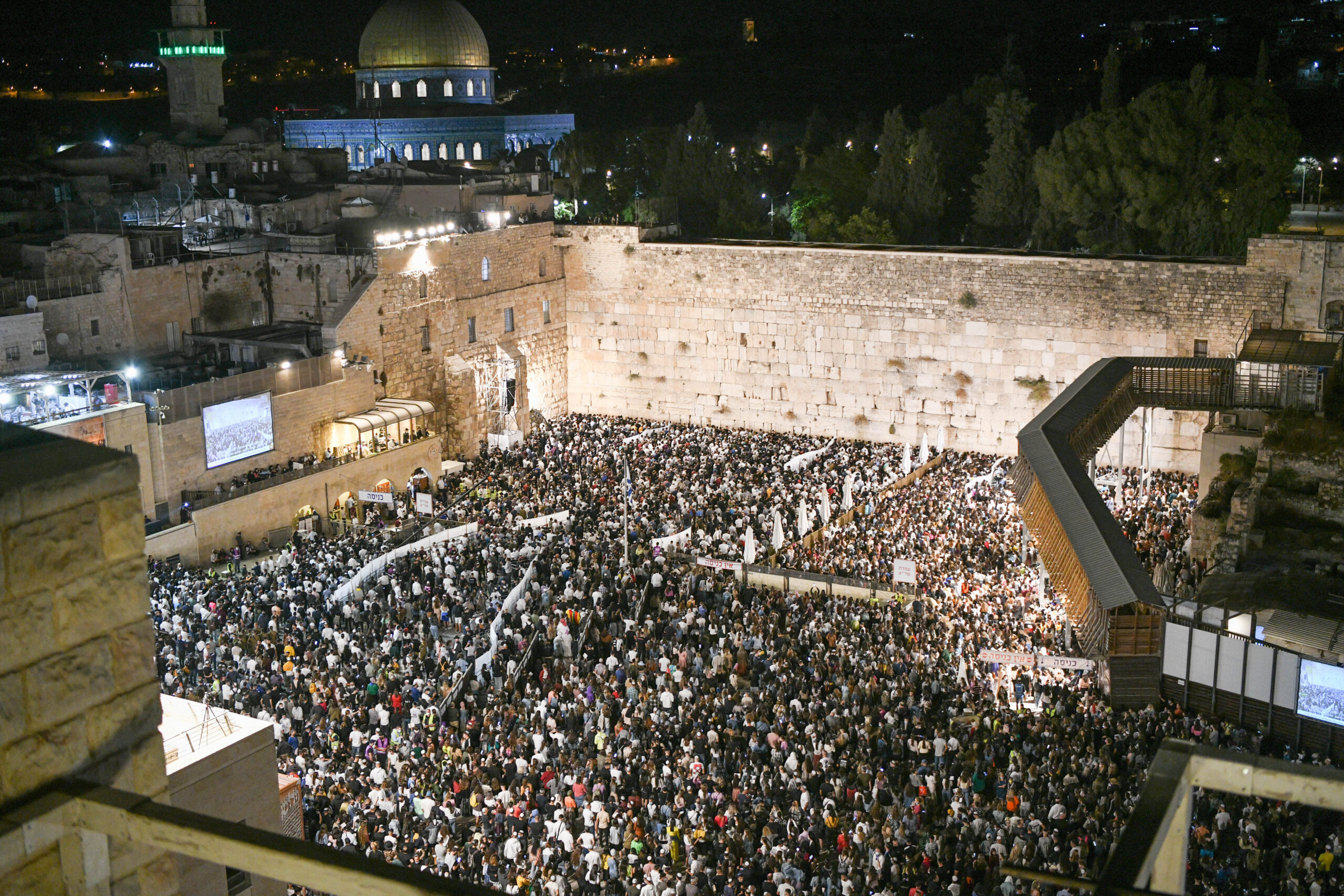
Watch prayers during the Ten Days of Repentance called ‘Slichot’ prayers asking forgiveness from God:
Rosh Hashana begins the process of standing before God on days of judgment. When representing God’s name to the world, there is an extra responsibility to look inwards and ensure that one’s actions are worthy. To be called a child of God is an honor that must be earned, both in terms of actions towards God and in how one treats others.
Sins Against Other People Require Asking Forgiveness From the Person Wronged
During Rosh Hashana and Yom Kippur, individuals ask God for forgiveness for all sins of omission and commission from the previous year. They acknowledge times when they should have acted but didn’t, and other times when silence was required but they chose to act inappropriately. This period calls for careful consideration of not only specific infractions against God but also one’s overall spiritual identity. However, even if a person achieves atonement from God after sincerely asking for forgiveness, they might be only half absolved. God only atones for the sins committed against Him; sins committed against others—lying, cheating, stealing, gossiping, judging, abusing, disrespecting—require the individual to personally seek forgiveness from those they have wronged.

This emphasizes the importance of both vertical (God-human) and horizontal (human-human) reconciliation. The prophet Isaiah spoke about seeking God: “Seek God when He is to be found; call upon Him when He is near” (Isaiah, 55:6).
This verse is connected to the Ten Days of Repentance, when God is considered especially close and accessible. It’s an opportune time for seeking forgiveness and returning to Him. These days are designated for interpersonal improvement; when God is near, we must include our friends and family and find harmony to stand before Him on the holiest of days. The Sabbath between Rosh Hashana and Yom Kippur is called ‘Shabbat Shuva’ (the Sabbath of repentance). During this Sabbath, a special part of the Bible is read which encourages returning to God and repenting with words to those we have hurt.
Through these ‘ten days’ and Shabbat Shuva, we prepare ourselves to accept God’s will and serve Him accordingly. This period offers valuable lessons for all who seek a closer relationship with God, emphasizing the importance of self-examination, repentance, and reconciliation with both God and fellow humans.
Discussion0
No comments yet — be the first to share your thoughts.