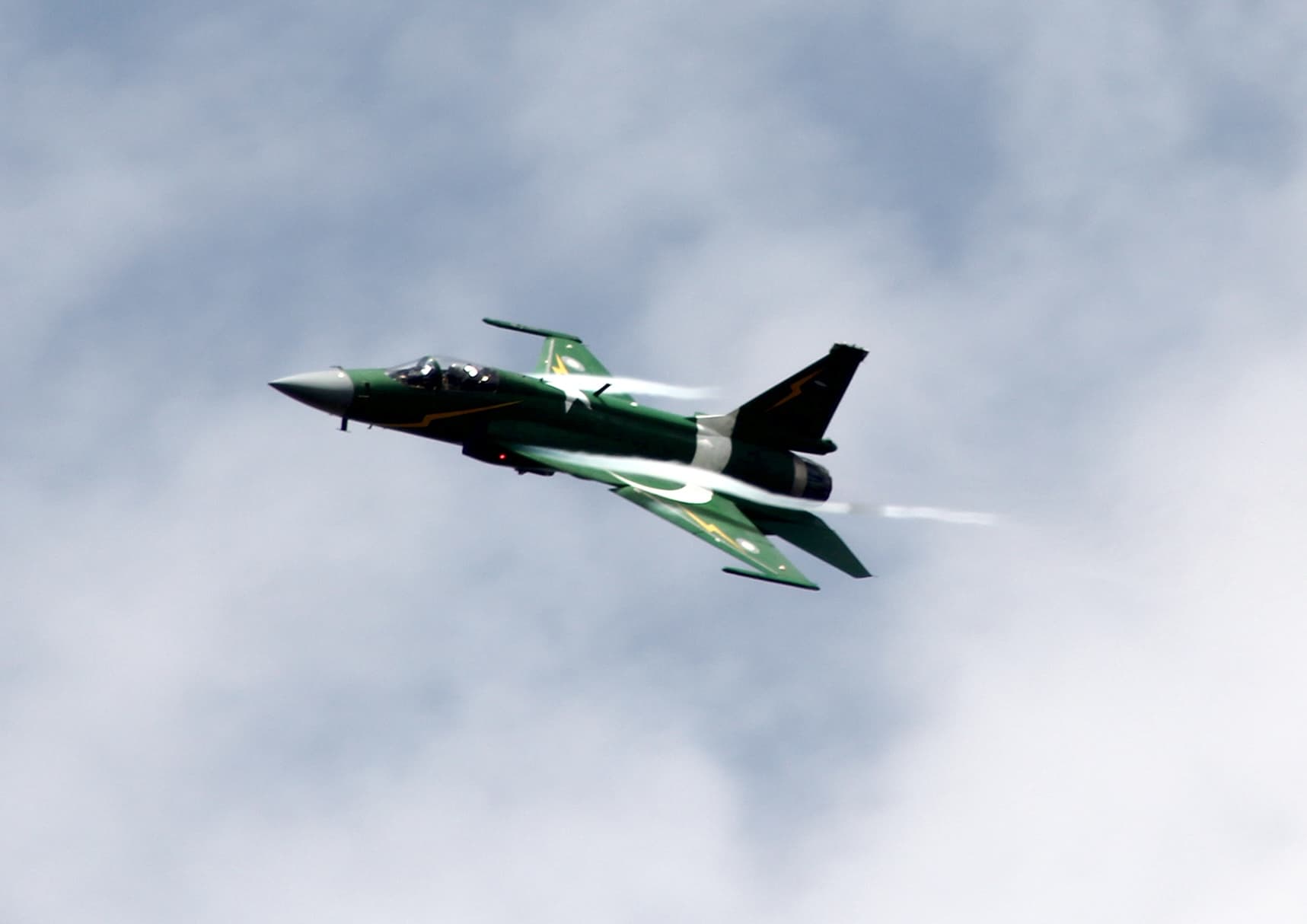
Report: U.S. Aid to Israel Generates Billions for the American Economy
A report by Ariel Kahana argues that U.S. aid to Israel generates major returns for the American economy through defense purchases, battlefield-tested systems, and Israeli technological upgrades

Aid That Comes Back
U.S. security aid to Israel is often described as a one-way transfer. In practice, according to a report by journalist Ariel Kahana, the money also functions as a major investment in the American defense industry and the wider U.S. economy.
The core annual U.S. Foreign Military Financing package to Israel stands at $3.3 billion. Under the current U.S.-Israel security assistance framework, Israel also receives $500 million annually for cooperative missile defense programs, bringing the broader annual package to $3.8 billion through 2028.
But much of that money does not leave the American economy in the way critics often suggest. The aid is largely tied to purchases from U.S. defense companies, meaning it flows back into American manufacturers, suppliers, engineers, workers, and military production lines.
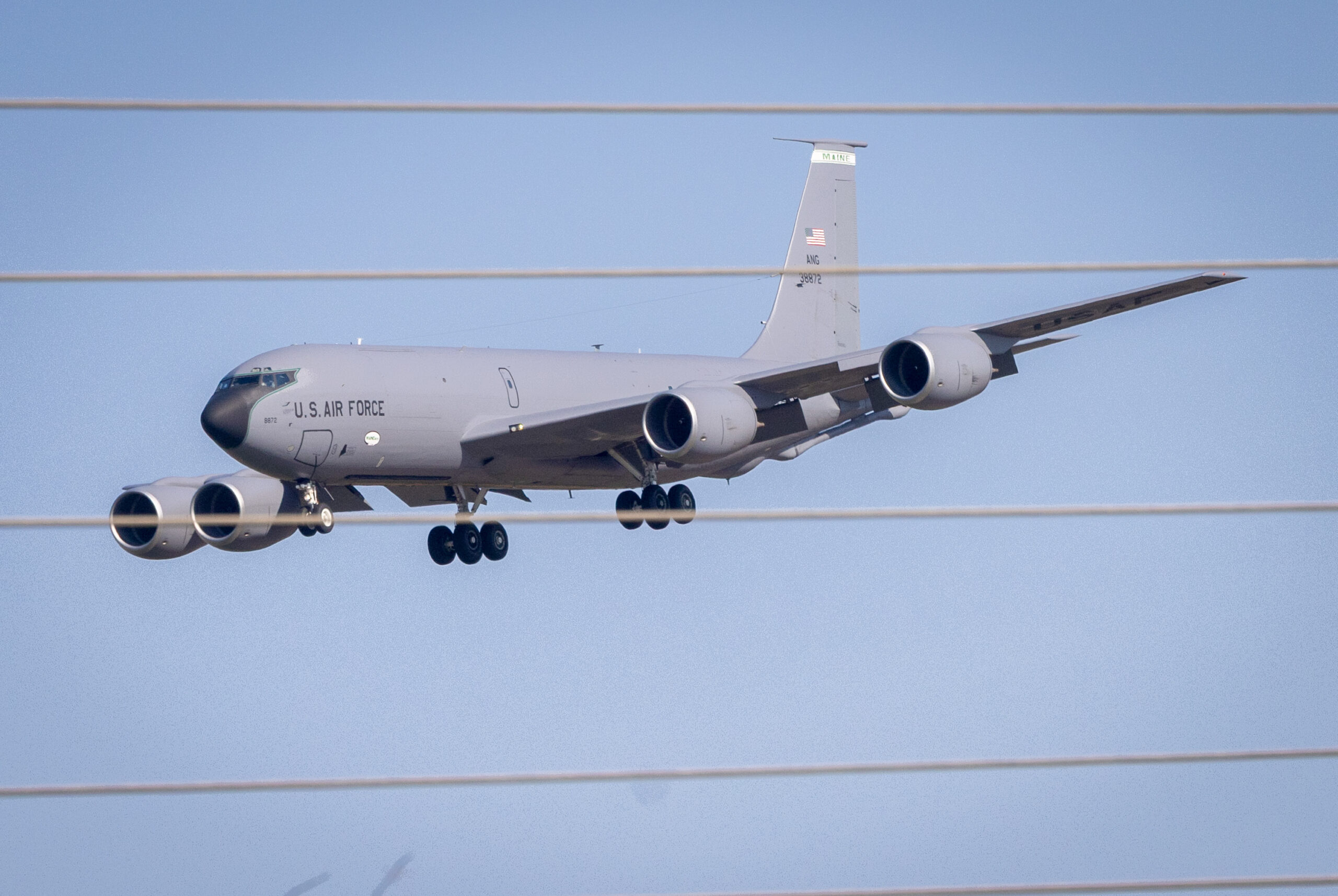
According to Kahana’s report, conservative calculations show that the funds transferred to Israel generate at least $15 billion for the U.S. economy. Broader estimates cited in the report claim the economic return could reach around $48 billion a year.
Battle-Tested Systems
Beyond the direct financial return, Israel also serves as one of the most effective real-world showcases for American weapons systems.
When the Israeli Air Force operates U.S.-made platforms, including the F-35 stealth fighter, those systems are not only used by one of America’s closest allies. They are tested under intense operational conditions by a military with a global reputation for battlefield performance.
That matters for American defense companies. When Israeli use demonstrates the effectiveness of U.S.-made systems, it strengthens international demand for those platforms and supports major orders for companies such as Lockheed Martin from countries around the world.
This is where the relationship becomes more than aid. It becomes a cycle of procurement, battlefield validation, global marketing, and defense industry growth.
Technology Flowing Back
The benefits are not only commercial. Israeli engineers also develop upgrades and operational improvements for American aircraft and weapons systems.
According to the report, these include unique fuel tanks for stealth aircraft designed not to harm the aircraft’s radar signature. That kind of innovation is not only useful for Israel. The technological knowledge and operational experience can also flow back to the U.S. military, helping improve American capabilities.
The result is a defense relationship that is more complex than the usual headline suggests. The United States helps fund Israel’s security, but Israel also helps strengthen American defense technology, expand the reach of U.S. weapons systems, and support the American defense economy.
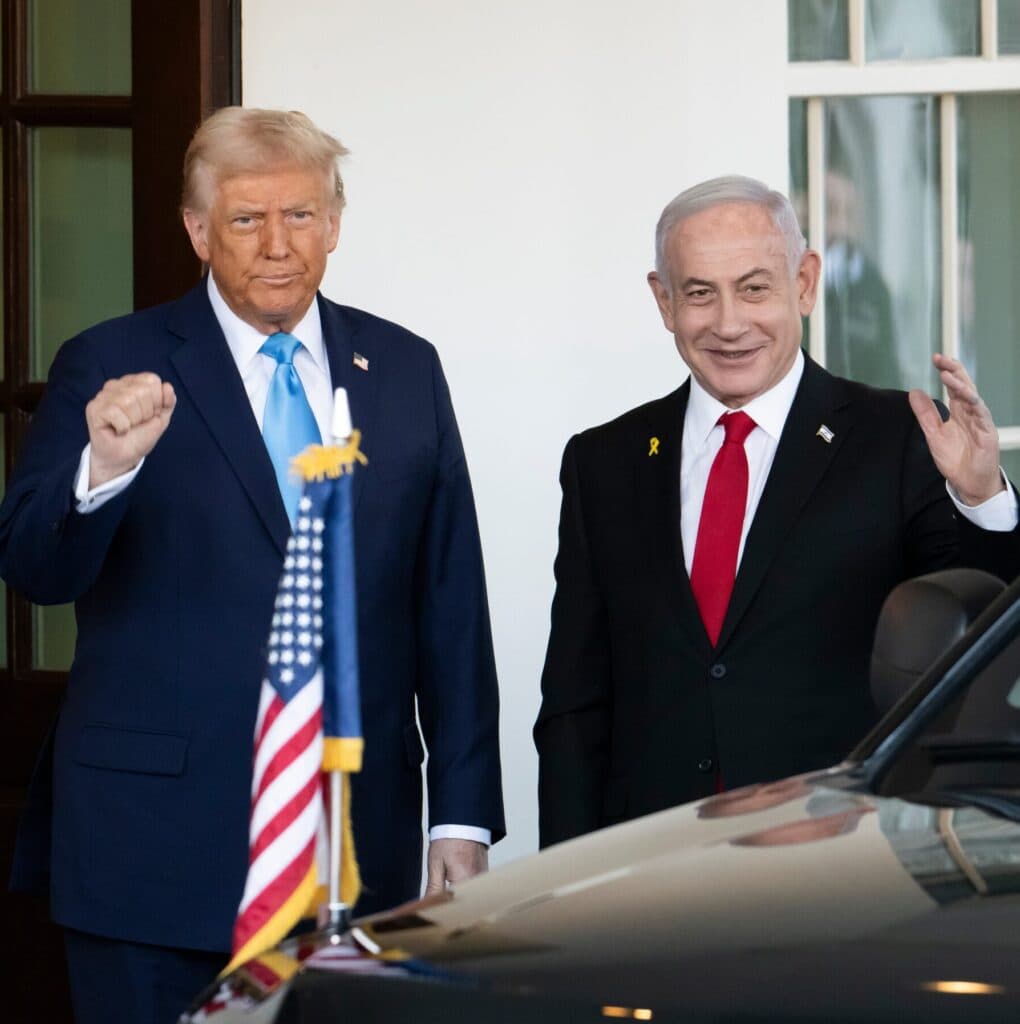
For Trump, who has often framed foreign policy through the lens of American benefit, the argument is straightforward: aid to Israel is not only a strategic alliance. It is also a major economic engine for the United States.
Discussion0
No comments yet — be the first to share your thoughts.