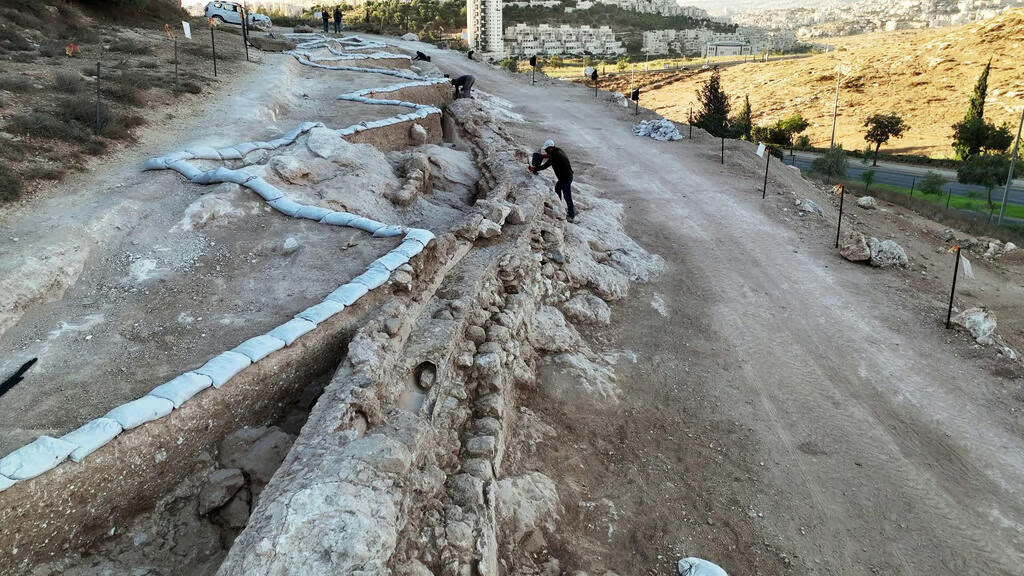

Key Takeaways
- The origin of Palestine comes from the Philistines, who were Aegean Sea people related to Greeks, not Arabs at all
- Palestine was the name referred to Jewish territory inhabited by Israelites
- Palestinian identity: 1964 marks when Arabs first adopted the name
- The true history of Palestine name reveals 3,000 years of Jewish history vs. only 60 years of Palestinian national identity
Here’s an interesting history byte to consider (and it may actually shock you.) For nearly 2,000 years there were no such thing as “Palestinians.” It sounds wild, but it’s really one of the history facts many people still don’t know. Most of us just assume “Palestine” is an Arab name identified with an Arab population. However, once the true history of Palestine is uncovered, the facts might show how it’s even more related to Jewish history than you would assume.
Where the Palestine Name REALLY Originated
The Palestine name origin traces back to the Hebrew word Pelesheth, meaning “land of the Philistines.” Now the really interesting part. The Palestine Philistines were not Arabs at all. They were Aegean Sea people and were essentially related to the ancient Greeks. They settled the southern coastal plain around 1200 BCE, and spoke a non-Semitic language.
When Herodotus, the Greek historian, referred to “Palaistinē” in the 5th century BCE, he was referring to a district in Israel where Israelite (ancient Jewish) people lived. The name Palestine has been traced back to this very simple fact: It was originally used by non-Arabs and later applied to an area where Jews were present.
Palestine Was Never an Arab Country
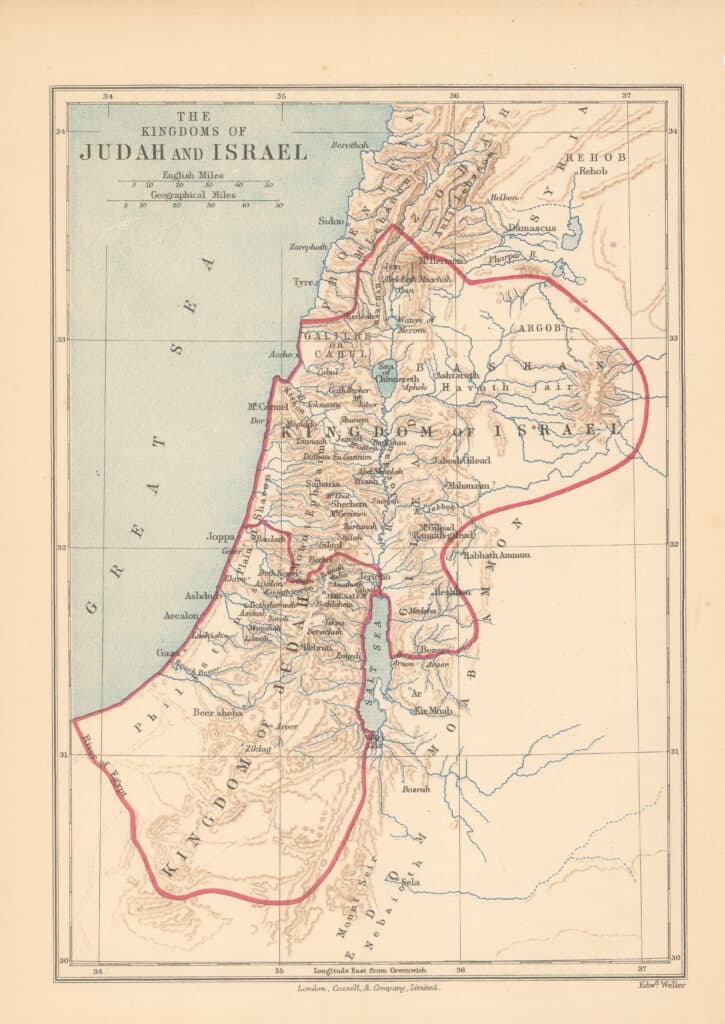
For almost 2,000 years the term Palestine was used as a generic geographical term and not as a term used to refer to an ethnic people or the state of Palestine. The land was most often referred to in Greek and Egyptian sources of history as Judaea, a direct reference to the Jews who inhabited it.
This changed when in 132-135 CE the Romans defeated the Jewish Bar Kokhba revolt, and decided to eliminate the Jewish identity of the land. To humiliate and cut off the Jewish people from their homeland, they renamed the province “Palestina”, which is based on the Philistines, as stated above, the ancient enemies of Israel. It was a political vendetta, not recognition of an Arab or Palestinian population in the region.
Jews have long used their own names for the land: Eretz Bnei Israel (the land of the children of Israel), Eretz Israel (the land of Israel) and Judah (the land of the Jews, from which the word Jew is derived). The earliest mention of Israel is from the 1200 BCE and Palestine as a geographical term occurred in much later written sources.
📖Read this to discover see what’s currently happening with Jews in Judea and Samaria.
If you compare Eretz Israel and Palestine it is obvious that the Jewish connection is before Palestinians by more than a thousand years.
When Were Palestinians Named?
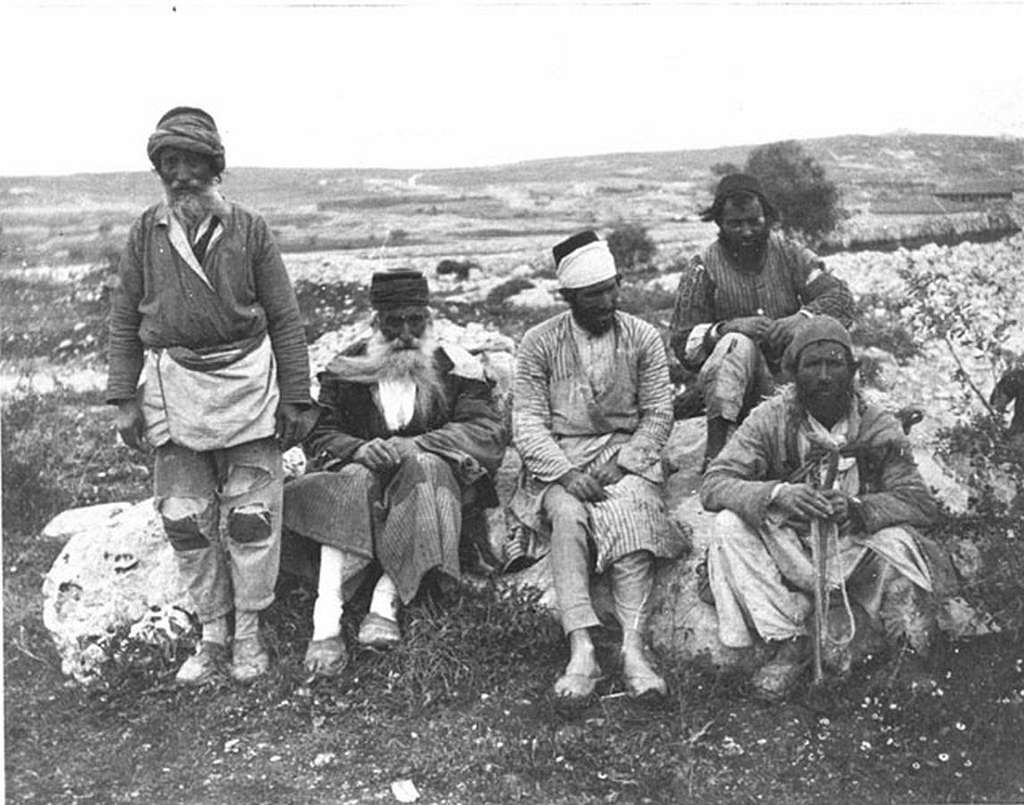
The answer is way more recent than you would think. Until the early 1960s, the United Nations referred to Arab refugees as “Arabs” not “Palestinians.” Between 1920 and 1964 Arab leaders pushed back against using “Palestine” for an Arab state. They preferred “Southern Syria.” The shift happened as a response to the establishment of the State of Israel in 1948.
The whole concept of a Palestinian identity began on May 28, 1964, when the Palestine Liberation Organization (PLO) was established. The PLO’s founding charter was dedicated to the goal of ending the Jewish state. The true history of Palestine name shows that Arab adoption of “Palestinian” identity was a political move, not an ancient national awakening.
Bottom Line
For Christians, getting this history right matters deeply. The land of Israel is woven into the fabric of the entre Bible from beginning to end. Knowing that the Jewish people have a documented, unbroken connection to this land, a connection that long predates the modern Palestinian identity, enriches faith. It’s important to read Scripture in its true historical context and stand confidently in support of Israel with both facts and faith behind you.
Want to keep reading? Check out this incredible piece on Jewish History Through the Ages and discover the rich story that spans thousands of years. You’ll be amazed at what you find! Explore more on faith, values, and the Land of Israel at Sinai Project.
Discussion0
No comments yet — be the first to share your thoughts.