Trump NATO Turkey Visit Raises Israel Concerns
Trump’s expected NATO summit visit to Turkey raises concerns over possible F-35 and engine deals that could affect U.S. interests, Israel, Greece, and NATO security

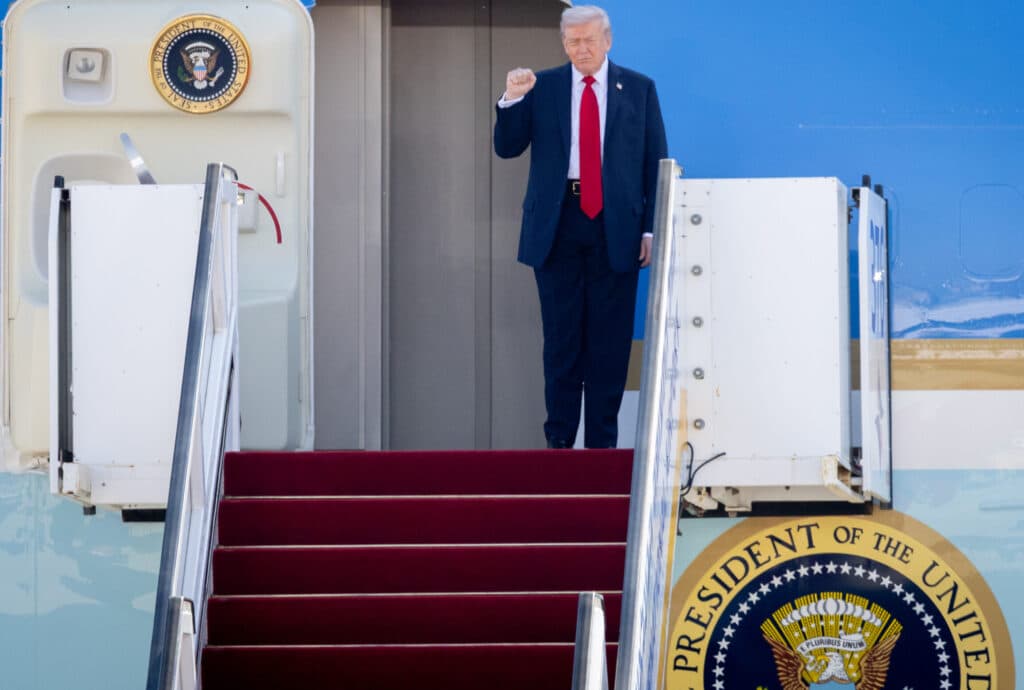
Trump’s NATO summit Turkey visit is raising serious questions for the United States, Israel, and the future of American weapons policy.
The NATO summit is set to open in Ankara, with President Donald Trump expected to attend alongside other alliance leaders.
According to the report, Trump is arriving in order “to honor Erdoğan with his presence” and “to give him gifts.”
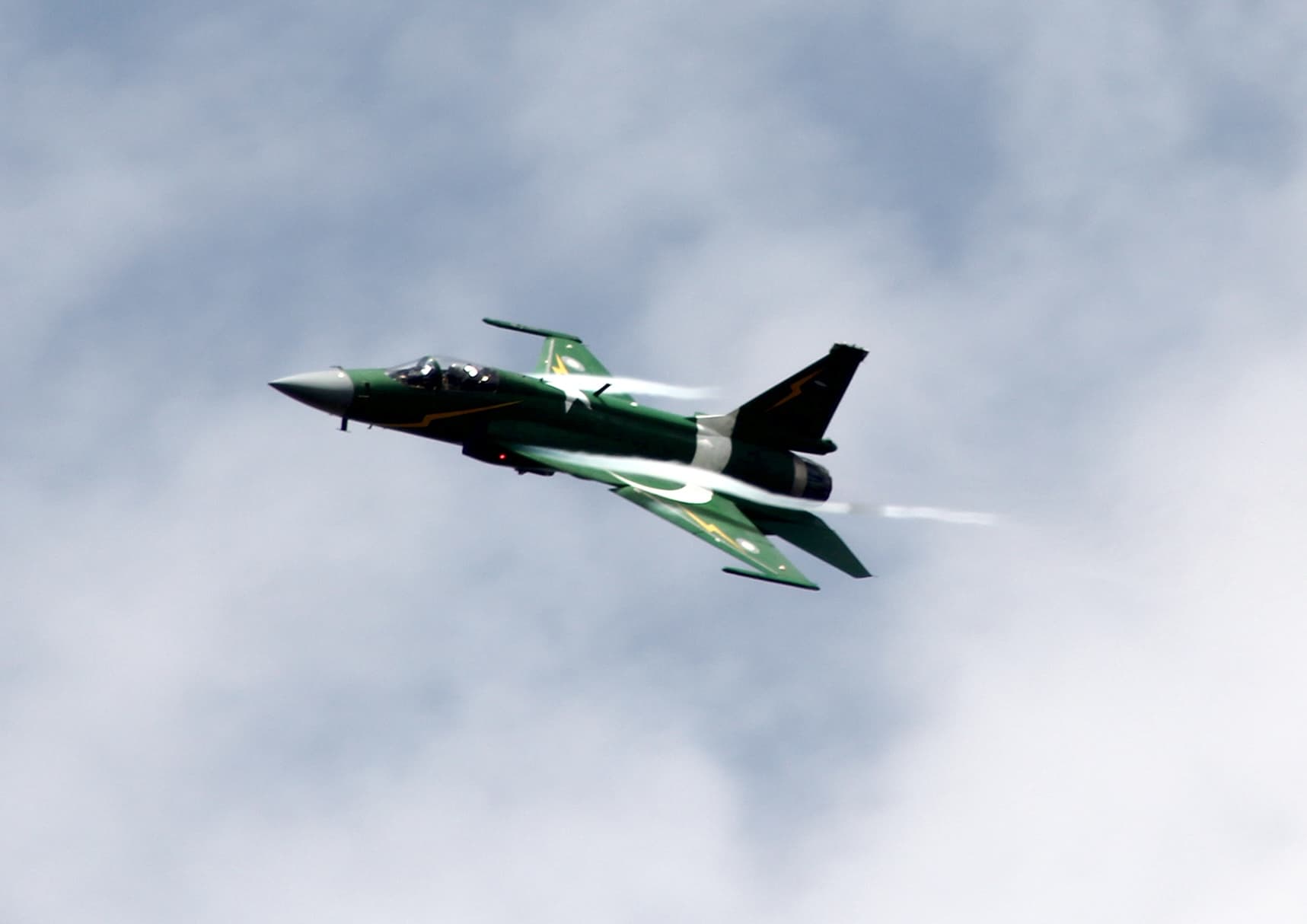
On the agenda are defense deals that Turkey wants, including F-35 aircraft and fighter jet engines.
The Tanakh says, “The prudent man sees danger and hides himself.” That warning applies to statesmanship as much as personal conduct. A great power must know when friendship becomes risk.
NATO Summit Turkey Visit
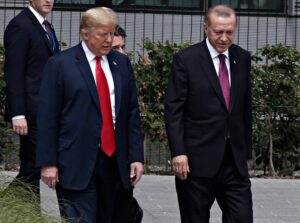
The visit will mark the first trip by an American president to Turkey in 11 years.
President Barack Obama visited Turkey in 2015 and, before that, in 2009.
Ahead of Trump’s visit, the president’s limousines have already arrived, along with cargo planes carrying equipment needed for the trip.
Diplomacy with Turkey is not inherently wrong. Turkey is a NATO member, sits at a critical geographic crossroads, and plays a major role in the Black Sea, Syria, the Eastern Mediterranean, and the Middle East.
However, a presidential visit should not become a reward for dangerous conduct.
F-35 And Engine Deal Concerns
The central concern is not the summit itself. It is what Trump may give Turkey during it.
Turkey was removed from the F-35 program after purchasing Russia’s S-400 air defense system. That decision raised major fears in Washington about the security of American military technology.
Now, the Trump administration is advancing a $700 million engine sale to Turkey. The deal would support Ankara’s fighter jet ambitions and could help strengthen Turkey’s defense industry.
For the United States, the risk is clear. Washington should not hand advanced defense capabilities to a government whose strategic posture often clashes with U.S. allies.
For Israel, the danger is even more direct. Turkey under President Recep Tayyip Erdoğan has repeatedly taken hostile positions toward Israel and has threatened key U.S. partners, including Greece.
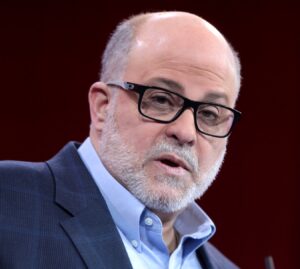
That concern also stands behind “Mark Levin Blasts Turkey F-35 Plan: ‘Erdogan Is A Madman.’” Levin warned Trump against selling F-35 jets to Turkey, arguing that Erdoğan threatens Israel and Greece while aligning with Putin and Iran.
Levin’s warning matters because it comes from inside the pro-Israel American right. His message was not anti-Trump. It was a warning that this specific decision could harm American interests and Israeli security.
America, Israel And Moral Clarity
The United States and Israel both need a NATO policy that strengthens allies, deters enemies, and protects advanced American technology.
A deal that empowers Erdoğan without strict conditions risks doing the opposite.
The United States and Israel also share a covenantal understanding before God. Both nations, at their best, see liberty as a moral calling, not only a political system.
In this story, that shared calling means using American power with discernment. It means asking whether U.S. weapons will protect freedom, strengthen Israel’s security, and support trustworthy allies, or whether they will embolden a leader who pressures Israel and destabilizes the region.
For Israel, that duty includes preserving the military edge needed to defend Jewish life in the land promised to the Jewish people. For America, it includes ensuring that American weapons serve freedom, not leaders who work against U.S. allies.
Trump’s visit may strengthen diplomacy. However, if it becomes a platform for major concessions to Erdoğan, it would be a serious mistake.
America can respect Turkey’s role in NATO without ignoring Turkey’s record. Israel and the United States both need policy built on clarity, not personal flattery or symbolic gifts.
For more stories on Israel, faith, and the values behind the headlines, follow Sinai on Facebook and Instagram.
Discussion0
No comments yet — be the first to share your thoughts.