
Nabih Berri Attacks Lebanon Deal As Sovereignty Battle Deepens
Nabih Berri attacked the Lebanon agreement with Israel, but his remarks expose Hezbollah’s deeper struggle against Lebanese sovereignty and state authority

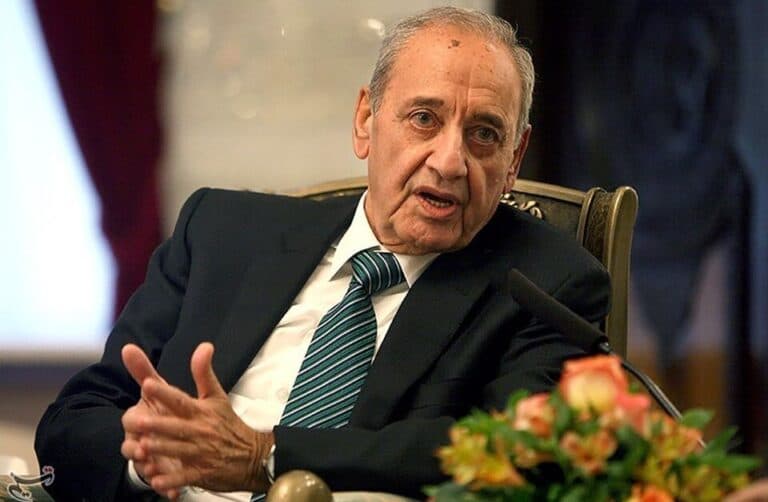
Nabih Berri attacked the Lebanon agreement with Israel, calling it “dictations” and warning that it could divide Lebanon.
However, his remarks reveal the deeper fight inside Lebanon: whether the state answers to its own people, or to Hezbollah and the Iranian axis.
The Tanakh warns, “You shall not follow a multitude to do evil.” That principle directly fits Lebanon’s crisis. A country cannot find peace while armed factions drag it behind foreign interests.
Berri Rejects The Lebanon Deal

Berri, the speaker of Lebanon’s parliament and head of the Shiite Amal Movement, told Hezbollah-linked Al-Akhbar that the agreement does not protect Lebanon’s rights.
He also claimed it is “ten times worse” than the May 17, 1983 agreement.
Berri’s comparison collapses under the facts. The issue today is not whether Lebanon “surrenders” to Israel. The issue is whether Lebanon can reclaim sovereignty from Hezbollah, which built an Iranian-backed terror front inside Lebanese territory.
Berri also warned against removing the Lebanese army commander, saying the army is a “red line.”
On that point, he is right in theory. The Lebanese army should stand as a national institution. However, the same principle exposes the contradiction. If the army is the pillar of national stability, then Hezbollah cannot remain a parallel army that decides war and peace for Lebanon.
That point connects directly to “Lebanese President: No One Negotiates On Lebanon’s Behalf.” President Joseph Aoun said no one can negotiate for Lebanon, as Beirut faced pressure over Israel, Hezbollah, Hamas, and state sovereignty.
Hezbollah’s Lebanon First Problem

Berri warned that the agreement could create “fitna,” meaning internal division or civil conflict.
Yet Hezbollah’s own behavior has already deepened that division. According to recent reports, Hezbollah militants took to the streets and burned government billboards that read “Lebanon first.”
That act exposes the hypocrisy. Hezbollah claims to defend Lebanon, but it repeatedly places Iran’s Islamic Republic, radical Islamist ideology, and Palestinian factions above Lebanese civilians.
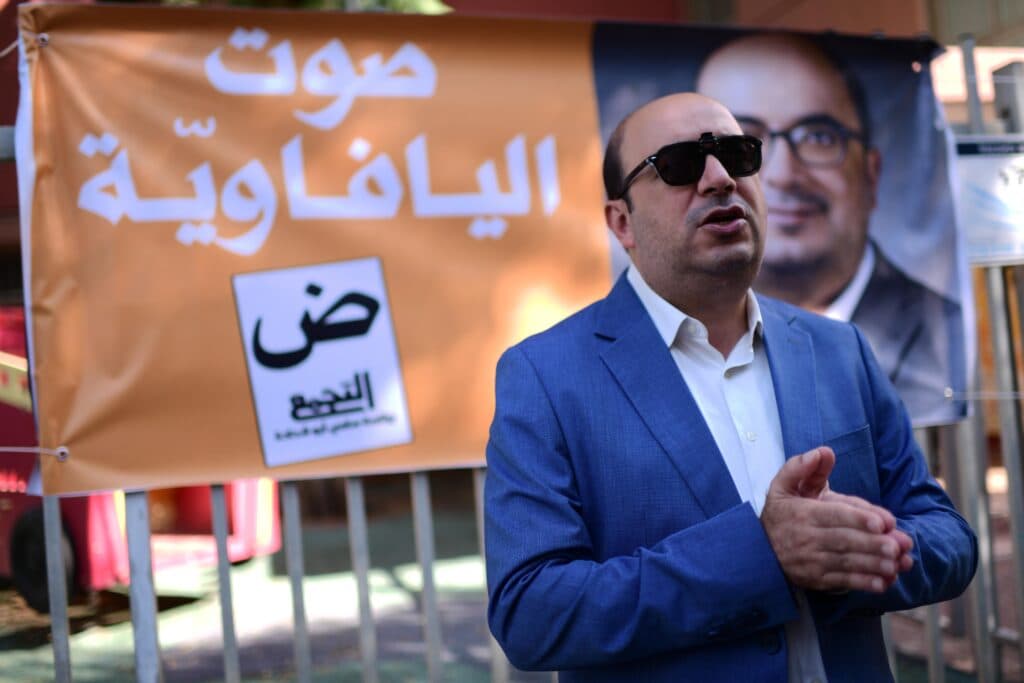
The same contradiction appeared in “Lebanese Politician: Iran Has No Right To Speak For Lebanon.” Lebanese MP Nadim Gemayel rejected Iran’s claim to speak for Lebanon, highlighting growing resistance to Hezbollah and Tehran’s control over Lebanon’s future.
Berri also admitted the disconnect with President Aoun, saying, “He doesn’t call me, and I don’t call him.”
That is not statesmanship. It reflects the failure of Hezbollah-aligned leadership to work with Lebanon’s sovereign presidency.
Why This Matters For Israel, Lebanon, And America
For Israel, the agreement matters because Hezbollah has used Lebanon as a launchpad against Israeli civilians for decades.
For Lebanon, it matters because no country can rebuild while an Iranian-backed militia controls war, diplomacy, and the streets.
Meanwhile, the United States has a direct stake in the outcome. A sovereign Lebanon weakens Iran, strengthens regional stability, and helps protect America’s allies from terror networks.
A Shared Moral Calling
The United States and Israel also share a covenantal understanding before God. Both nations, at their best, see liberty as a moral calling, not only a political system.
That shared belief includes faith in divine promise, the dignity of human life, and the duty to stand with those who refuse to surrender to terror, tyranny, or antisemitism.
For Israel, that duty includes defending Jewish life in the land promised to the Jewish people. For America, it includes using strength to protect freedom and stand with allies who carry that same moral burden.
Berri’s statement should therefore be read for what it is: not a defense of Lebanon, but a defense of the old Hezbollah-Iran order. A true “Lebanon first” position would support one state, one army, and one sovereign government.
For more stories on Israel, faith, and the values behind the headlines, follow Sinai on Facebook and Instagram.
Discussion0
No comments yet — be the first to share your thoughts.


.jpg)