Lebanon Agreement Exposes The True Fight Over Hezbollah
The Israel-Lebanon framework has exposed a split between Lebanese leaders backing state sovereignty and Hezbollah-aligned forces warning of civil war.

The Lebanon agreement is exposing the real divide inside Lebanon: whether the state will reclaim sovereignty or whether Hezbollah will keep dragging the country into war.
The U.S.-brokered framework between Israel and Lebanon is not full peace or normalization. However, it is a signed framework that puts Hezbollah’s weapons, Lebanese sovereignty, and Israel’s northern security at the center of the diplomatic process.
The Tanakh says, “Seek peace, and pursue it” (Psalm 34:14). In Lebanon, that pursuit cannot mean surrendering the country to an Iranian-backed terror army. Peace requires a state strong enough to control its own territory.
Lebanon Agreement Divides Beirut

Nabih Berri, Speaker of the Lebanese Parliament and head of the Shiite Amal Movement, warned Lebanese citizens against civil war after the agreement.
“My people in Lebanon, all of Lebanon, beware of civil war!” Berri said.
Berri also used an Arabic proverb, warning that when internal strife breaks out, Lebanon would become like a young camel: too weak to be ridden and unable to produce milk.
His warning reflects the position of the Hezbollah-Amal camp. That camp presents the agreement as dangerous because it threatens the armed “resistance” structure that Hezbollah has built in southern Lebanon.
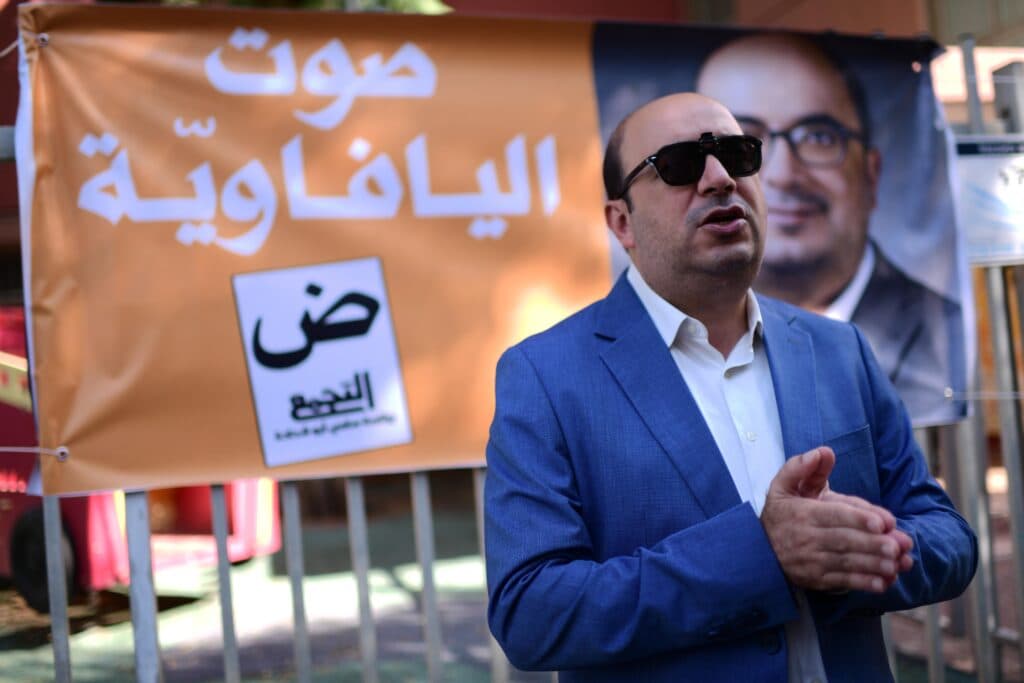
However, Samir Geagea, head of the Christian Lebanese Forces party, took the opposite position.
Geagea called the framework agreement between Lebanon and Israel “the most important political step the Lebanese state has taken in about fifty years.” He said it aims to rescue Lebanon from the tragic crisis caused by the various “resistances” that operated in the south over decades.
Not Submission To Israel
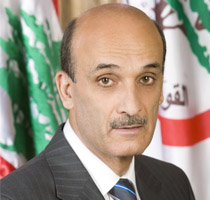
Geagea also rejected the claim that the agreement means civil war.
He argued that the real civil war dynamic began when the Taif Agreement was implemented against some parties, but not others. His point was clear: Hezbollah’s weapons remained outside state control while others disarmed.
That is the core issue. This is not simply a religious divide, although Lebanon’s politics often follow sectarian lines. The real divide is political and strategic: the Lebanese state versus Iranian-backed non-state weapons.
The pro-agreement side includes figures such as Geagea and Sunni lawmaker Fouad Makhzoumi, who see the framework as a path back to sovereignty. The anti-agreement side is led by Hezbollah and its allies, including Amal, because disarmament would reduce their power.
That point was also central in “Lebanese Lawmaker Backs Historic Israel-Lebanon Framework.” In that article, Fouad Makhzoumi backed the agreement, while Israel Katz said Israel will remain in Lebanon until Hezbollah is disarmed.
Together, these Lebanese statements undercut the far-left claim that Lebanon is simply “submitting” to Israel. Lebanese leaders themselves are saying the agreement can strengthen Lebanon’s government and end militia rule.
The “Greater Israel Project” narrative also collapses against the facts. The agreement is about security, Hezbollah’s disarmament, and Lebanese state authority. It does not describe Israeli control over Lebanese citizens. It describes a process tied to removing Hezbollah’s threat.
Good For Israel, Lebanon And America
For Israel, the agreement protects northern communities and preserves IDF freedom to act against Hezbollah threats. It also confirms that the war has never been against Lebanese civilians. The war is against Hezbollah terrorists who turned southern Lebanon into a launchpad against Israel.
For Lebanese civilians, the framework offers something Hezbollah never could: a chance for the legitimate state to govern the south, reduce war, and restore stability.
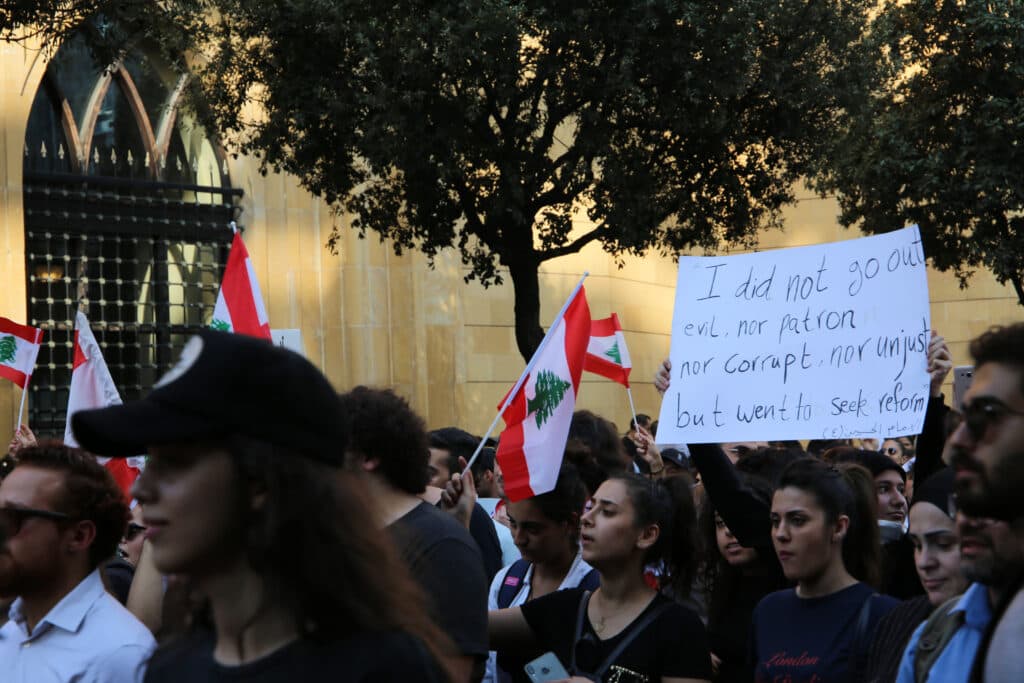
That desire for a functioning state is not new. In the above image from Beirut during the 2019 Lebanese Revolution, protesters carry Lebanese flags while one sign reads: “I did not go out evil, nor corrupt, nor unjust, but I went to seek reform.” The message captures the deeper issue in Lebanon today. Lebanese civilians are not asking to submit to Hezbollah or Israel. Many are seeking reform, sovereignty, and a state no longer held hostage by corruption, militias, or foreign-backed power centers.
For the United States, the agreement is a strategic win. It weakens Iran’s regional terror network, strengthens American mediation, and supports a Middle East where sovereign states matter more than terror proxies.
Strength Made Diplomacy Possible

Israeli Chief of Staff Lt. Gen. Eyal Zamir said the agreement is “historic and significant.” He said the IDF’s operational strength and military achievements created the conditions for it.
“We will honor the agreement and work for its success,” Zamir said. “The test now is the test of actions by both sides, and the coming period will dictate what the future holds.”
The United States and Israel share more than strategic interests. Both nations carry a covenantal responsibility before God: to defend innocent life, resist tyranny, and help free peoples stand against terror.
That covenantal vision gives this agreement its wider meaning. It is not about Israel controlling Lebanon. It is about Lebanon finally being controlled by Lebanon.
For more stories on Israel, faith, and the values behind the headlines, follow Sinai on Facebook and Instagram.
Discussion0
No comments yet — be the first to share your thoughts.