Lebanese Politician: Iran Has No Right To Speak For Lebanon
Lebanese MP Nadim Gemayel rejected Iran’s claim to speak for Lebanon, highlighting growing resistance to Hezbollah and Tehran’s control over Lebanon’s future


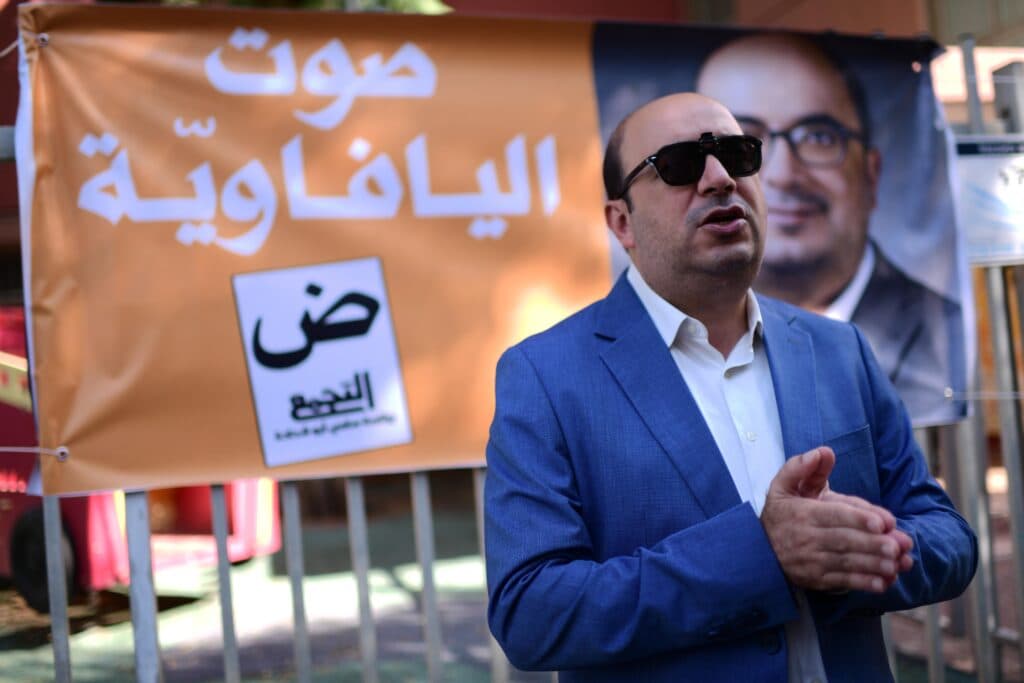
Lebanese sovereignty returned to the regional spotlight after Nadim Gemayel, a member of the Lebanese Parliament, rejected Iran’s claim over Lebanon’s future.
Gemayel, a member of Lebanon’s Christian Kataeb Party, is the son of assassinated Lebanese President Bashir Gemayel. He responded after Iranian Parliament Speaker Mohammad Bagher Ghalibaf said the United States and Iran would guarantee Lebanon’s unity and territorial integrity.
However, Gemayel rejected the idea outright.
“But who even gave Iran the right to speak on behalf of Lebanon?” he asked.
The question reaches beyond one political statement. Proverbs teaches, “Remove not the ancient landmark, which thy fathers have set” (Proverbs 22:28). For Lebanon, as for Israel, sovereignty cannot become a foreign bargaining chip.
Lebanese Sovereignty Against Iranian Control
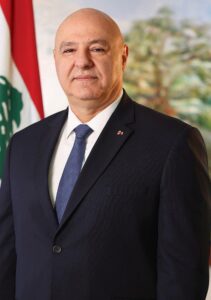
Gemayel said Lebanon’s unity does not depend on Tehran. He also said its territorial integrity should not be determined in Switzerland.
In addition, he argued that Lebanon’s sovereignty cannot become a subject for negotiation between two foreign countries.
“If the Lebanese state respects itself,” he said, “it must make it unequivocally clear that Lebanon is not an Iranian dossier and is not a bargaining arena for anyone.”
His warning also echoes Lebanon’s own presidential message. As covered earlier in “Lebanese President: No One Negotiates On Lebanon’s Behalf,” President Joseph Aoun said no one can negotiate on Lebanon’s behalf as Beirut faces pressure over Israel, Hezbollah, Hamas, and state sovereignty.
Therefore, Gemayel’s remarks fit into a wider Lebanese struggle over who controls the country’s future.
Hezbollah’s Grip Blocks Lebanon’s Future

Israel’s fight in Lebanon is not against the Lebanese people. It is against Hezbollah, the Iranian-backed terrorist organization that uses Lebanese territory as a front against Israel.
Meanwhile, Gemayel’s comments reflect wider Lebanese resistance to Iranian and Hezbollah intervention.
That resistance also points back to what Lebanon once represented. For decades, many called Beirut the “Paris of the Middle East,” a city known for culture, commerce, and beauty along the Mediterranean. A historic Beirut street scene is a reminder that Lebanon’s story is deeper than Hezbollah’s wars.
Many Lebanese Christians, nationalists, and sovereignty-minded voices do not view Hezbollah as a defender of Lebanon. Instead, they see it as a force that has dragged Lebanon into Iran’s regional war.
This point also connects to Israel’s own strategic debate. In “Netanyahu: Israel Building Armaments Independence,” Prime Minister Benjamin Netanyahu said Israel must build its own independent armaments system. At the same time, he expressed appreciation for years of American support.
The principle is similar. A nation that cannot defend its sovereignty risks letting others decide its future.
A Path Away From Hezbollah
For Israel, a truly independent Lebanon would change the region.
If the Lebanese state took control of its territory from Iran and Hezbollah, it could move toward stability. Ultimately, that path could also open the door to a different relationship with Israel.
Peace does not begin with Iranian guarantees. It begins when Lebanon becomes Lebanon again. It begins when terrorist armies no longer decide the future of the border.
For more stories on Israel, faith, and the values behind the headlines, follow Sinai on Facebook and Instagram.
Discussion0
No comments yet — be the first to share your thoughts.