Jimmy Kimmel Questions Trump’s Iran Deal
Jimmy Kimmel mocked President Trump over the U.S.-Iran memorandum of understanding, raising sharp questions about sanctions relief, Hormuz, and Iran’s leverage

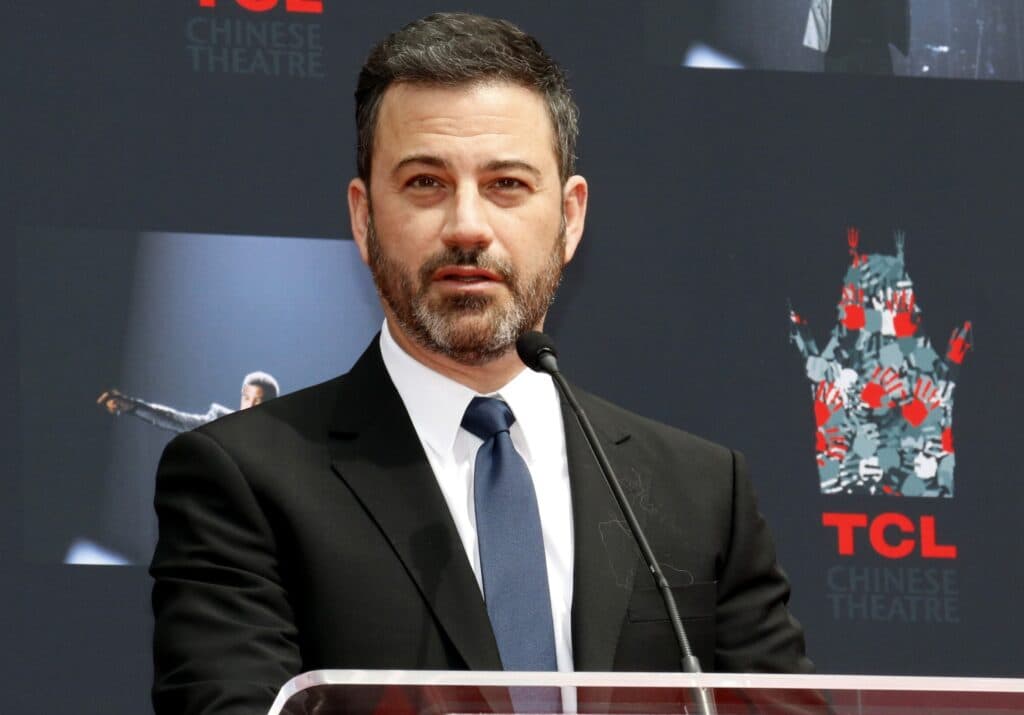
Jimmy Kimmel’s Iran deal criticism drew attention this week after the American late-night host mocked President Donald Trump over the memorandum of understanding with Iran.
According to Axios, the MOU declares an end to hostilities and opens 60 days of nuclear talks. It also calls for Iran to reopen the Strait of Hormuz. In addition, the agreement includes sanctions relief and major economic incentives for Iran. Reuters reported that it also includes a $300 billion reconstruction fund and the unfreezing of Iranian assets.
A Sharp Late-Night Attack
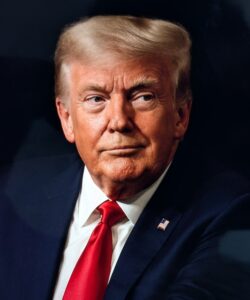
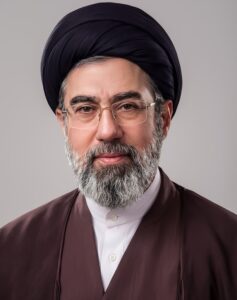
Kimmel, a Democratic-aligned host and longtime Trump critic, framed the agreement as a foreign policy failure. In his monologue, he said the war replaced Iran’s supreme leader with a younger and more radical ayatollah.
He also argued that Washington failed to help Iranian protesters. Instead, he said, the United States removed sanctions, spent billions on weapons, and secured a ceasefire it already had.
The host then mocked the terms of the deal. He said Iran received control over the Strait of Hormuz and major financial benefits. Finally, he joked that Melania Trump must be wondering, “How do I get a deal like that?” The Guardian reported the remarks as part of Kimmel’s broader attack on Trump’s handling of the Iran agreement.
The Strategic Question
Beyond the comedy, the issue carries serious weight for both the United States and Israel. For Washington, the question is whether diplomacy restrains a hostile regime or rewards it.
For Jerusalem, the question is even sharper. Any agreement with Iran must weaken the regime’s ability to threaten Israel, fund terror proxies, and destabilize the region. Otherwise, it does not create peace. It creates risk.
At the same time, peace is not weakness when it protects the innocent and restrains the violent. However, leaders must judge any deal with Iran by results, not slogans. Free nations cannot afford illusions about regimes that target civilians, crush protesters, and threaten Israel’s survival.
Truth Before Applause
The Tanakh warns: “Keep far from a false matter” (Exodus 23:7). That verse speaks directly to moments like this.
The same standard should guide America and Israel today: truth must come before ceremony, headlines, or political applause.
It is not enough to announce peace, claim victory, or celebrate a deal. Leaders must tell the truth about what America gained, what it lost, and who became stronger.
Ultimately, the shared American and Israeli standard should remain clear. Diplomacy must defend freedom, protect allies, and confront evil honestly.
Anything less is not peace. It is performance.
Discussion0
No comments yet — be the first to share your thoughts.