Israeli Journalist: Washington’s Iran Message Is Concerning
Senior Israeli journalist Amit Segal warned that Washington’s U.S.-Iran deal messaging risks casting Iran as moderate while treating Israeli security concerns as extreme

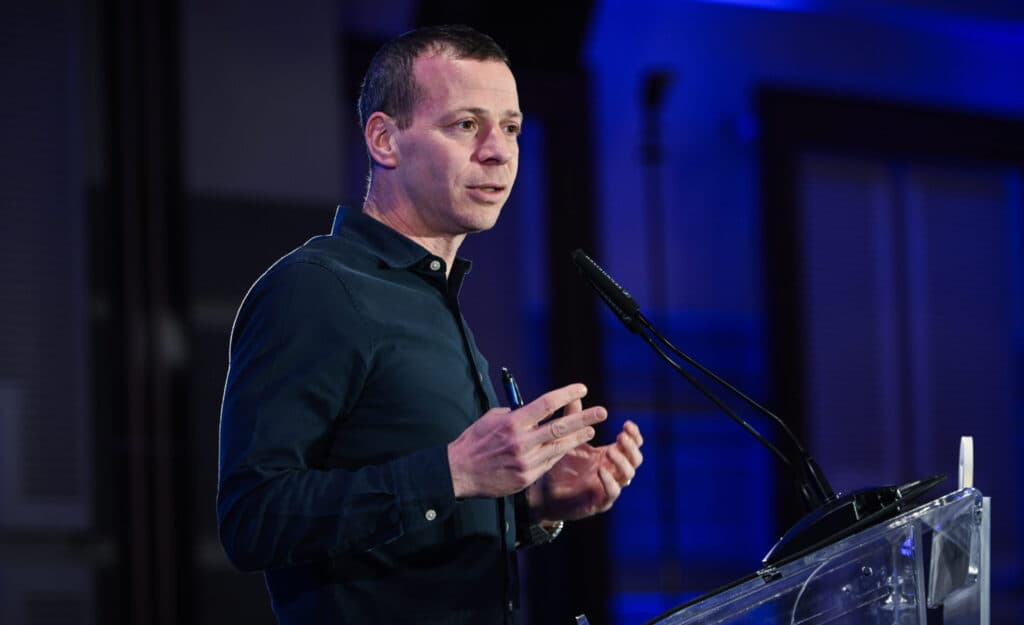
Senior Israeli journalist Amit Segal raised concern over Washington’s message on the U.S.-Iran deal, warning that the language toward Israel and Iran had become dangerously inverted.
“When the U.S. praises Iran’s moderate leadership but attacks Israel’s extremism, you know we have a problem,” Segal wrote.
The Tanakh warns, “Woe to those who call evil good and good evil” (Isaiah 5:20). That verse gives language to Segal’s concern. In a dangerous region, moral clarity is not a luxury. It is a security necessity.
A Warning From Segal

Segal’s comment came as Vice President JD Vance defended the Trump administration’s U.S.-Iran deal and pushed back against Israeli criticism.
Reuters reported that Vance sharply criticized Israeli opponents of the Iran deal. He also said President Donald Trump remains Israel’s most powerful ally, while pointing to U.S. defense support for Israel.
That message created concern in Israel because the nuclear issue is not theoretical. For Jerusalem, Iran is not only a diplomatic file. It is the regime behind threats, missiles, terror proxies, and years of open hostility toward the Jewish state.
The U.S.-Israel Standard
The strongest American-Israeli partnership rests on truth. Allies can disagree. However, they cannot afford to confuse a democratic ally with a hostile regime.
President Trump’s Middle East approach has often emphasized deterrence, pressure, and peace through strength. Prime Minister Benjamin Netanyahu has long argued that Israel must retain freedom to defend itself by itself.
Those two ideas can still work together. However, they require clear language. Iran must not receive moral credit for tactical diplomacy while Israel gets punished for strategic caution.
Truth Before Diplomacy
Segal’s warning points to a deeper issue. Diplomacy can serve peace only when it tells the truth about power, danger, and intent.
The United States and Israel share more than military interests. They share a belief that free nations must confront evil honestly.
Ultimately, a strong U.S.-Israel alliance can survive policy disagreements. It cannot survive moral confusion. If Washington wants a durable deal, it must remember who threatens the free world and who stands on its front line.
Discussion0
No comments yet — be the first to share your thoughts.