Iran Official Threatens Trump Over U.S. Warning
Mohammad Baqer Dhu al-Qadr warned Trump to speak to Iran “with respect,” exposing Tehran’s hostility toward America and its wider threat to Israel

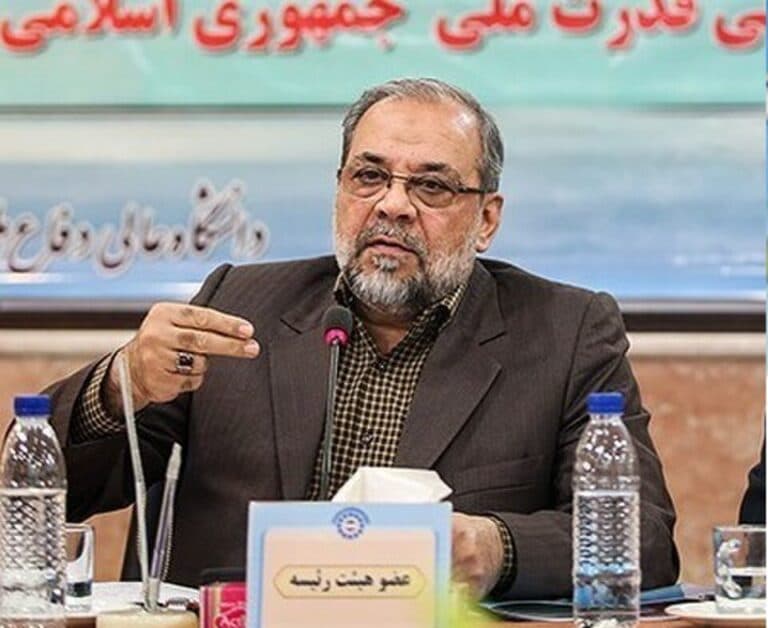
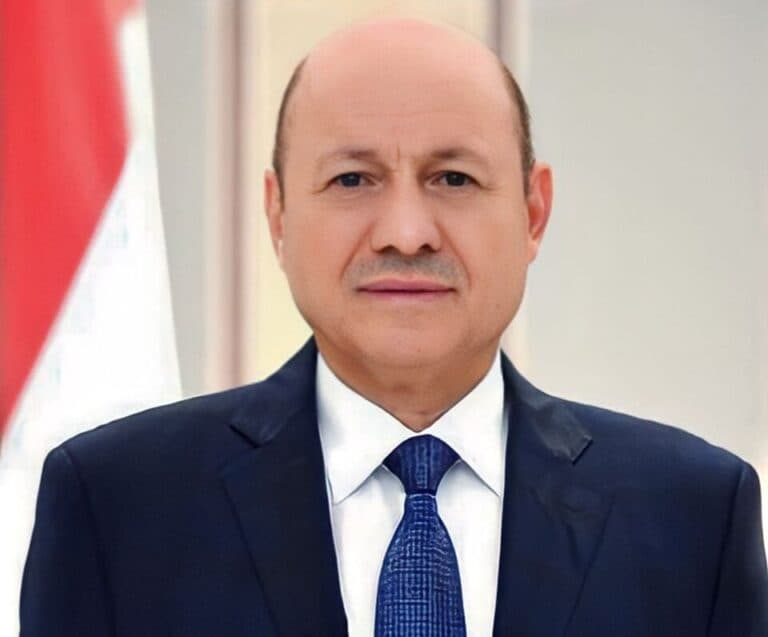
Iran Trump threat rhetoric escalated after Mohammad Baqer Dhu al-Qadr, Secretary of Iran’s Supreme National Security Council, responded sharply to President Donald Trump.
According to the reported statement, Dhu al-Qadr addressed “the President of the United States” and accused Trump of “delusions” after what he described as threats against 91 million Iranians.
He also attacked America as a “rootless country” with only 250 years of history, contrasting it with Iran’s ancient civilization.
The Tanakh says, “Remember the days of old, consider the years of many generations.” History matters. However, age alone does not make a regime righteous, peaceful, or worthy of trust.
Iran Trump Threat Escalates
Dhu al-Qadr claimed Trump had used similar language before and had spoken about erasing Iran’s civilization.
He said the result for Washington had been “failure, helplessness, and a request for negotiations and a ceasefire.”
“The Iranian people are not deterred by the language of threats,” he said, according to the statement.
He then warned Trump to speak to Iranians with respect, adding that otherwise, Iran would respond “in a different language.”
The message was framed as national pride. However, it also carried a clear threat toward the United States.
Why It Matters For America And Israel
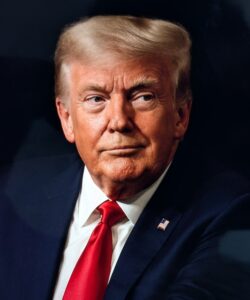
For America, Dhu al-Qadr’s remarks show how Tehran tries to turn deterrence into propaganda.
Iran presents U.S. pressure as weakness, even when American and Israeli military action has damaged the regime’s strategic position. That messaging aims to rally domestic support, intimidate Washington, and make negotiations appear like an Iranian victory.
For Israel, the statement matters because Iran’s hostility toward America and Israel comes from the same strategic worldview.
The regime threatens the United States while building the regional network that targets Israel through Hezbollah, Hamas, Islamic Jihad, the Houthis, and other proxy forces.
Tehran’s message to Trump is therefore not separate from its threat to Jerusalem. It is part of the same campaign: pressure America, isolate Israel, and preserve Iran’s ability to rebuild after military losses.
That is why any U.S. policy toward Iran must account for Israel’s security. A weak deal with Tehran would not only affect Washington. It would shape the threat environment around the Jewish state.
A Shared Moral Calling
The United States and Israel share more than intelligence, weapons, and diplomacy. Both nations also share a covenantal understanding before God.
America’s covenantal tradition is rooted in liberty, responsibility, and the belief that power must answer to moral law. Israel’s covenant is older and unique, rooted in God’s promise, Jewish peoplehood, and the return to the land of Israel.
Those covenants are not identical, but they meet in a shared calling: defend freedom, resist tyranny, and stand against regimes that threaten innocent life.
In this story, that calling means refusing to let Iran turn ancient history into a shield for modern aggression. A civilization’s age does not excuse terror sponsorship, nuclear ambition, proxy warfare, or threats against America and Israel.
For Israel, that duty means defending Jewish life against a regime that openly seeks its destruction. For America, it means protecting U.S. forces, standing with Israel, and ensuring that diplomacy does not reward threats dressed up as national pride.
Dhu al-Qadr’s warning should therefore be read plainly. Iran is not showing moderation. It is challenging Trump, threatening America, and signaling that it still sees confrontation as a tool of state policy.
For more stories on Israel, faith, and the values behind the headlines, follow Sinai on Facebook and Instagram.
Discussion0
No comments yet — be the first to share your thoughts.