

Sinai desert mountain. | Photo: Shutterstock
Feeling vs. Seeing God: The Miraculous in the Mundane
Jews recite the prayer of gratitude three times a day, every day in our personal devotional Amidah (silent prayer) to God. In it, Jews recall two types of miracles which encapsulate our thankfulness to God:
- ‘miracles that are within us every day’
- ‘wonders and goodness that take place at every moment, morning, afternoon and evening’
The distinction between miracles and wonders lies primarily in our perception and recognition of them. Who can deny that life itself is miraculous? Every second of every day is a marvel, yet we often take these wonders for granted and wait with bated breath for a true, bona fide, miracle as if we don’t constantly experience the wonders of God.
Consider these as just a taste of the miracles we experience at all times:
- The miracle of existence: The sheer fact that we exist in this vast universe is astounding. The precise conditions required for life to emerge and thrive on Earth are so specific that our very presence here is miraculous.
- The wonder of consciousness: Our ability to perceive, think, and be self-aware is a profound mystery that scientists and philosophers still grapple with.
- The marvels of the human body: From the intricate workings of our cells to the complexity of our brain, every moment our body performs countless miraculous functions without our conscious effort.
- The beauty of nature: The intricate ecosystems, the diversity of life forms, and the breathtaking landscapes around us are constant reminders of the miraculous world we inhabit.
- The miracle of birth: The creation of new life, from conception to birth, is a process so complex and awe-inspiring that it can only be described as miraculous.
- The phenomenon of healing: The body’s ability to repair itself, fight off diseases, and recover from injuries is nothing short of miraculous.
- The miracle of creativity: Our ability to imagine, innovate, and create art, music, and literature is a unique and wondrous aspect of human life.
- The wonder of resilience: The human spirit’s capacity to overcome adversity, find hope in dark times, and persevere is a miracle we witness time and again.
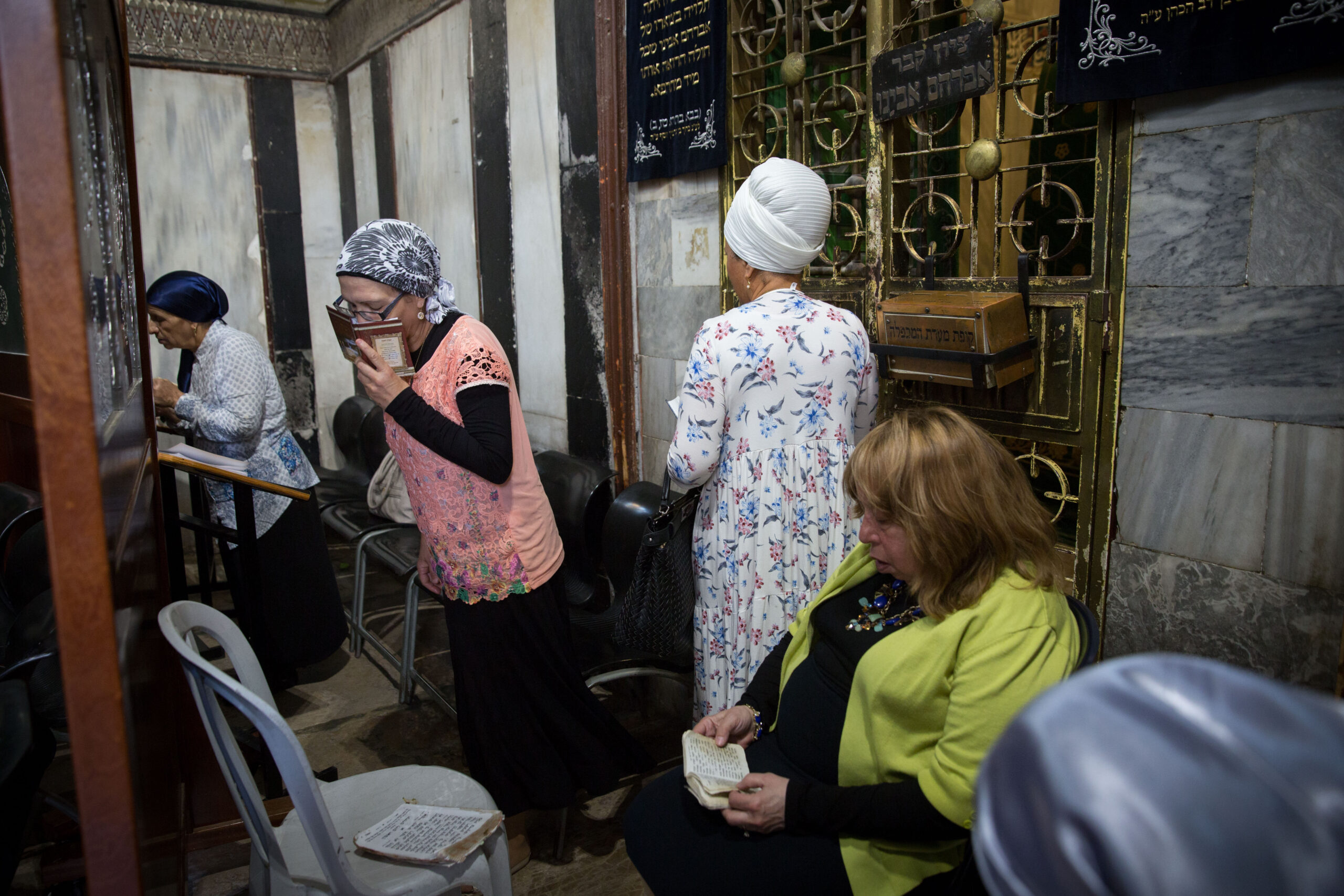
And yet, with all this, humans still seek the ‘showstopping miracle’
The prayer acknowledges that while life itself is miraculous, human beings are creatures of habit, who take for granted the wonders of nature. For them, God, sometimes, for reasons all His own, interferes with nature and reminds us of the capacity to truly see the hand of God. But only rarely, at certain points in our history, do we get a glimpse of the divine in the most extraordinary way. Thus, the prayer we recite reminds us of daily wonders but also of those overt supernatural miracles where God stopped the world and let us have a unique glimpse.
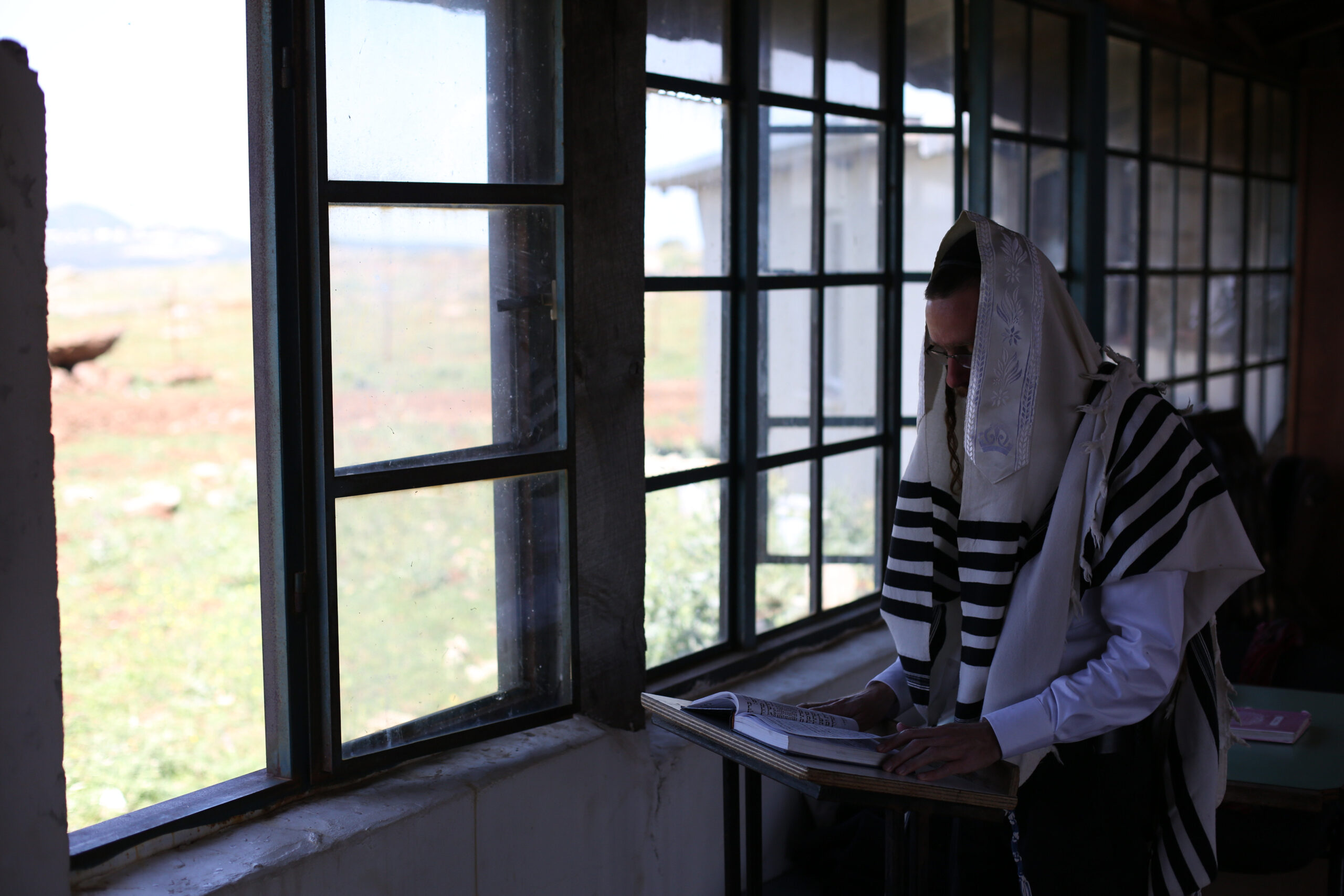
This idea of seeing God in nature vs. having to experience Him in supernature finds expression in the story of the children of Israel at Mt Sinai and in the days subsequent. Revelation was once in a lifetime; it was God initiating this incipient nation with a one-time miraculous succession of events, from the plagues to the splitting of the sea, from the waters from a rock to the manna from heaven and ultimately to the revelation and the Ten Commandments.
They needed a tangible experience of God in order to set them on their journey to the Promised Land where they would then lead a natural existence knowing full well of God’s divine guidance without having to witness it all the time. God gave in for that one time.
But Israel needed more! A Tabernacle, a Temple
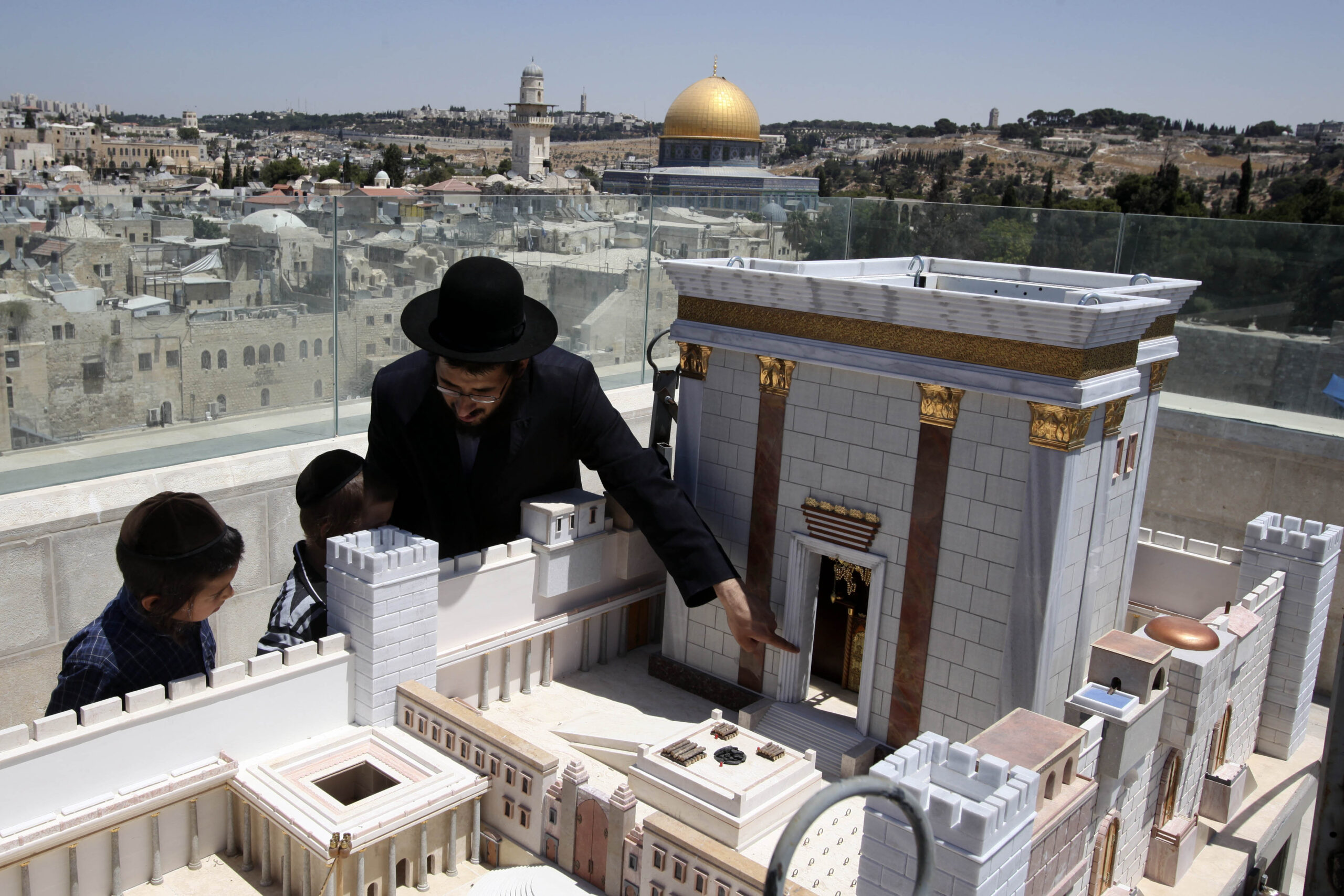
The rabbis debate the necessity of a Temple where God’s presence would rest. Some argued this was a concession to Israel who, after experiencing Sinai said, ‘give us a Temple where we can feel this overt miraculous nature of You at all times’. God responded, ‘Can I be constricted to four walls, and a roof, do I need bread, light and an altar for daily sacrifices?’ They responded that ‘it is true that You God do not need it, but we do’! ‘At least a small measure of God’s beneficence, at least one place where we can feel the divine’.
In writing from the Jewish tradition, the midrash concludes with God relenting but stressing caution as human beings will ultimately take even that for granted. The second half of Exodus describes the command, planning, designing, and building of this Temple which would house the presence of God, in hope that Israel would learn how to live a natural existence while being aware constantly that the presence of God is very close.
Lessons from this story relate to our experiencing the tension with finding God in the world outside of ourselves, vs. feeling God’s presence inside each and every one of us. If we are truly created in the image of God, He is there all along and we should be able to shut out the distractions of the world around us and feel the spirit of God within all of us as we continue our journey in this world.
The Amidah’s prayer of gratitude serves as a daily reminder of this profound truth. By acknowledging both the miracles within us and the wonders that surround us, it encourages a state of constant awareness of the divine presence in our lives. This practice helps bridge the gap between the extraordinary supernatural occurrences and the seemingly ordinary blessings of daily life, reminding us that in essence, all of existence is miraculous.
Through this thrice-daily recitation, Jews are encouraged to cultivate a mindset of gratitude and wonder, recognizing the hand of God in both the spectacular and the mundane. It challenges us to see beyond the surface of our daily experiences and to appreciate the miraculous nature of life itself. In doing so, it helps us maintain a connection to the divine, even as we navigate the natural world, reminding us that the presence of God is not confined to rare supernatural events but is a constant reality in every aspect of our existence.

Discussion0
No comments yet — be the first to share your thoughts.