IDF Chief Visits Washington, Deepening Israel–U.S. Coordination as Iran Issues Stark Warning
Israel and the United States are intensifying their security coordination amid rising regional tensions with Iran, even as Tehran issues explicit threats warning against any American military action. The IDF Chief of Staff, Lt. Gen. Eyal Zamir, carried out a discreet working visit to the United States over the weekend, a trip that was only

Israel and the United States are intensifying their security coordination amid rising regional tensions with Iran, even as Tehran issues explicit threats warning against any American military action.
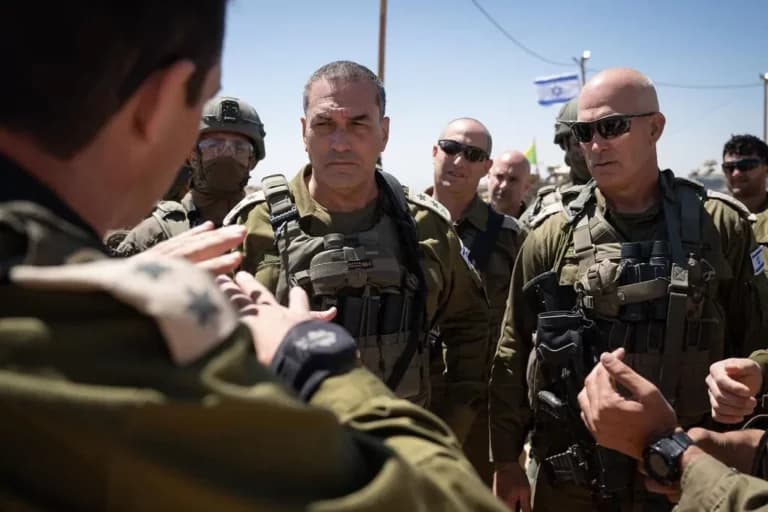
The IDF Chief of Staff, Lt. Gen. Eyal Zamir, carried out a discreet working visit to the United States over the weekend, a trip that was only cleared for publication today (Sunday) by Israel’s military censor. The visit took place at an especially sensitive moment, against the backdrop of escalating friction with Iran and ongoing regional developments.
Zamir traveled to Washington with a small delegation of senior IDF officers, including Maj. Gen. Hidai Zilberman, head of the Planning Directorate and until recently Israel’s military attaché to Washington; Brig. Gen. “M,” head of the Operations Division in the Intelligence Directorate; and Brig. Gen. Amit Adler, head of the IDF’s International Cooperation (Tevel) Division.
The discussions in Washington follow directly on last week’s high-level meeting in Tel Aviv between Zamir, the IDF General Staff, and U.S. Central Command (CENTCOM) Commander Admiral Brad Cooper. That meeting focused on joint preparedness, with an emphasis on defensive coordination and contingency planning for a possible military confrontation with Iran.
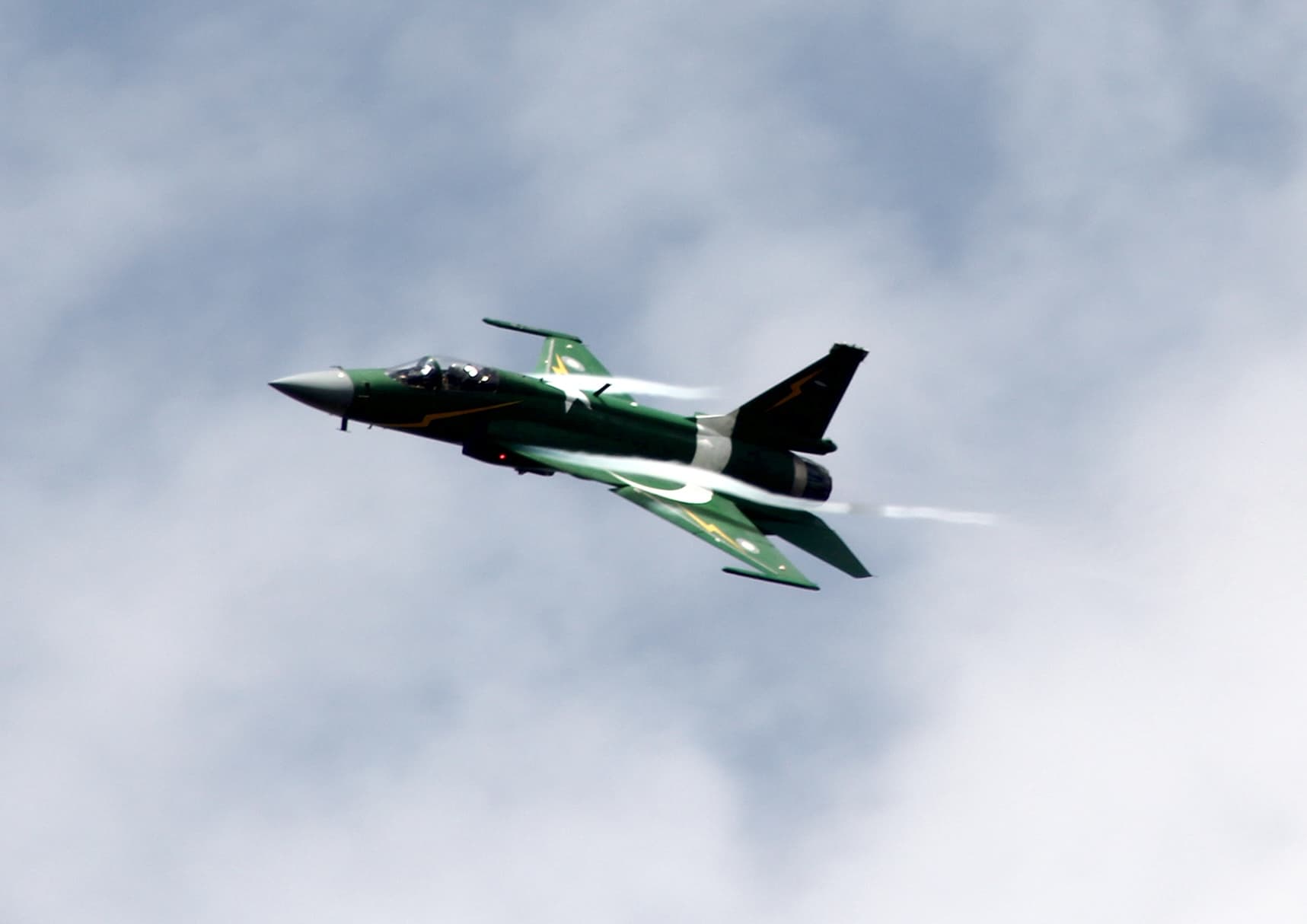
At the same time, the United States has continued to bolster its military presence in the Middle East and the Persian Gulf. In recent days, an air-defense battery was deployed to Jordan, advanced fighter jets and reconnaissance aircraft were transferred to the region, and large-scale exercises have been conducted across air, naval, and air-defense arenas. These moves are widely seen as a show of force directed at Iran and as preparation for close cooperation with regional allies, including Israel.
Waiting for President Trump’s Decision
Despite the close coordination and visible American military buildup, Israeli officials say it remains unclear whether President Donald Trump has made a final decision regarding a potential strike on Iran. Still, recent U.S. actions have strengthened assessments in Jerusalem that Washington may be approaching a point of no return.

Key questions remain unanswered: the scope of any potential strike, its timing, and whether it would be limited to specific targets or expanded further.
According to Israeli assessments, President Trump does not view a limited military operation as a means to topple the Iranian regime. Therefore, if action is approved, it would likely focus on tangible strategic assets – primarily Iran’s nuclear facilities and its ballistic missile infrastructure. Israeli officials estimate that such an attack would almost certainly provoke an Iranian response, possibly including direct action against Israel.
Meanwhile, several regional actors, including Saudi Arabia, Turkey, Qatar, and Oman, are exerting heavy pressure to prevent escalation. Behind the scenes, however, Saudi officials have reportedly taken a more hawkish position, arguing that American restraint would only strengthen the Iranian regime.
Iran Warns America
Against the backdrop of these developments, Iran’s Supreme Leader, Ayatollah Ali Khamenei, issued a stark warning to the White House on Sunday, amid reports of renewed diplomatic contacts and increased U.S. military presence in the region.
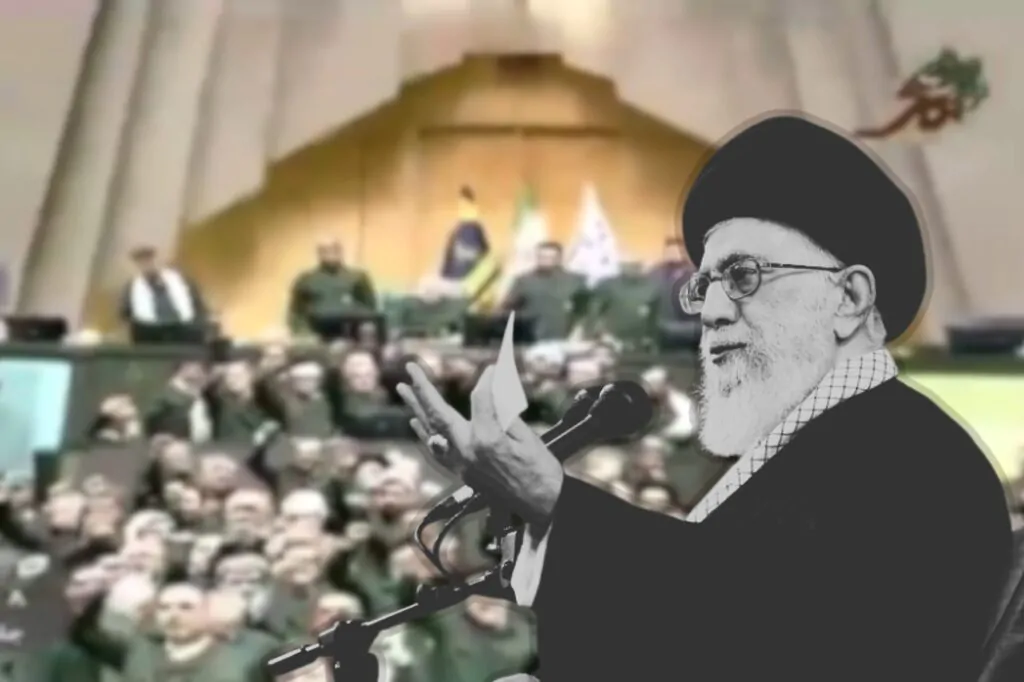
In a speech broadcast by Iranian state media—and echoed in a rare Hebrew-language post on social media—Khamenei cautioned President Trump that any attack on the Islamic Republic would quickly spiral into a wide-ranging regional conflict.
“America must know that this time it will be a regional war,” Khamenei declared.
He dismissed Washington’s recent military gestures, including the deployment of aircraft carriers and fighter jets, claiming they were intended to intimidate the Iranian public. “We are not the ones who will start a war, and we have no interest in attacking any country,” he said—before adding a clear warning: “The Iranian nation will deliver a strong punch to anyone who attacks or harasses it.”
Khamenei also addressed Iran’s internal challenges, describing the recent wave of unrest as an attempted coup aimed at undermining state institutions and religious authority. According to him, protesters deliberately targeted police stations, banks, and Revolutionary Guard facilities, but the regime succeeded in suppressing the unrest and preserving stability.
Echoing this message, Ahmad Vahidi, deputy commander of the Islamic Revolutionary Guard Corps and former interior minister, struck a firm tone. He claimed Iran’s military readiness is higher than it was during the brief 12-day conflict in the past, and argued that American troop movements are primarily psychological warfare designed to manufacture a sense of imminent conflict.
“Our enemies are trying to impose a reality of confrontation,” Vahidi said.
Members of Iran’s parliament were also seen wearing Revolutionary Guard uniforms while chanting slogans against Israel and the United States—another calculated display meant to project unity and resolve.
مذاکره؟!
امروز در طویلهی مجلس: pic.twitter.com/hvBGfWEb0b
— Pouria Zeraati (@pouriazeraati) February 1, 2026
Alongside its blustering rhetoric, Iran is grappling with a deepening economic crisis and the continued weakening of its currency, increasing pressure on the leadership in Tehran. In recent weeks, a series of explosions and safety incidents have been reported in southern Iranian cities. Authorities have attributed them to gas leaks and technical malfunctions, but public speculation and suspicion continue to grow.
Israel Stands Ready
Israel, for its part, is preparing for the possibility of rapid escalation. Last week, Prime Minister Benjamin Netanyahu delivered a sharp public message to Tehran, warning that any attack on Israel would be met with an exceptionally severe response.
This morning, a senior military official interviewed on Israeli radio said Israel cannot come to terms with Iran’s current missile capabilities. He stressed that within Israel’s defense establishment, the Iranian threat is not viewed as one that can be reduced solely to the nuclear issue.
According to the interviewed official, Tehran already possessed approximately 2,000 missiles during Operation “Rising Lion”. Since the strikes, he said, Iran has resumed production and significantly expanded its missile array. He added that Iran today has the capability to launch dozens of missiles simultaneously, meaning that any effort to reduce the threat must address not only warheads or missile technology, but also the launch infrastructure itself.
An “effective strike”, then, would require a broad strategic approach. Addressing Iran’s nuclear program alone, without confronting its missile capabilities, could leave Tehran with a powerful offensive deterrent that poses a direct threat to Israel’s civilian home front. Even when Israeli interception systems perform well, Iran’s missile arsenal poses a direct threat to Israeli civilians.
That civilian home front have already withstood hostile action from Iran. During the major strikes in June 2025, hundreds of ballistic missiles and drones were fired at Israeli population centers, causing dozens of deaths, hundreds of injuries, and significant property damage in cities such as Tel Aviv, Haifa, Petah Tikva, and Bat Yam; residential buildings, infrastructure and even a major scientific institute in Rehovot were struck, and a missile hit the Soroka Medical Center in Be’er Sheva, disrupting vital health services.
Yet throughout these trials, the people of Israel continue to stand strong—resilient in spirit and united in resolve. In the face of uncertainty and threat, they hold fast to what has sustained their nation through countless dangers: trust in the Lord’s steadfast protection. “The Lord is my rock, my fortress and my deliverer; my God is my rock, in whom I take refuge” (Psalm 18:2, NIV).
Discussion0
No comments yet — be the first to share your thoughts.