Hezbollah Pager Attack Left Nasrallah Broken, Brother-In-Law Says
Wafiq Safa said the Hezbollah pager attack left Hassan Nasrallah unable to cope, claiming he stopped eating and would have died of grief

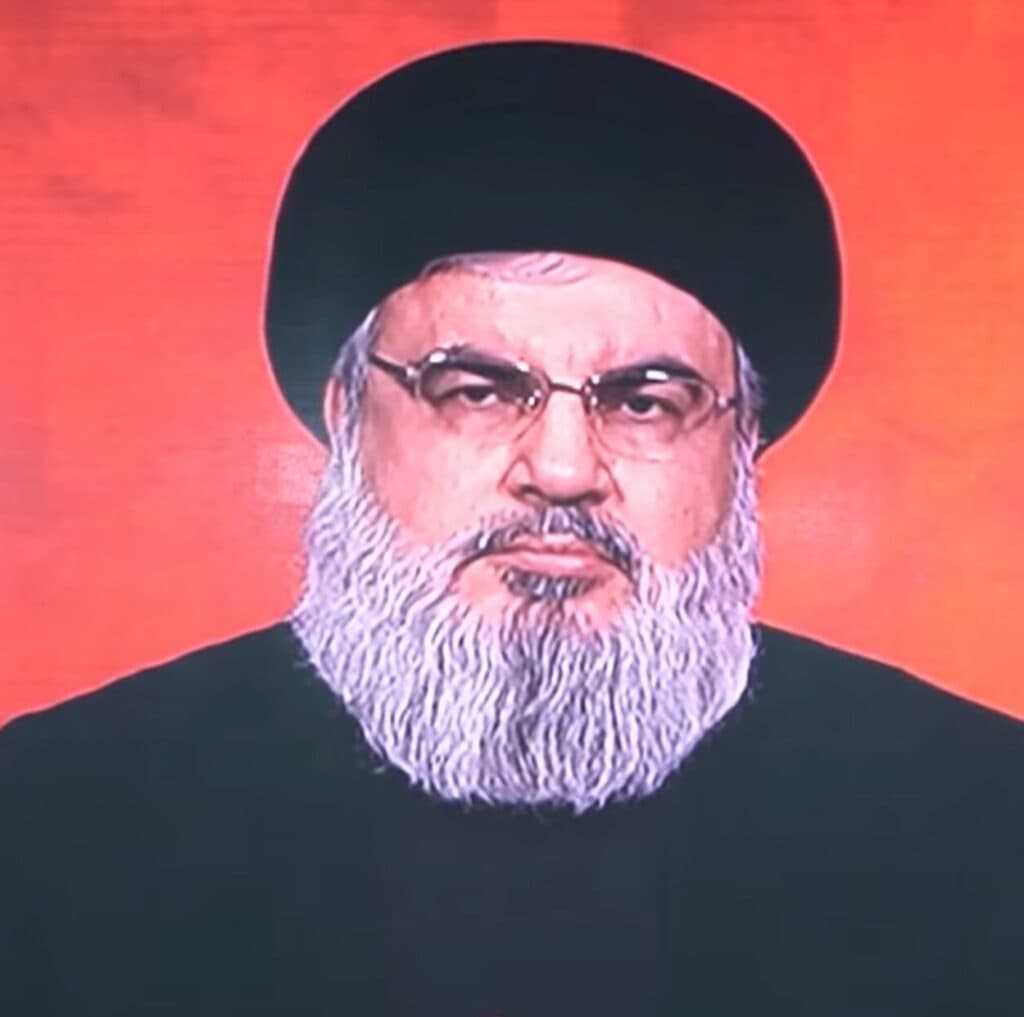
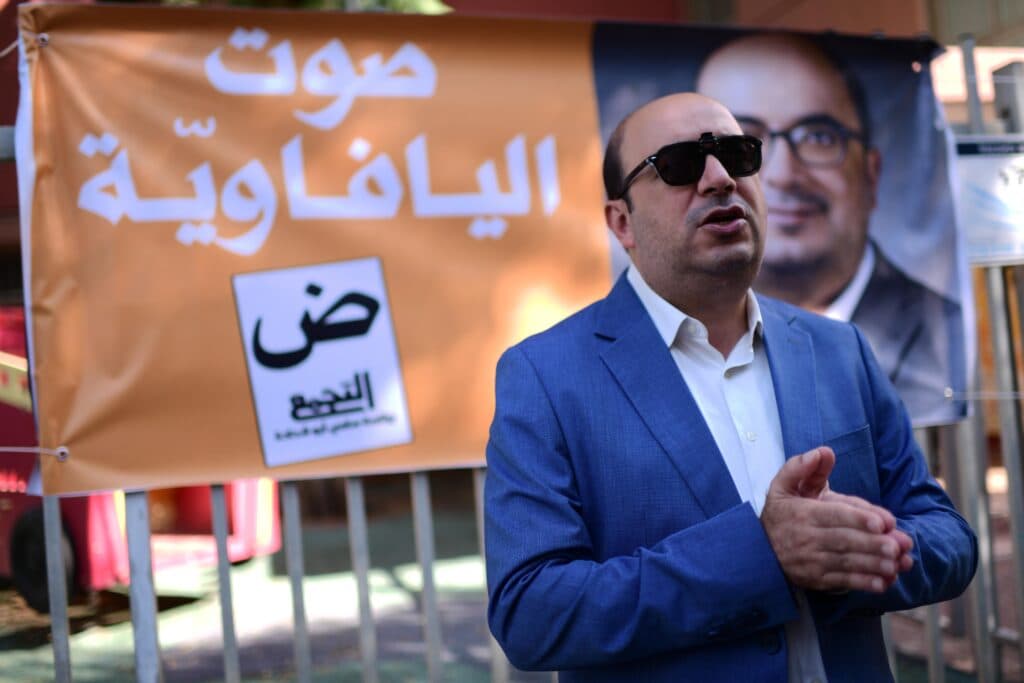
The Hezbollah pager attack left Hassan Nasrallah mentally shaken, according to Wafiq Safa, a senior Hezbollah official and Nasrallah’s brother-in-law.
Safa said in an interview last night that Nasrallah could not cope with the scenes of wounded Hezbollah members after the attack. According to Safa, the incident affected Nasrallah so deeply that he stopped eating and barely agreed to drink.
The Tanakh warns in Proverbs 16:18, “Pride goes before ruin, and arrogance before failure.” For decades, Hezbollah built an image of power, intimidation, and untouchable leadership. Safa’s comments suggest that the pager attack shattered that image from the inside.
Hezbollah Pager Attack Shock
“Nasrallah could not handle the scenes of the wounded,” Safa said. “He stopped eating and barely agreed to drink.”
Safa then added a striking claim: “If Israel had not eliminated him, he would have died of grief.”
His remarks described the pager attack as a psychological and organizational blow unlike anything Hezbollah had previously experienced. Safa said that “everything that happened in the 40 years before the pager attack is one thing, but the pagers were something else entirely.”
Hezbollah’s Image Of Strength Cracks

For Israel, the significance of Safa’s comments goes beyond one man’s emotional state. Hezbollah has long tried to project strength while threatening Israeli civilians and embedding itself along Israel’s northern frontier.
Lebanese President Joseph Aoun has also pushed back against the idea that armed factions can speak for the state. In “Lebanese President: No One Negotiates On Lebanon’s Behalf,” Aoun stressed Lebanon’s sovereignty and made clear that national decisions must belong to Lebanon itself, not to forces operating outside state authority.
That sovereignty question is directly tied to Israel’s continued security posture in Lebanon. As covered earlier in “JD Vance: Israel Staying In Lebanon Over Hezbollah Threat,” the issue is not symbolism, but the ongoing threat Hezbollah poses from across the border.
Israel’s enemies often rely on fear, propaganda, and the illusion of inevitability. However, Safa’s account presents a different picture: a terror leader shaken by the consequences of the war he helped lead.
Deterrence And Moral Clarity
The Hezbollah pager attack, according to Safa’s own description, struck the terror group not only operationally, but psychologically. It exposed the gap between Hezbollah’s public confidence and its internal vulnerability.
For Israelis, that matters. A sovereign nation has the right and duty to defend its people against terror armies. When deterrence works, it does more than damage weapons. It breaks the false confidence of those who believed Jewish blood could be targeted without consequence.
For more stories on Israel, faith, and the values behind the headlines, follow Sinai on Facebook and Instagram.
Discussion0
No comments yet — be the first to share your thoughts.