Israeli Foreign Minister: Hamas Wants A “Hezbollah Model” In Gaza
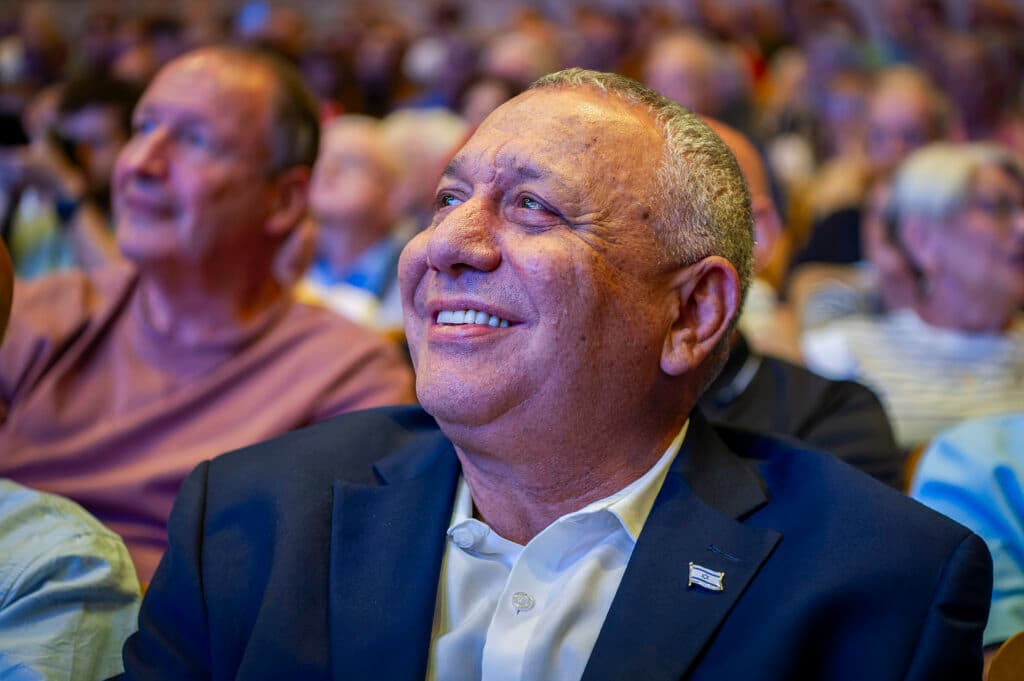
Foreign Minister Gideon Sa’ar warned that Hamas’s technocratic government proposal aims to preserve its weapons and copy Hezbollah’s model in Gaza

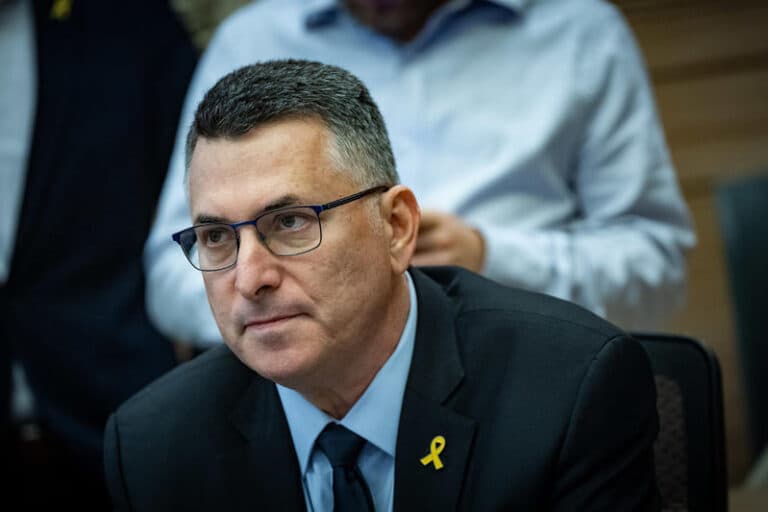
Foreign Minister Gideon Sa’ar warned that Hamas’s technocratic government proposal is a maneuver designed to prevent the terror group’s disarmament.
Sa’ar presented Israel’s official position after Hamas announced its willingness to hand over the administration of the Gaza Strip to a technocratic committee.
“Hamas’s maneuver is simple,” Sa’ar said.
According to Sa’ar, Hamas’s supposed willingness to “make room” for a technocratic government is meant to block the central demand of Israel and the Trump Plan: the disarmament of Hamas.
The Tanakh says, “You shall not follow the many to do evil.” That warning matters in moments when diplomatic language can hide a dangerous reality. A new civilian structure cannot bring peace if terror remains armed behind it.
Hamas Hezbollah Model
Sa’ar said Hamas is trying to copy the “Hezbollah model” in Gaza.
Under that model, a technocratic government would handle garbage collection and other municipal services. Meanwhile, Hamas would remain the dominant military force.
“As long as Hamas holds onto its weapons,” Sa’ar said, “it is clear that any civilian government would, in practice, operate according to its dictates.”
That is the core Israeli objection.
Israel does not oppose civilian administration in Gaza. Israel opposes a structure that lets Hamas keep its guns, tunnels, command networks, and terror infrastructure while others handle public services.
Sa’ar said such a model would allow Hamas to continue oppressing Palestinians in Gaza while also continuing its jihad war against Israel.
Israel’s Red Line On Gaza
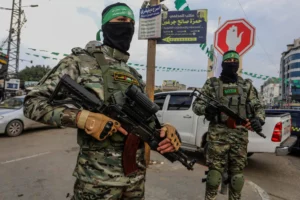
This is the direct follow-up to “Hamas-Run Gaza Authorities Move To Transfer Governance.” Hamas-run Gaza authorities announced steps to transfer governance to a national committee, creating a possible opening for Israel, the U.S., and postwar Gaza policy.
Sa’ar’s response now defines the Israeli test for that opening.
The question is not whether Hamas changes the nameplate on Gaza’s civilian offices. The question is whether Hamas gives up power.
Israel insists on the full implementation of the Trump Plan. Sa’ar said its fundamental principles are the disarmament of Hamas and all other terrorist organizations, along with the complete demilitarization of the Gaza Strip.
For Israel, this is not a technical disagreement. It is the lesson of October 7. A terror army cannot remain armed next to Israeli communities and then claim that civilian governance has changed the reality.
For the United States, the issue is also serious. A U.S.-backed postwar plan cannot succeed if American diplomacy creates a civilian cover for Hamas rule.
Washington needs a Gaza framework that delivers aid, reconstruction, and administration without preserving a terrorist army under the surface.
A Shared Moral Calling
For Israel, Sa’ar’s warning protects the basic demand that Hamas cannot survive the war as Gaza’s armed ruler.
For America, it protects the credibility of the Trump Plan. If Hamas can keep its weapons while a technocratic committee handles municipal services, then the plan would reward Hamas with survival instead of requiring defeat.
The United States and Israel also share a covenantal understanding before God. Both nations, at their best, see liberty as a moral calling, not only a political system.
In this story, that shared calling means refusing to confuse bureaucracy with freedom. It means recognizing that civilians in Gaza cannot live freely under an armed terror group, and Israeli families cannot live safely beside one.
For Israel, that duty includes defending Jewish life and preventing Hamas from rebuilding the machinery of October 7. For America, it includes standing behind a postwar policy that demands demilitarization, protects allies, and denies terrorism a political disguise.
Sa’ar’s message is therefore clear: a technocratic committee may help Gaza only if Hamas disarms. Without that, Gaza would not become post-Hamas. It would become another Lebanon, where civilian institutions exist under the shadow of a terror army.
For more stories on Israel, faith, and the values behind the headlines, follow Sinai on Facebook and Instagram.
Discussion0
No comments yet — be the first to share your thoughts.