Fidan Says Israelis Are “A Burden Humanity Cannot Bear”
Turkish Foreign Minister Hakan Fidan said Israelis have become “a burden humanity cannot bear,” raising new concerns for Israel, America, and NATO policy toward Turkey

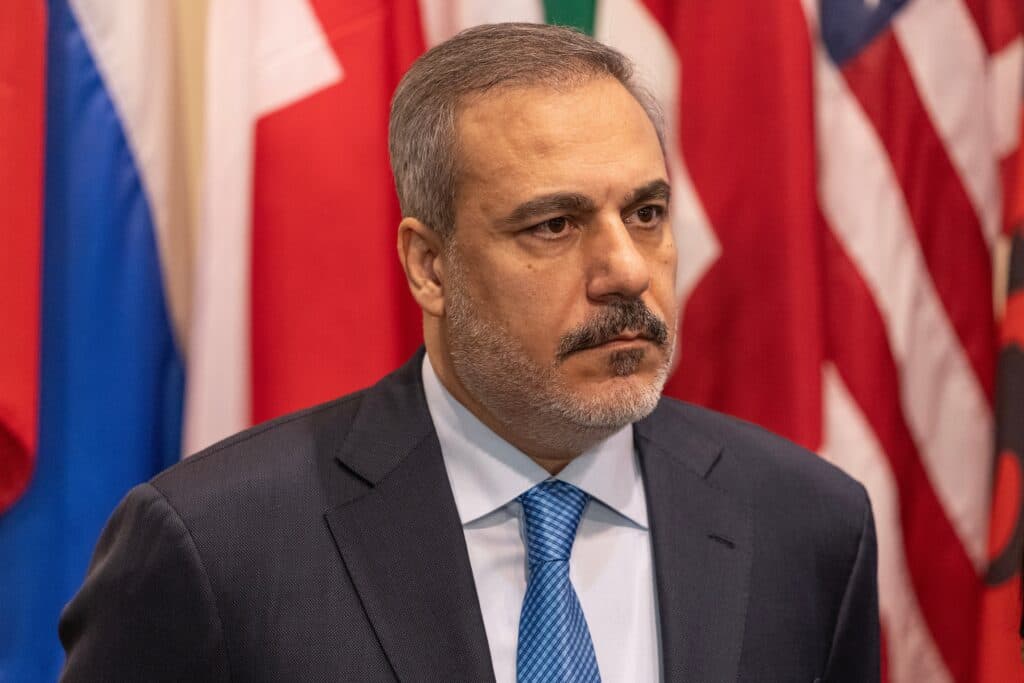
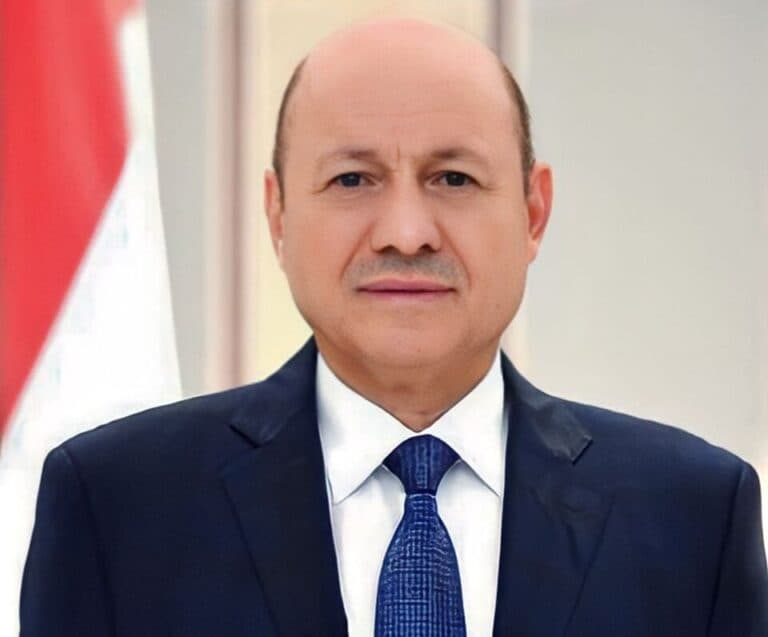
Turkish Foreign Minister Hakan Fidan escalated his rhetoric against Israel in an interview with CNN Turkish, saying that “the people in Israel have become a burden that humanity can no longer bear.”
Fidan said Israel is not only Turkey’s problem and not only President Recep Tayyip Erdoğan’s concern.
“The only difference is that President Erdoğan is the one who openly says that what is wrong is wrong,” Fidan said. “That is a separate matter, and something humanity itself needs to think about.”
The Tanakh warns, “Woe to those who call evil good and good evil.” That warning speaks directly to moments when political leaders turn Israel’s defense against terror into a global accusation against the Jewish state.
Hakan Fidan Attacks Israel
Fidan claimed that many governments understand the issue but do not say it publicly.
“People whisper it behind closed doors, and from time to time they also say it openly,” he said. “This is a problem for all of humanity. That’s what it should be called.”
He then used even sharper language.
“These people have become a burden that humanity can no longer bear,” Fidan said. “With this policy and this way of thinking, humanity cannot bear this burden.”
He continued by claiming that human conscience, political systems, and economic systems can no longer “contain” Israel.
“No matter what framework you use to look at things, there is no parameter by which it is possible to continue bearing these people,” Fidan said.
The language is severe because it does not only criticize a policy. It frames Israelis themselves as a burden on humanity.
Turkey, Sanctions And U.S. Policy
Fidan also called on the international community to act against Israel.
“That is why we always say to the international community, when they ask me: ‘Why are you making this your concern?’ Maybe I am the only country that can say this out loud, but this is a problem for all of you,” he said.
He added that if other countries expect Turkey to solve the issue alone, then “everyone must stand up, take a diplomatic stance, and impose the necessary sanctions on these people.”
For Israel, the implications are clear. Turkey is not only criticizing Israeli policy. Ankara is trying to internationalize pressure against Israel while positioning itself as the voice of global conscience.
For the United States, Fidan’s remarks raise a strategic question. Turkey remains a NATO member, but its Israel policy increasingly clashes with the U.S.-Israel alliance and with America’s commitment to Israel’s security.
That concern also appeared in “Trump Turkey Engine Deal Raises Security Concerns.” The Trump administration is advancing a $700 million aircraft engine sale to Turkey, raising concerns over Ankara’s S-400 system, Israel policy, and NATO security.
Those concerns become sharper when senior Turkish officials speak about Israelis in terms that dehumanize an entire people.
A Shared Moral Calling
The United States and Israel also share a covenantal understanding before God. Both nations, at their best, see liberty as a moral calling, not only a political system.
That shared belief includes faith in divine promise, the dignity of human life, and the duty to stand with those who refuse to surrender to terror, tyranny, or antisemitism.
For Israel, that duty includes defending Jewish life in the land promised to the Jewish people. For America, it includes using strength to protect freedom and stand with allies who carry that same moral burden.
Fidan’s remarks therefore matter beyond one interview. They show why America must judge Turkey not only by its NATO status, but by its conduct, alliances, and rhetoric toward Israel.
Ultimately, Israel is not a burden on humanity. Israel is a frontline democracy fighting terror, defending Jewish life, and refusing to let its enemies define the moral language of the world.
For more stories on Israel, faith, and the values behind the headlines, follow Sinai on Facebook and Instagram.
Discussion0
No comments yet — be the first to share your thoughts.