Graham On Hezbollah Fire: What Would The U.S. Do?
Senator Lindsey Graham defended Israel’s response to Hezbollah fire, asking what the United States would do if American towns faced the same threat

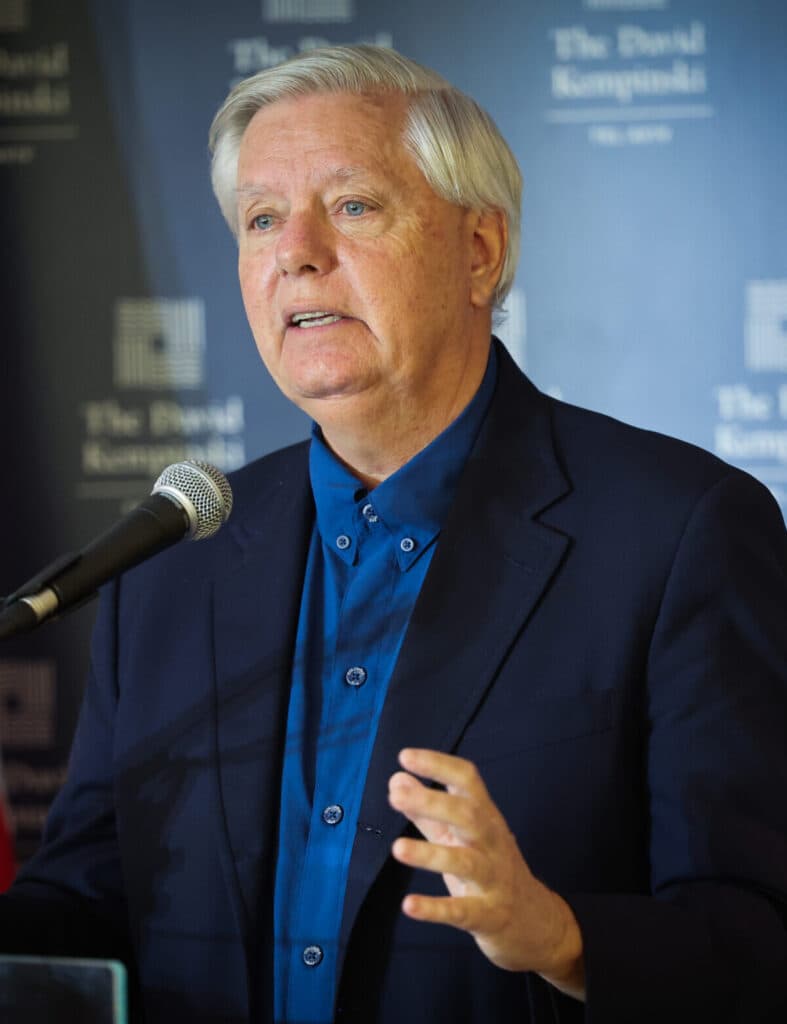
Republican Senator Lindsey Graham addressed Hezbollah rocket fire toward Israel, arguing that the United States should view Israel’s security reality through the same standard it would apply to itself.
Graham said Hezbollah has not stopped attacking Israel since the latest ceasefire. He pointed to the relentless fire from Lebanon and the evacuation of areas in northern Israel.
Graham Defends Israel’s Position
“Since the last ceasefire, Hezbollah has not stopped attacking Israel,” Graham wrote. “The relentless attacks have even led to the evacuation of areas in northern Israel.”
His question was direct: What would the United States do if American towns faced the same reality?
Israel has lived with that question for years along its northern border. Families have been displaced, communities have been threatened, and Hezbollah continues to use Lebanon as a launchpad against the Jewish state.
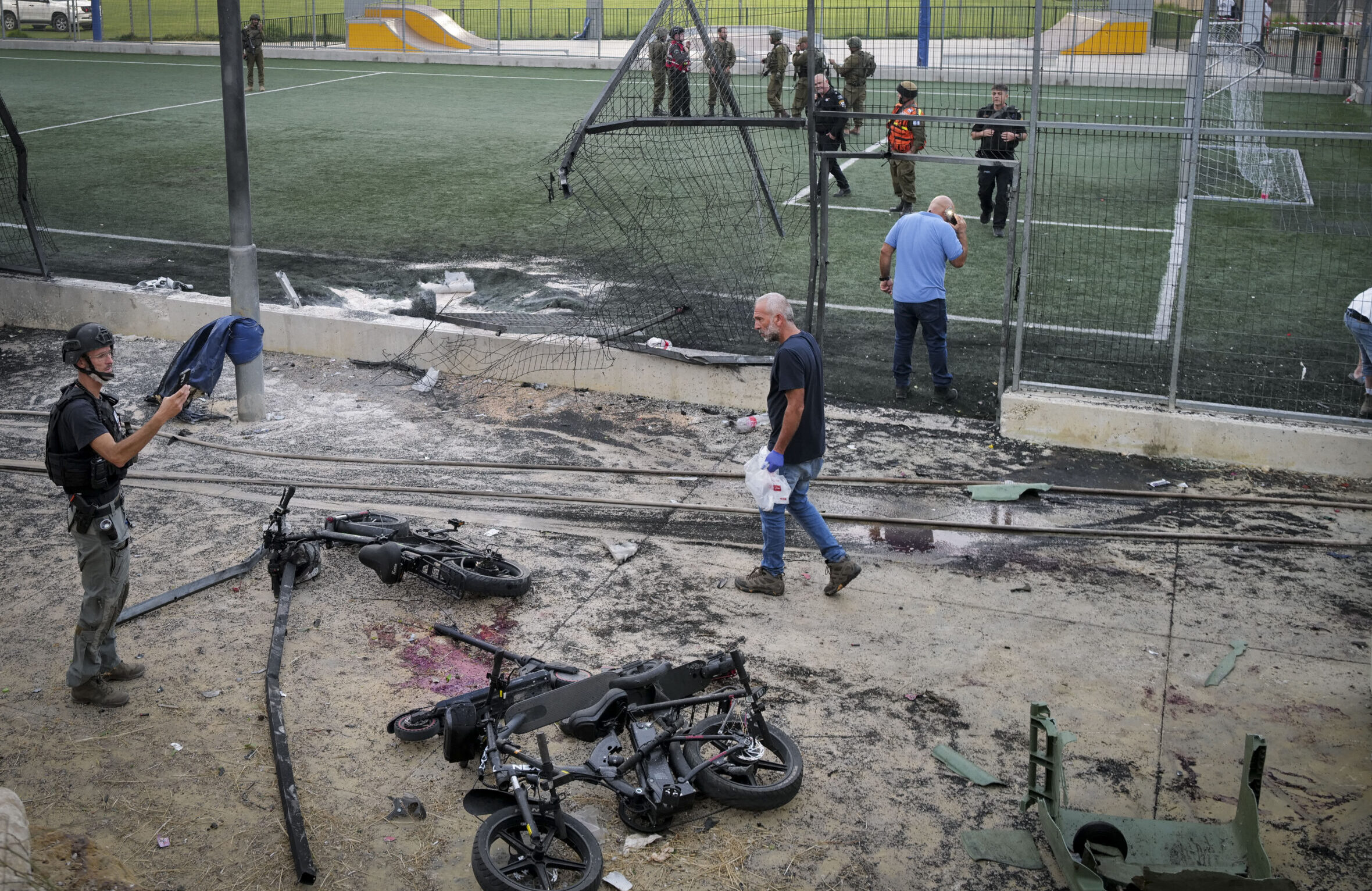
The image from Majdal Shams shows why Graham’s question matters. Hezbollah’s attacks are not abstract border incidents. They reach real communities, real families, and civilian spaces that should never become targets of an Iranian-backed terror army.
Hezbollah And Iran
Graham also tied Hezbollah directly to Iran.
“Hezbollah is funded and operated by Iran, and has much American blood is on its hands,” he wrote.
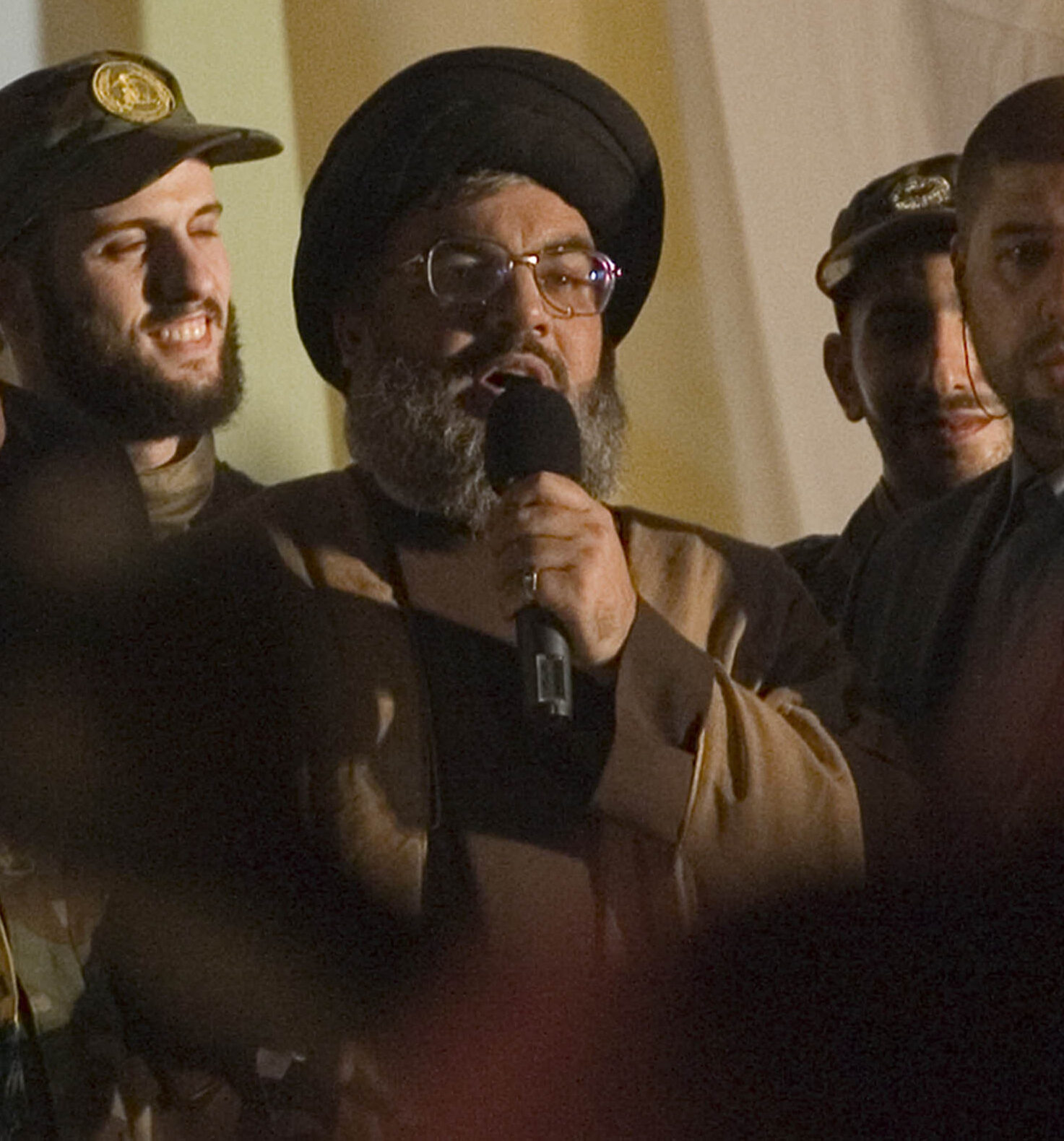
That point sits at the center of the U.S.-Israel alliance. Hezbollah is not only an Israeli problem. It is part of Iran’s wider terror network, which has targeted American interests, Israeli civilians, and regional stability for decades.
Israel responded by striking Hezbollah targets in Beirut’s Dahiyeh neighborhood after Hezbollah fired projectiles toward northern Israel, in what the IDF described as a violation of the ceasefire.
For Graham, that sequence underscored the central issue: Israel is not responding to isolated incidents, but to an Iranian-backed force that keeps testing the limits of agreements while threatening Israeli civilians.
A Shared Security Interest
Graham warned that no agreement with Iran changes Hezbollah’s core ambitions.
“It is clear to me that no matter what agreement we sign with Iran, Hezbollah’s declared ambitions to destroy Israel and turn Lebanon into a caliphate have not fundamentally changed,” he wrote.
His message comes as Israel continues to confront Hezbollah fire from Lebanon. Reuters also reported that Hezbollah rejected a ceasefire plan agreed by the Lebanese and Israeli governments in U.S.-mediated talks.
Graham ended with a prayer for both allies: “May God protect the United States, and may God protect the State of Israel.”
For Israel, the issue is not theoretical. A sovereign country cannot accept rocket fire on its towns. Graham’s statement placed that reality in American terms: no democracy would tolerate an Iranian-backed terror army turning part of its country into an unlivable border zone.
Discussion0
No comments yet — be the first to share your thoughts.