

Photo: Shutterstock
Family Obligations
The mitzvah of honoring parents extends beyond immediate parents, encompassing grandparents and older siblings, though with varying degrees of obligation. Jewish law recognizes profound responsibilities towards family members both during life and after death.
Unlike many Western cultures where grief is often a private matter with minimal formal structure, Jewish mourning practices are highly structured and communal. These practices are designed not only to honor the deceased but also to provide a supportive framework for the bereaved, guiding them through the difficult process of loss and grief.
The mourning process for parents is particularly intricate, consisting of three distinct stages: seven days (‘Shiva‘), thirty days (‘Shloshim‘), and one full year. During the initial seven-day Shiva period, mourners must remain at home, and sit on the floor (or a low chair) as they receive visitors who offer consolation. They are also prohibited from working, showering for pleasure, martial relations, shaving, wearing new or freshly laundered clothing, greeting people in a normal joyous manner and studying Torah. Following this intense initial mourning, restrictions continue regarding activities like haircuts, wedding attendance, and the ritualistic recitation of Kaddish (prayer for the deceased).
These mourning practices apply not just to parents, but to the entire nuclear family, including siblings, spouse, and children. While the mourning intensity varies, the fundamental principle remains consistent: acknowledging loss and providing a structured path for grief and remembrance.
Family Bonds and Spiritual Significance
At its core, Judaism views family as a sacred unit that naturally engenders love, respect, and mutual responsibility. The intricate system of mitzvas and obligations serves to reinforce these familial connections, especially when individuals might feel disconnected from their inherent family bonds. By establishing clear guidelines for honoring and mourning family members, Jewish tradition ensures that familial relationships are not left to chance but are actively cultivated and respected. This approach reflects the broader Jewish concept of tikkun olam (repairing the world), starting with the foundational unit of society: the family.
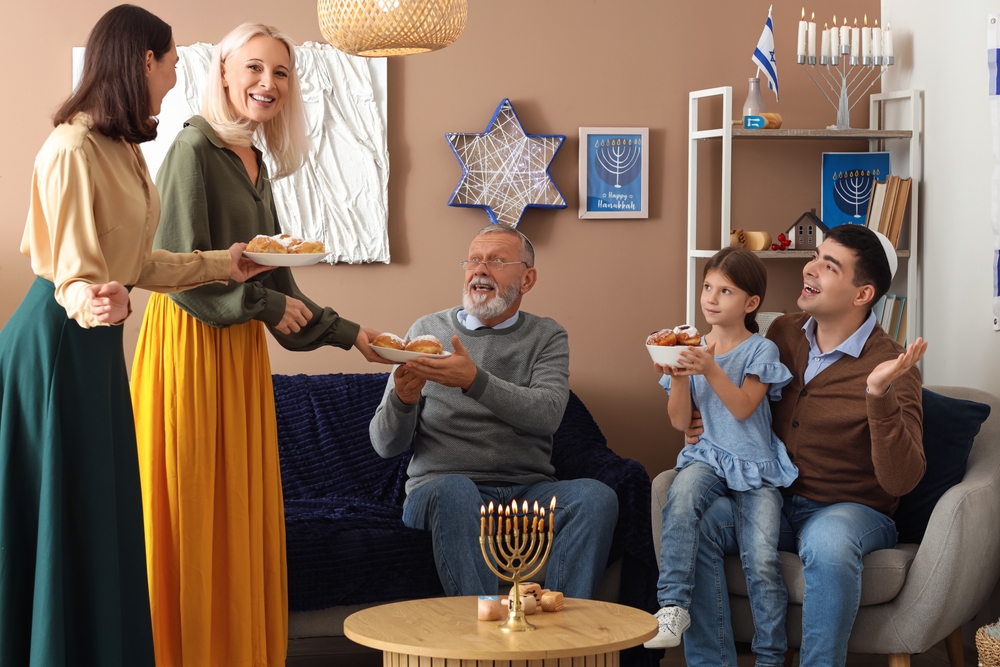
The family unit in Jewish tradition is characterized by three distinct types of love, each representing a unique bond:
Parental Love: This is the love parents have for their children. It’s rooted in the biological connection, as parents physically create the child with God’s help. This love is instinctive and deeply ingrained, reflecting the parents’ role as co-creators with the Divine.
Filial Love: This encompasses a child’s love for their parents and, by extension, for blood relatives. It’s fundamentally based on gratitude and an unbreakable bond. This connection is permanent; one cannot resign from family. Jewish law recognizes this through specific commandments and benefits related to family relationships, forming the second dimension of familial love.
Spousal Love: The relationship between husband and wife introduces a new type of love—voluntary love. Unlike the previous bonds, which are predetermined by birth, spouses choose each other willingly. They enter into a relationship of mutual obligation and benefit, not due to a blood connection, but because of a deep, intense connection that transcends other individual relationships.
This tripartite understanding of familial love in Jewish thought highlights the complexity and richness of family bonds, emphasizing both the innate and chosen aspects of family relationships.
The family unit is an essential force in the Jewish world, as it creates a foundation of nationhood—tribes built from families joining together to become one. The Torah while recognizing the natural inclination that family members have towards each other nevertheless obligates us to see this higher level of connection from the rest of the community and to engage in mitzvot specifically for the family in order to strengthen that family unit in Israel.

Discussion0
No comments yet — be the first to share your thoughts.