Defense Minister Katz: Israel Eliminated Khamenei
Defense Minister Israel Katz said Israel eliminated Ali Khamenei and condemned “Death to Trump” chants, warning Iran’s next leaders against threatening Israel

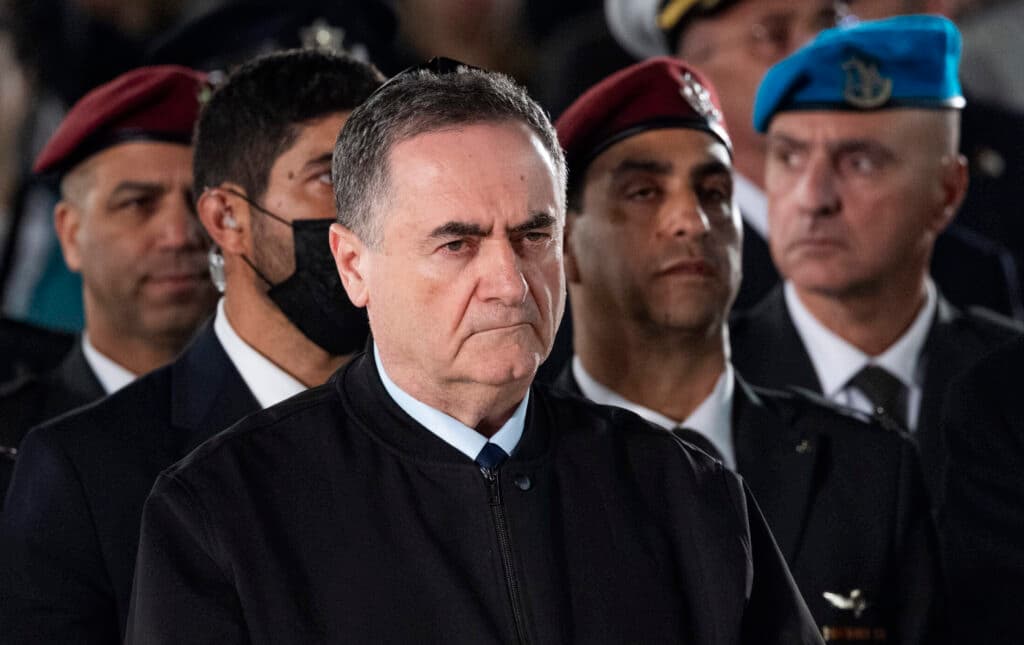
Israel Katz Khamenei remarks placed the credit for the elimination of Iran’s former supreme leader squarely on Israel.
Defense Minister Israel Katz said Ayatollah Ali Khamenei, whose funeral is taking place now, “was eliminated by Israel” because he initiated and led the plan to destroy Israel from Iran and across the region.
“The destroyer has been destroyed,” Katz said.
He added that any Iranian leader who again tries to advance plans to destroy Israel “will also be thwarted.”
The Tanakh says, “Whoever digs a pit will fall into it.” Katz’s message follows that same logic. A leader who built his strategy around Israel’s destruction ultimately met the force of Israeli defense.
Israel Katz Khamenei Warning
Katz’s statement was not only about the past. It was also a warning to Iran’s next leaders.
His message was direct: Israel will not allow an Iranian ruler to rebuild the same plan under a new name, new face, or new funeral language.
That matters because Iran’s threat never existed only in Tehran. It spread through Hezbollah in Lebanon, Hamas and Islamic Jihad in Gaza, the Houthis in Yemen, and militias across the region.
For Israel, Khamenei represented the head of that system. His elimination, according to Katz, was a strategic act against the architect of a regional campaign to destroy the Jewish state.
“Death To Trump” Exposes The Regime

Katz also condemned the chants of “Death to Trump” during Khamenei’s funeral.
“The chants of ‘Death to Trump’ during the funeral are a disgrace,” Katz said. He added that they reveal “the true nature of the Ayatollah regime, beyond the cloaks and smiles.”
That point matters for the United States as much as Israel.
Iran’s regime does not only threaten Jerusalem. It has spent decades chanting against America, targeting U.S. forces, threatening American leaders, and using diplomacy while continuing hostility.
The funeral chants therefore expose the same reality Israel has warned about for years. Behind official language, negotiations, and staged mourning, the regime still defines itself through death threats against America and Israel.
That warning connects directly to “Iran Says Ceasefire Builds Its Combat Power.” Iranian Army spokesman Mohammad Akraminia said Iran is using the ceasefire to strengthen combat capabilities, raising concerns for the United States and Israel.
Together, the two messages tell the same story. Iran’s leaders speak of ceasefire, but prepare for war. They hold funerals, but chant for death. They talk through diplomats, but build their next strike.
A Shared Moral Calling
For the United States, Katz’s statement should sharpen the lesson of the funeral. A regime whose crowds chant “Death to Trump” cannot be treated as a normal partner without serious conditions, verification, and pressure.
For Israel, the lesson is existential. Iran’s next leadership may change its language, but Israel must judge it by its actions: missiles, proxies, nuclear ambitions, and the continued goal of destroying the Jewish state.
The United States and Israel also share a covenantal understanding before God. Both nations, at their best, see liberty as a moral calling, not only a political system.
In this story, that shared calling means recognizing evil when it names both America and Israel as enemies. It means refusing to let smiles, funerals, or diplomatic gestures hide a regime built on threats, terror, and annihilationist language.
For Israel, that duty includes defending Jewish life in the land promised to the Jewish people. For America, it includes standing with Israel, protecting U.S. leaders and forces, and ensuring that diplomacy does not reward a regime that openly chants for America’s destruction.
Katz’s message was therefore more than a statement of credit. It was a strategic warning: Israel acted once against the head of the threat, and it will act again if Iran’s next leader chooses the same path.
For more stories on Israel, faith, and the values behind the headlines, follow Sinai on Facebook and Instagram.
Discussion0
No comments yet — be the first to share your thoughts.