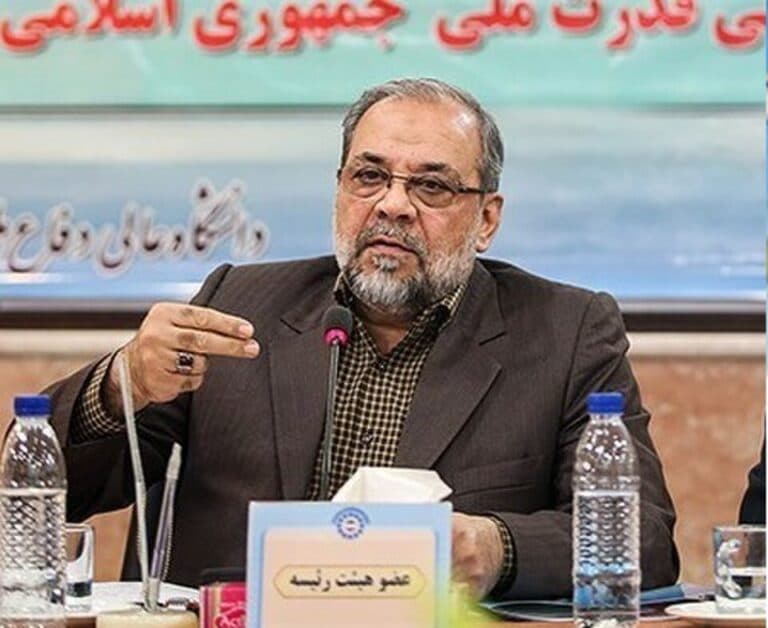
Chad Joins African States Leaving The ICC
Chad announced its withdrawal from the ICC, joining other African states and raising new questions about the court’s selectivity, credibility, and bias against Israel

Israel HaBahiyr
·19:41
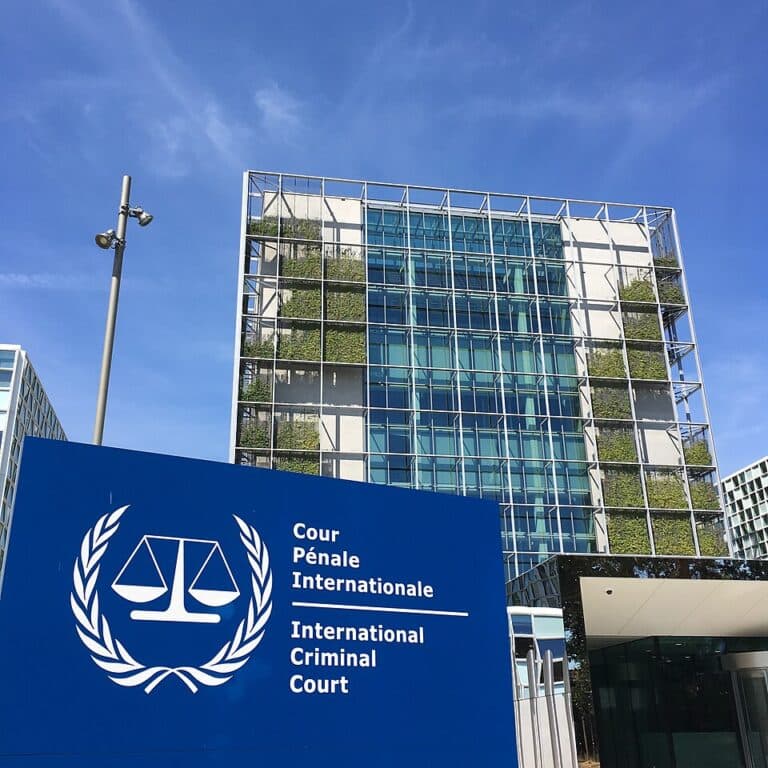
Chad ICC withdrawal marks another blow to the International Criminal Court, as African states continue to challenge the court’s legitimacy, selectivity, and effectiveness.
Chad announced today that it will withdraw from the International Criminal Court in The Hague. The move places Chad alongside Burkina Faso, Mali, and Niger, which have also moved away from the court due to claims of selective enforcement and years of ineffectiveness.
The announcement follows wider criticism of the ICC from countries that argue the court applies international law unevenly. For Israel, that criticism carries direct relevance because the court has repeatedly faced accusations of targeting the Jewish state while ignoring or minimizing far more blatant abuses by terror regimes and authoritarian actors.
The Tanakh says, “Justice, justice shall you pursue.” That command gives this story its moral center. Justice must mean equal standards, not political theater wrapped in legal language.
Chad ICC Withdrawal
Chad’s decision strengthens a broader African challenge to the ICC’s authority. For many critics, the issue is not whether war crimes should face accountability. The issue is whether the ICC applies justice fairly, consistently, and without political bias. When countries conclude that the court acts selectively, the institution loses the moral authority it claims to defend.
For the United States, this matters because Washington has long treated the ICC with caution. America values accountability, but it also guards national sovereignty and rejects attempts by international bodies to override democratic governments or target allied leaders.
For Israel, the danger is even more direct. Israel faces terror armies, hostage-takers, Iranian proxies, and enemies that embed themselves among civilians. Yet international legal institutions often pressure Israel more aggressively than the regimes and terror groups driving the violence.
ICC Bias And Israel

This development also sharpens the relevance of “ICC Prosecutor Who Pursued Netanyahu Warrants Suspended.” Karim Khan, the ICC prosecutor who sought arrest warrants for Netanyahu and Gallant, has been suspended amid sexual misconduct allegations he denies.
That article highlighted a deeper credibility problem for the court. When the same institution that pursued Israeli leaders faces internal scandal and growing withdrawals, its claim to neutral moral authority weakens. Israel’s concern is not accountability itself. Israel is a democratic state with courts, investigations, public debate, and military legal review.
The concern is selective international lawfare that treats Israeli self-defense as criminal while granting political cover to those who start wars, hide among civilians, and celebrate terror.
Covenant Of Justice And Sovereignty
The United States and Israel share a covenantal understanding before God rooted in justice, truth, liberty, and national responsibility. That shared covenant appears when both nations insist that law must serve justice rather than ideology. It appears when America defends constitutional sovereignty and when Israel defends Jewish sovereignty against institutions that try to criminalize its survival.
America and Israel both understand that justice cannot survive if powerful institutions apply one standard to democracies and another to terror movements or hostile regimes. Real justice must protect innocent life, punish actual crimes, and respect the right of free nations to defend their people.
Chad’s withdrawal does not end the debate over the ICC. However, it adds to a growing question: can the court still claim global legitimacy when more countries see it as selective, ineffective, or politically compromised? For Israel, the answer matters because the ICC has become part of the diplomatic battlefield against the Jewish state. For America, it matters because international institutions can shape the pressure placed on U.S. allies and soldiers.
Ultimately, the ICC’s crisis shows that justice without fairness becomes power. If the court wants credibility, it must prove that law applies equally and not only where politics makes prosecution convenient.
For more stories on Israel, faith, and the values behind the headlines, follow Sinai on Facebook and Instagram.
Discussion0
No comments yet — be the first to share your thoughts.