Blessings Part 3: Birkat HaMazon After Meals – Reflecting the Story of the Jewish People
Daily Inspiration From the Rabbi’s Study


“…and you will eat, be satiated, and bless your God on the good land He has given you”
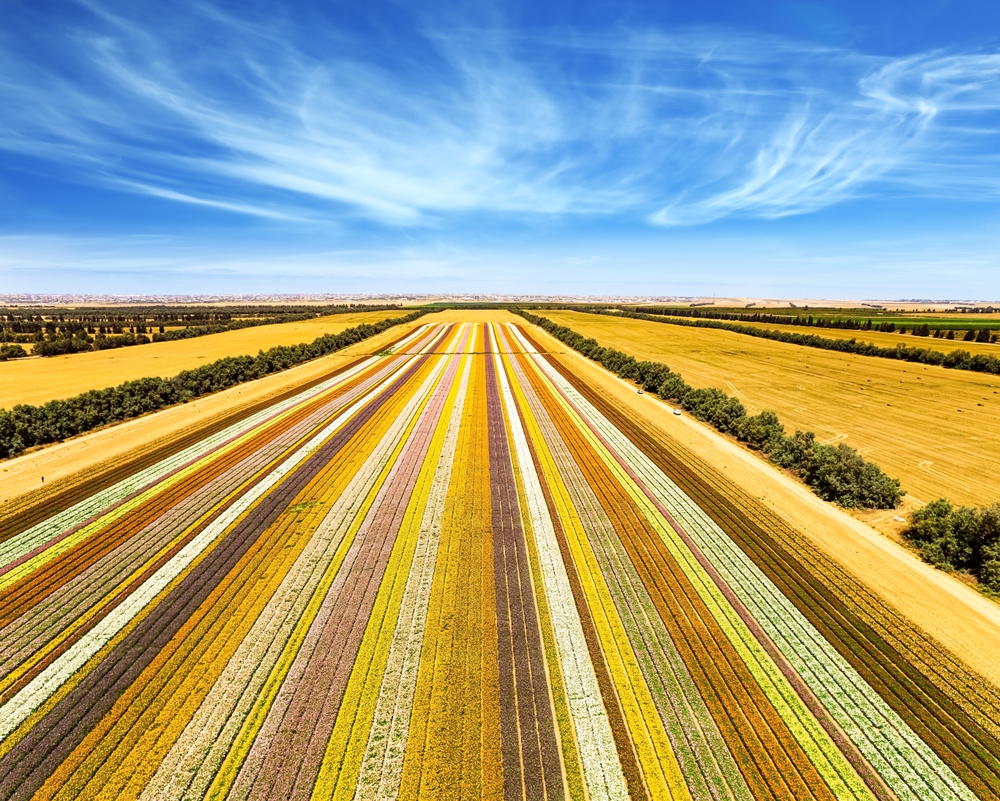
Birkat Hamazon (Grace after meals) is a biblical directive based on Deuteronomy 8:10, but the actual blessings were created over time, first by Moses as the children of Israel traveled in the desert and then with other biblical personalities such as Joshua, David and Solomon. The Torah records one verse but includes three themes: ‘…and you will eat, be satiated, and bless your God on the good land He has given you’.
The first part of the verse charges us to bless God for the food and sustenance that He provides for us and the entire world; the next section reminds us that there is an additional obligation to thank God for the land upon which this eating and satiation will take place; the third component relates to the ‘good’ land which the Talmud (Berachot 48b) associates with Jerusalem and the Temple.
Therefore, Moses fashioned the first blessing which speaks about food/sustenance. It is appropriate that it is Moses since he was the one who governed the miracle of the Manna—the direct expression of God’s miraculous sustenance for the Israelites in the desert. Joshua instituted the second blessing—about Israel—because under his command the Israelites conquered and settled the land of Israel. The Manna miracle ceased, and the tribes then began an agricultural existence with the clear message of seeing the hand of God in nature in the same way it was seen overtly in the miracle of the Manna.
David and Solomon focus our attention on uniting the kingdom of Israel, all the tribes, to one city, the Temple, where the presence of God will be felt most intensely. For this reason, they are the authors of the third blessing, rounding out the biblical obligation.
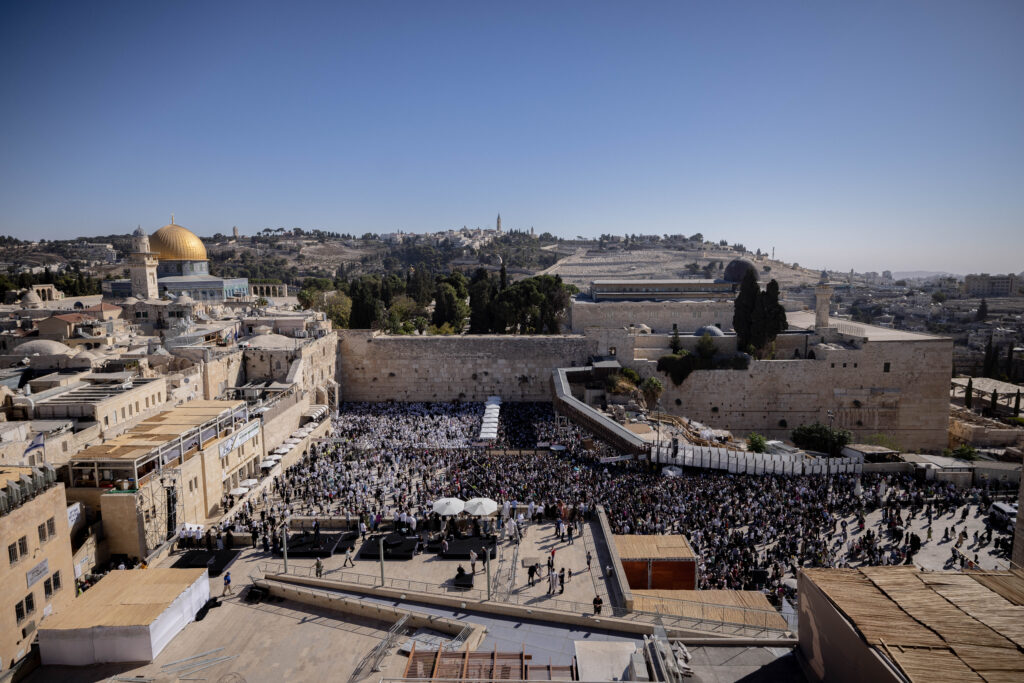
Over a thousand years elapse and there is need for an addition to the Birkat Hamazon by the rabbis who lived after the destruction of the second Temple and the land of Israel (2nd century CE). This blessing is not one which celebrates the success of the Israelites but the notion that even after tragedy there is still room for blessing; even in the midst of persecution there can still be space for turning to God and thanking Him on a personal level.
Another thousand years transpire and the Birkat Hamazon continues to expand. Stemming from the Talmudic suggestion (Berachot 46a) to include a blessing made by the guest for the owner of the house, a host of additional requests were appended to the end of the Birkat. That list extends to additions during special days such as Shabbat, Rosh Chodesh and holidays.
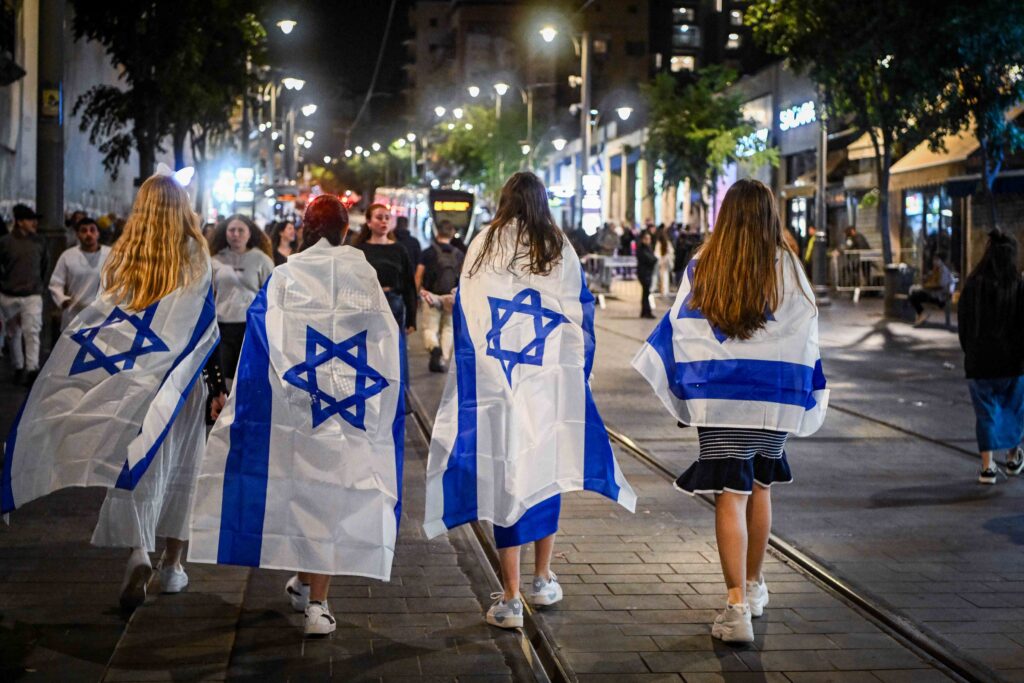
The most recent addition took place in the last 70 years with the miracle of the rebirth of the State of Israel—a request for the welfare of the state and for the health and security of the Israel Defense Force.
Discussion0
No comments yet — be the first to share your thoughts.