Bible Study for Curious Children: This Week’s Torah Portion is ‘Shemini’
This week’s Torah portion is Shemini, which means “eighth” in Hebrew. It can be found in Leviticus 9:1–11:47 and is read in synagogues around the world. Join us for weekly learning and explore the Jewish perspective—perfect for all curious kids who love to ask questions and discover meaningful stories the Bible.

What Does “Shemini” Mean?
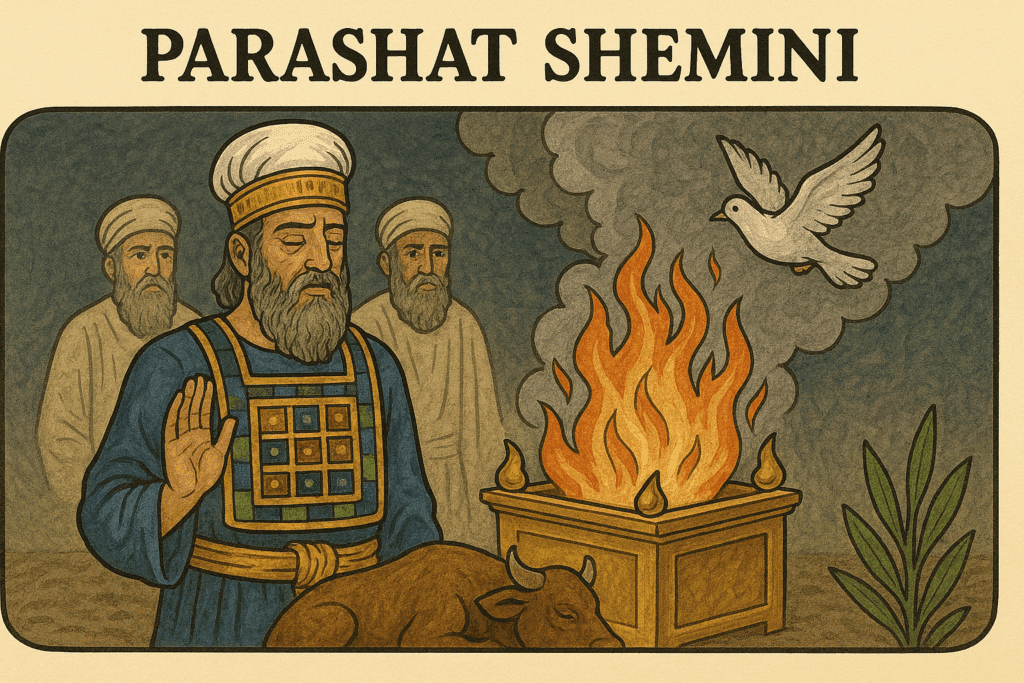
“Shemini” (שְׁמִינִי) means “eighth” in Hebrew. This Torah portion comes from Leviticus 9–11, and it describes what happened on the eighth day of a very special celebration when the Israelites finished building the Mishkan (Tabernacle)—the holy place where God’s presence would dwell among them.
What Happened on the Eighth Day?
- The Tabernacle was complete, and the kohanim (priests)—Aaron and his sons—began their sacred service.
- They brought korbonot (offerings) to God, and something amazing happened:
-
Fire came down from heaven and consumed the offering on the altar (Leviticus 9:24).
The people saw it and shouted with joy and fell on their faces. -
This moment showed God’s presence, holiness, and acceptance of the offerings.
A Warning About Holy Responsibility
But then something went wrong. Aaron’s two sons, Nadav and Avihu, brought “unauthorized fire” before the Almighty—something He had not commanded. As a result, they died. This teaches that serving God is a holy responsibility, and we must approach Him with respect and obedience—not just excitement or emotion.
Kosher Laws Begin Here
This parsha also gives the first rules of kosher eating—God’s design for what the Israelites could and couldn’t eat. Here are some basics:
- Land animals: Only animals with split hooves and that chew their cud (like sheep and cows) are permitted.
- Fish: Must have fins and scales (like salmon or trout).
- Birds: Some birds like chicken and dove are allowed; others (like eagles or vultures) are not.
- Insects and reptiles: Not kosher (except a few kinds of locusts mentioned later!).
For Jewish people, these laws are a way of living in holiness every day—even while eating.
Touring Tip for Israel Visitors
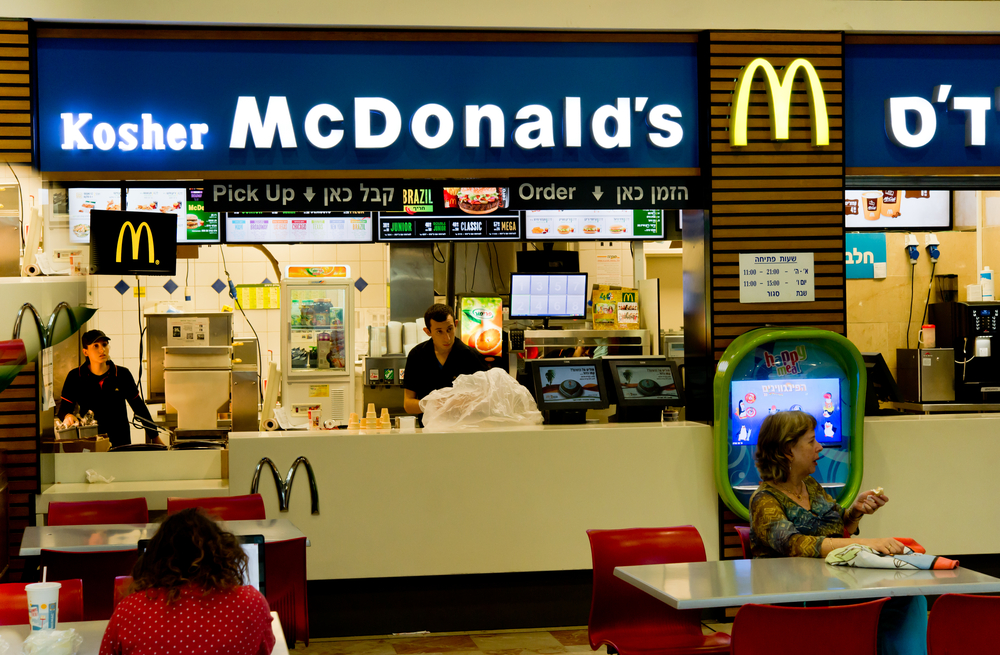
When visiting Israel, you may see kosher symbols on restaurants or foods. Ask your guide or host what makes something kosher, and how Jewish people still follow these laws today.
Challenges – Send us Pictures of Your Work
1. Draw the Mishkan (Tabernacle)
Draw a simple picture of the Mishkan. Where was the mizbeach (altar)? Where would the Kohanim (the ones serving in the Tabernacle) stand? Use your imagination to decorate it beautifully!
2. Kosher or Not?
Make a chart with two columns: “Kosher” and “Not Kosher.” Use animal stickers or drawings to sort which animals the Torah says are allowed to eat. (Hint: Animals that chew their cud and have split hooves go in the “Kosher” column.)
3. Silent Strength Roleplay
Act out a story where someone experiences something hard but shows strength by being calm or quiet. Discuss: Is silence sometimes stronger than words?
Discussion0
No comments yet — be the first to share your thoughts.