Ali al-Zaidi’s Washington Visit Could Test Iraq’s Direction
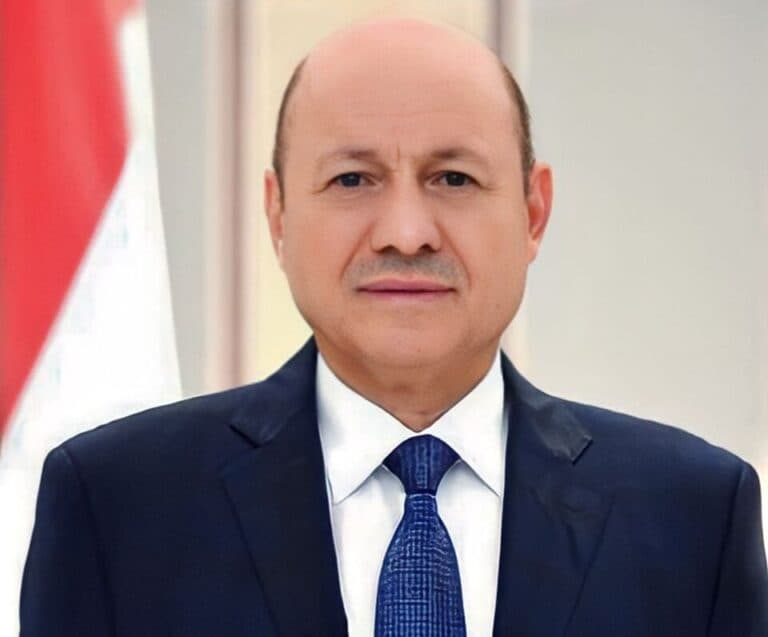
Ali al-Zaidi’s expected Washington visit could test Iraq’s direction, as his government seeks closer U.S. ties while facing pressure over armed factions

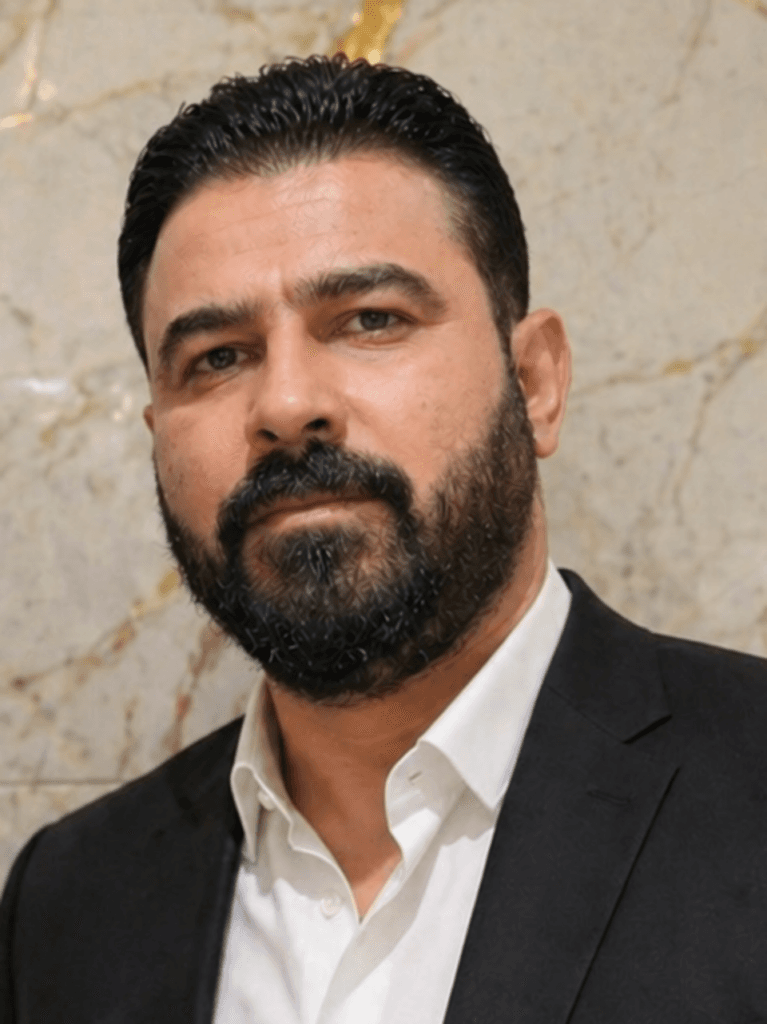
Ali al-Zaidi’s Iraq government could become an important test for Washington, Jerusalem, and the wider Middle East.
U.S. Secretary of State Marco Rubio said there are “positive signs” regarding the formation of Iraq’s new government. He also said Iraq’s new prime minister is expected to visit Washington soon and meet with President Trump.
For the United States, that visit could strengthen ties with Baghdad at a sensitive moment. For Israel, the issue is far more indirect but still important. A more sovereign Iraq could limit the freedom of Iranian-backed terror factions operating inside the country.
Proverbs teaches, “By justice a king gives stability to the land” (Proverbs 29:4). In Iraq, stability depends on whether the state can control weapons, borders, and policy instead of surrendering them to armed groups.
Ali al-Zaidi Iraq Policy
To be clear, Ali al-Zaidi is certainly not a pro-Israel figure. His public stance follows Iraq’s anti-normalization and pro-Palestinian line.
Iraq still has one of the harshest anti-normalization positions in the region. Therefore, no one should mistake al-Zaidi’s government for a step toward open relations with Israel.
However, his push to bring armed factions under state authority marks a different kind of development. It suggests a more pragmatic, sovereignty-focused approach than the openly Iran-aligned militia camp.
That matters because Iraq has long served as a battleground between state authority and Iranian-backed armed factions.
Why Washington Matters
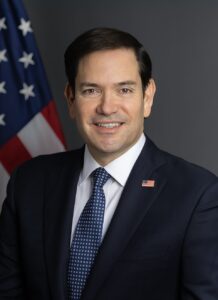
Closer U.S.-Iraq cooperation could serve American interests by reducing Iranian influence, strengthening Iraq’s economy, and creating a more stable regional partner.
It could also serve Israel’s security interests. If Baghdad limits terror factions and reduces Tehran’s room to operate, Iran loses another channel for regional pressure.
That point connects directly to Rubio’s broader warning. As covered earlier in “Marco Rubio: Iran Still Led By Extremist Clerics,” Rubio said Iran remains led by extremist clerics, warned against Iran-backed proxies, and stressed that U.S. diplomacy will not endanger Israel or Gulf allies.
A Step Toward Sovereignty
The United States and Israel share more than strategic interests. Both nations, at their best, understand national life through covenant with God: liberty under moral responsibility, the defense of human dignity, and the duty to protect innocent life from tyranny and terror.
That shared covenantal outlook does not mean every regional partner will openly embrace Israel tomorrow. It means America and Israel should support steps that move the region away from militias and toward lawful sovereignty.
Al-Zaidi’s Iraq remains far from normalization with Israel. However, any serious effort to rein in terror groups is a step in the right direction.
If real peace ever becomes possible, it will begin with states that can speak for themselves, control their own territory, and resist Iran’s proxy network.
For more stories on Israel, faith, and the values behind the headlines, follow Sinai on Facebook and Instagram.
Discussion0
No comments yet — be the first to share your thoughts.