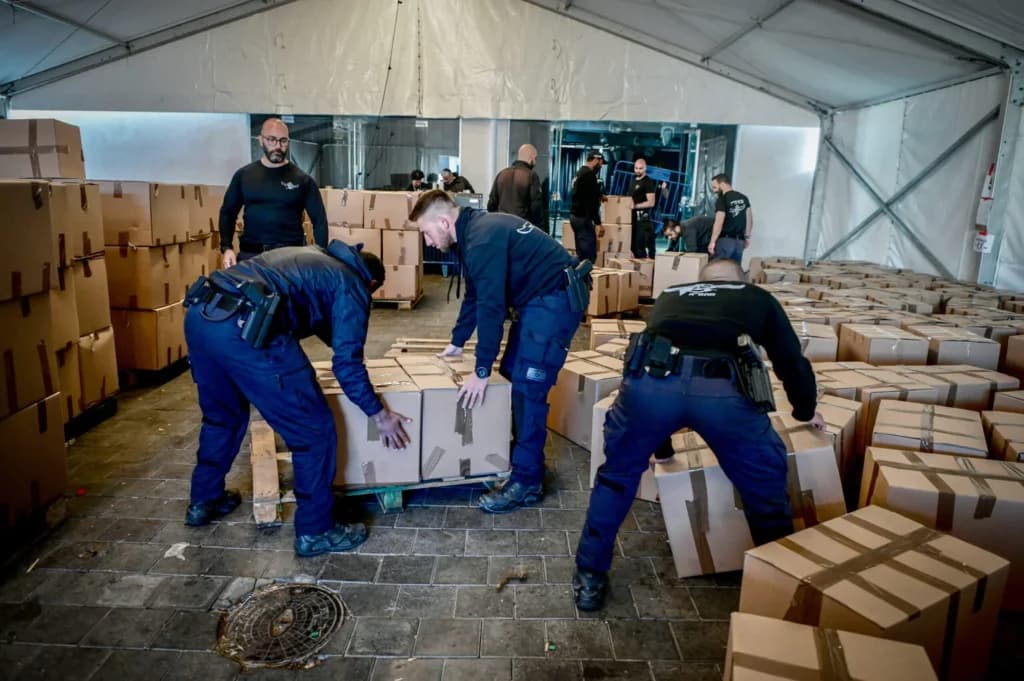

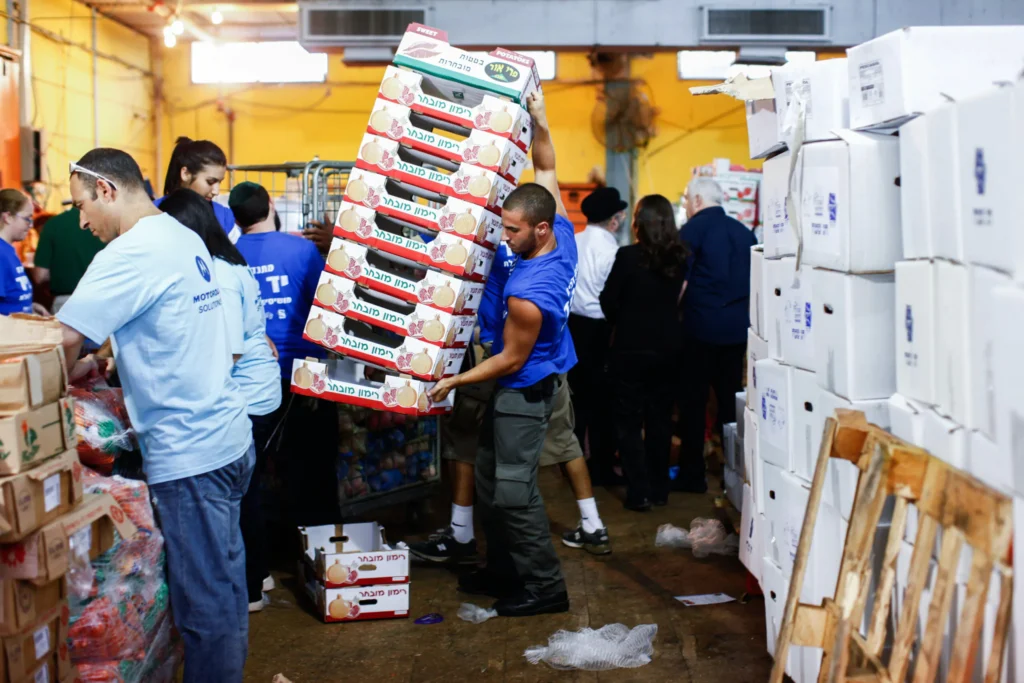
Food Distribution, Illustrative | Photo: Avshalom Sassoni/Flash90
Thousands of Meals for Evacuees
The “Teachers’ Association,” operating under the Teachers’ Union, canceled its planned Independence Day event that was scheduled for this evening. As a result, the association was left with thousands of pre-prepared meals. Rather than let the food go to waste, the association decided to distribute it.
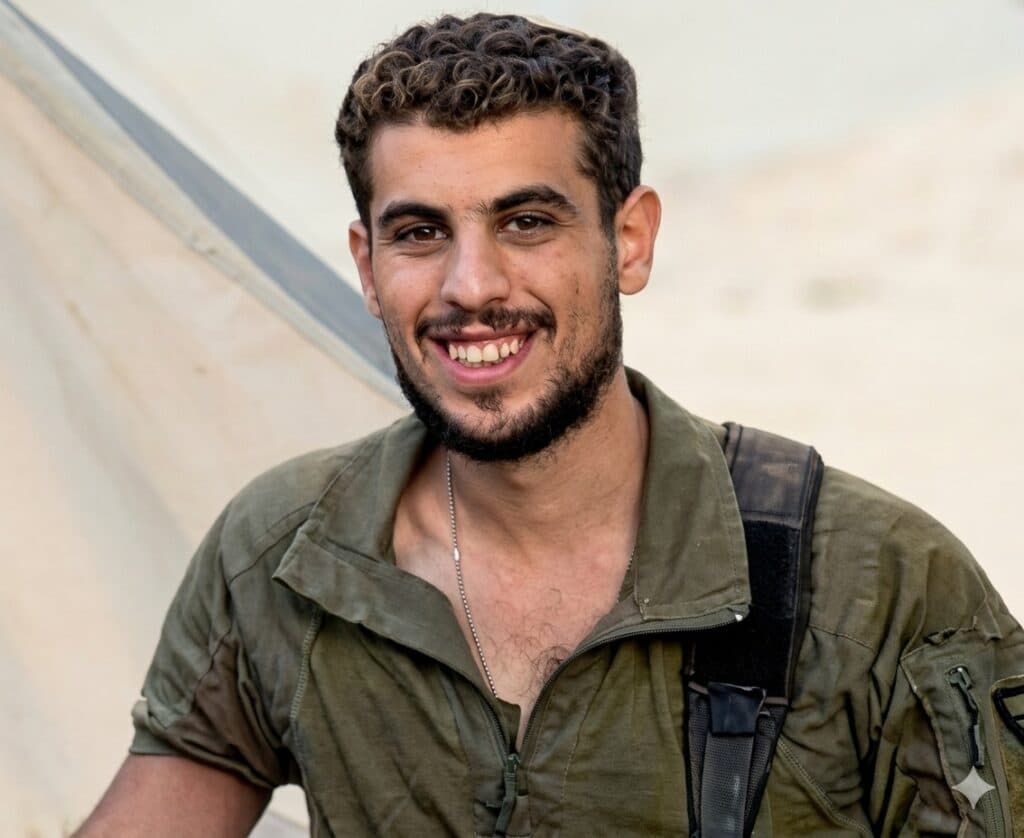
The meals will be delivered to evacuees, firefighters and rescue teams, police officers, IDF soldiers, and humanitarian organizations. A dedicated logistics center has been established to coordinate delivery to various sites across the country.
Hosting Families
Due to the fires, road closures, and halted train service, thousands of citizens, soldiers, and families have found themselves stranded in Jerusalem without a way to return home. In response, the Jerusalem Municipality, together with the city’s parents’ association, launched the “Hosting Families” initiative. The project calls on local parents to open their homes and offer a warm place to stay for those in need.
Mayor Moshe Lion stated, “Jerusalem has always been a symbol of mutual responsibility,” and added that the entire city is coming together to unite hearts. Eric Kaplan, chairman of the parents’ association, reported that hundreds of families have already offered to host. Those wishing to join or request accommodation can contact the city’s 106 hotline.
Providing Essential Supplies
The Bnei Akiva youth movement launched the “Hineni” emergency hotline to provide immediate aid to families and communities affected by the fires. Assistance includes transporting supplies, hosting arrangements, help for the elderly, support for children, and delivery of essential items. The hotline operates 24/7 and is staffed by volunteer teams.
These efforts join the work of the “Generation of Victory” reservists movement, which includes thousands of IDF officers and reservists from across the country. The group has established regional civilian command centers to respond to the aftermath of the fires. These centers serve as hubs for coordination and aid, supporting local initiatives, addressing community needs, strengthening civilian resilience, and organizing volunteer networks. The movement emphasized that the goal is to “fill the gaps where the state falls short” and to act out of genuine mutual responsibility in this time of emergency.
Discussion0
No comments yet — be the first to share your thoughts.