Mossad’s Secret Influence Unit Targets Senior Iranian Officials, Report Says
A reported Mossad influence unit established in 2021 uses damaging disclosures and information operations to help remove senior Iranian officials from power

Secret Influence Unit
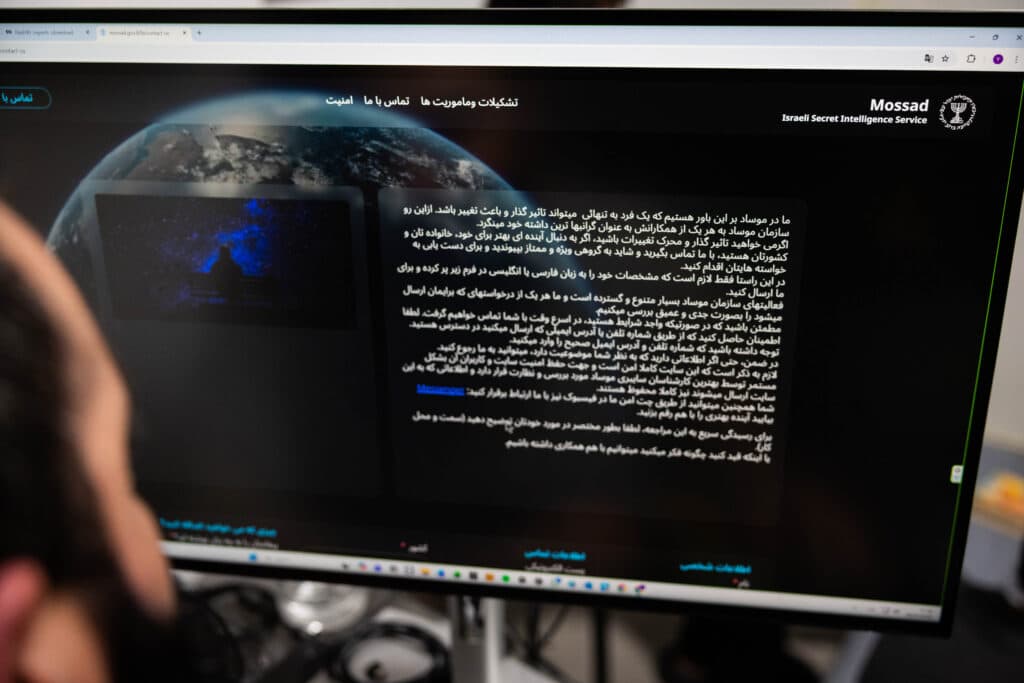
A remarkable revelation from Israel’s intelligence world: According to Israel Hayom, the Mossad established a secret division in 2021 known as the “Influence Operations Division,” tasked in part with removing senior Iranian officials whom Israel does not want to remain in positions of power.
Iran International, citing the Israel Hayom report, said the unit was created after David Barnea became Mossad chief and was initially used to push senior Iranian officials out of positions of influence. The reported method included leaking damaging information through media and social networks.
The division represents a different kind of intelligence activity. Rather than focusing only on assassinations or physical sabotage, the unit reportedly uses exposure, pressure, and information warfare to make certain officials politically or professionally impossible to keep in place.
A senior Mossad official identified only by an initial described the logic behind the approach:
“Traditionally, the Mossad knew how to get rid of people mainly through assassinations,” he said, “but when someone is harming you, exposing embarrassing details from their past often leads to their immediate removal from the circle. They are simply fired or reassigned.”
A Different Kind of Pressure
The senior official said the strategy can achieve the same basic objective as a lethal operation, but with fewer resources and less operational complexity.
“Carrying out an influence operation that ultimately results in someone being removed is far cheaper and simpler than an assassination operation,” he said. “In the past, the Mossad did not think in those terms.”
Israel Hayom reported that this approach had not previously been common in the Mossad, and that the influence operations branch was established as part of broader organizational reforms introduced after Barnea entered the Mossad director’s office.
The logic is simple but powerful: in a regime built on secrecy, loyalty, and ideological control, public embarrassment can become a form of immense pressure. A damaging leak may not physically remove an official, but it can weaken his position, trigger internal suspicion, and make him too costly for the regime to keep in power.
The Ghasemi Case
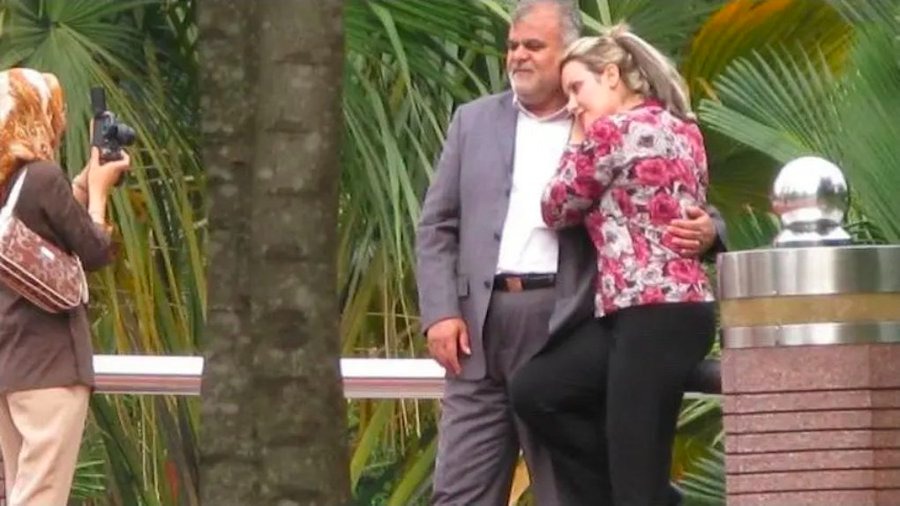
One reported example is the case of Rostam Ghasemi, a former Iranian roads and urban development minister and senior Revolutionary Guards figure. According to Israel Hayom, the Mossad was reportedly behind the leak of a photo showing Ghasemi in Malaysia embracing a woman who was not his wife and was not wearing a hijab.
The photo surfaced in 2022, during the nationwide unrest that followed the death of Mahsa Amini and the regime’s crackdown on anti-hijab protests. Iran International reported at the time that the leaked images caused outrage because Ghasemi was a senior figure in the Islamic Republic while the regime was enforcing strict hijab rules against women.
The scandal quickly became politically damaging. Iran International reported that President Ebrahim Raisi accepted Ghasemi’s resignation in November 2022, while Iranian media cited his deteriorating health and reports that he was suffering from cancer. The resignation came after the leaked images had circulated widely and added to public pressure around his position.
That case helps explain the logic described by the senior Mossad official. Influence operations do not necessarily remove a target through force. In some cases, exposing compromising information can be enough to damage an official’s standing, embarrass the regime, and push that person out of power.
Information Warfare
According to the senior Mossad official, the division has already produced results inside Iran.
“Today, the Mossad can already claim responsibility for the dismissal of several senior officials in Iran,” he said.
The report fits into wider coverage of Israel’s covert campaign against Iran, including efforts aimed not only at infrastructure and weapons systems, but also at the people inside Tehran’s security and decision-making circles.
The reported Influence Operations Division shows how modern intelligence work can target more than physical assets. In some cases, a reputation, career, or position inside a hostile regime can become the target.
For Israel, the unit reportedly offers another way to weaken Iran from within, using information pressure alongside more traditional intelligence operations.
Discussion0
No comments yet — be the first to share your thoughts.