Iran Deal Draft Raises Concern Over Peace Without Security
A reported U.S.-Iran deal draft includes sanctions relief, a $300 billion reconstruction plan, and future nuclear talks, raising concern in Israel over enforcement and security

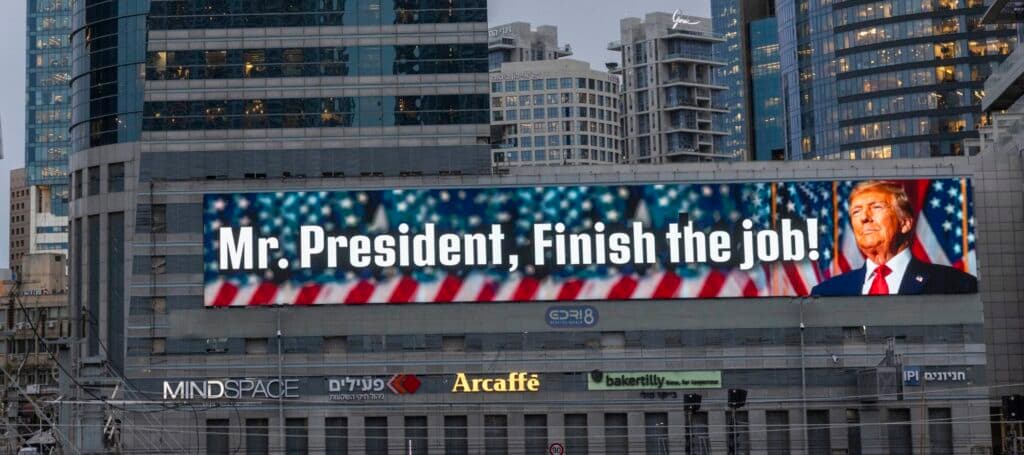
A reported Iran deal draft between the United States and Iran is raising serious concern in Israel and among pro-Israel voices in America.
The draft is being presented as a path to peace. However, for Israel, peace cannot mean treating a mortal threat with surface-level diplomacy.
The warning in Jeremiah speaks directly to this danger: “They have healed the brokenness of my people superficially, saying, ‘Peace, peace,’ but there is no peace.” That warning sits at the center of this debate.
What The Draft Includes
The 14-point memorandum of understanding, reportedly published by Bloomberg, calls for an immediate and permanent end to the war on all fronts, including Lebanon.

It also claims Iran and the United States would pledge not to initiate hostile action, threaten each other, or use force against each other. The sides would then negotiate a final agreement within 60 days.
The draft also calls on the United States to lift the naval blockade and restore full traffic within 30 days. In addition, it says U.S. forces would withdraw from the region within 30 days of a final agreement.
Iran, meanwhile, would work to restore merchant shipping between the Persian Gulf and the Sea of Oman.
Peace Or Surface-Level Diplomacy
The most sensitive points involve sanctions, money, and Iran’s nuclear program.
According to the draft, the United States and its regional partners would create an economic rehabilitation and development plan for Iran worth at least $300 billion.

The United States would also move toward ending sanctions on Iran, including U.N., IAEA, and unilateral U.S. sanctions. It would also issue waivers for Iranian crude oil, petrochemical products, and related services.
Iran, in return, would repeat that it will never produce nuclear weapons. However, the draft says the fate of enriched material and other nuclear issues would wait for the final agreement.
That is where Israel’s concern begins. A promise of peace is not enough if the machinery of danger remains in place. Jeremiah’s warning against superficial healing is not abstract. It describes the danger of calming the moment while leaving the wound open.
Israel’s Warning
For Israelis and Americans alike, real peace is not a slogan. It must protect life, restrain evil, and confront danger honestly.
Israel cannot treat Iran’s nuclear program, terror proxies, and threats against the Jewish state as technical details for later discussion. These are not minor issues. They are the core of the threat.

America also faces the same test. A strong America does not reward hostile regimes for temporary calm. It demands accountability, deterrence, and truth.
The shared Judeo-Christian tradition does not confuse quiet with peace. It warns against declaring the wound healed when the danger remains untreated.
For Israel, the question is simple: any deal must dismantle the danger, not repackage it.
Discussion0
No comments yet — be the first to share your thoughts.