
IAEA Demands Iran Reveal Enriched Uranium Stockpile
The IAEA Board of Governors passed a U.S.-backed resolution demanding Iran reveal its enriched uranium stockpile and allow inspectors access to nuclear sites

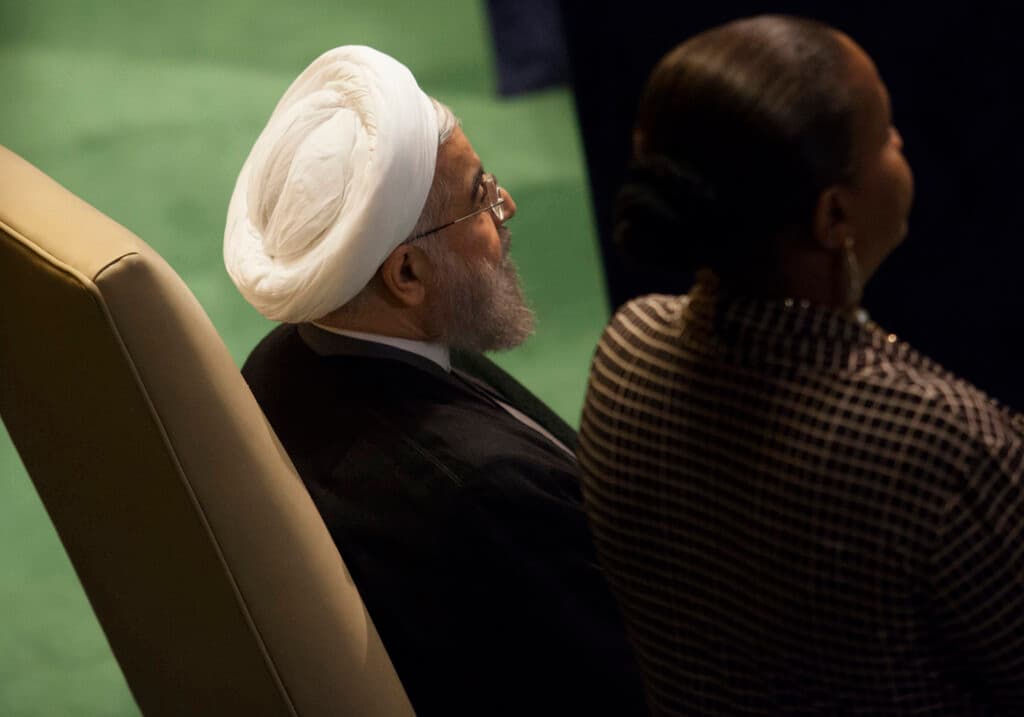
The IAEA Iran resolution passed on Wednesday, raising pressure on Tehran to reveal its enriched uranium stockpile and allow nuclear inspections.
The International Atomic Energy Agency’s 35-nation Board of Governors approved the measure with 21 votes in favor. Three countries voted against it, and 10 abstained.
The United States, Britain, France, and Germany pushed the resolution. It demands that Iran disclose the location of its enriched uranium and allow IAEA inspectors back into nuclear sites.
The vote marks a direct challenge to Tehran after weeks of regional escalation. It also reinforces a central demand from Israel and the United States: Iran cannot hide nuclear material while threatening the region.
Pressure On Tehran
The vote comes after U.S. and Israeli strikes damaged Iranian nuclear facilities. Reuters reported that inspectors still need to verify what happened to Iran’s remaining enriched uranium.
That is exactly why access matters.
For Israel and the United States, this issue is not theoretical. Iran has spent years advancing its nuclear program, threatening Israel, arming terror proxies, and destabilizing the region.
President Donald Trump has repeatedly said Iran must never obtain a nuclear weapon. Prime Minister Benjamin Netanyahu has long warned that Iran’s nuclear ambitions threaten the Jewish state.
Netanyahu made that warning concrete in 2018, when he presented files on Iran’s secret nuclear program during a press conference at the Kirya government headquarters in Tel Aviv.
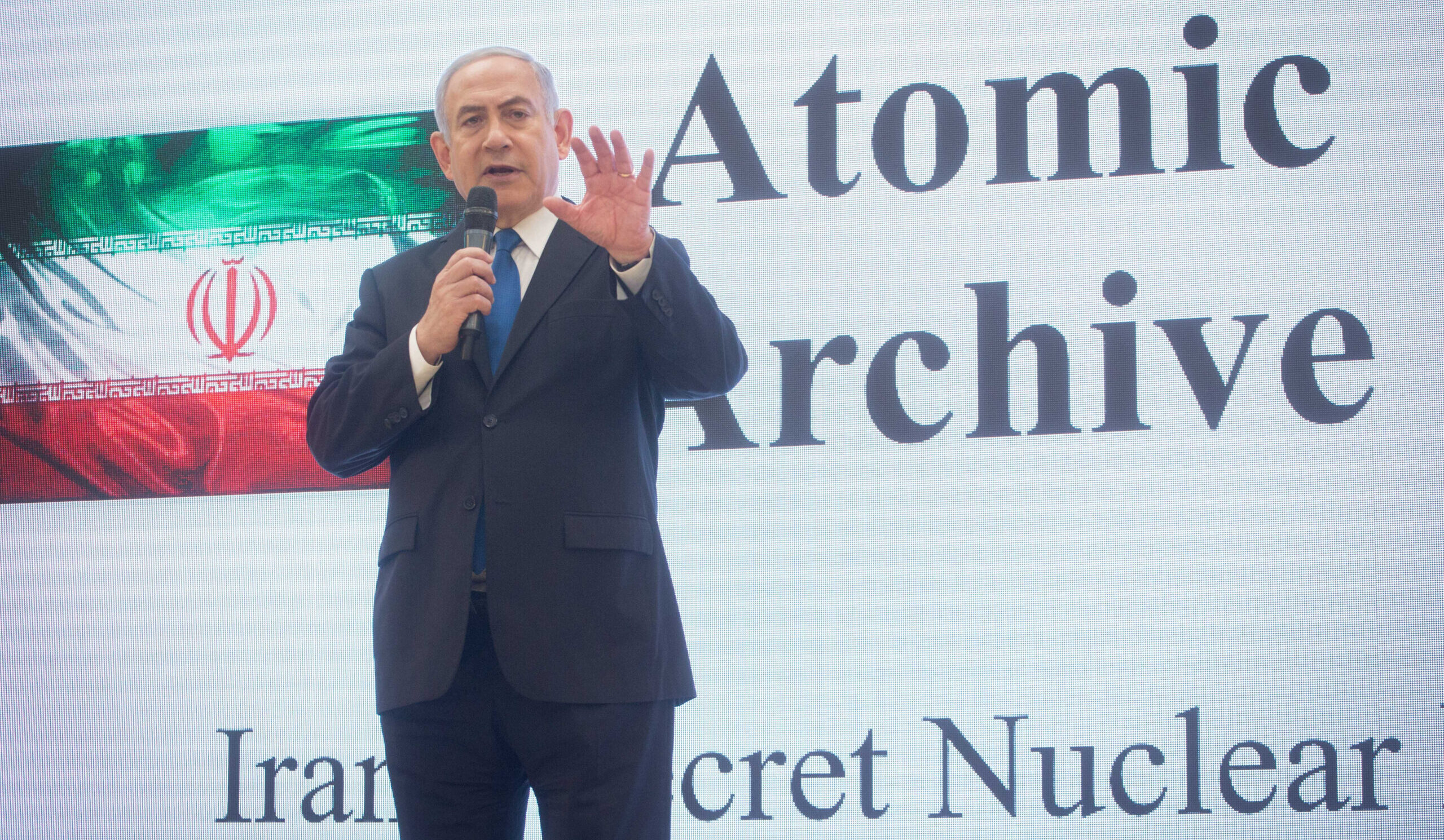
The new resolution strengthens that position. Tehran must stop hiding, stop delaying, and answer for its nuclear material.
It also sends a broader message. International inspections do not exist to protect Iran’s excuses. They exist to prevent dangerous regimes from moving nuclear material beyond the world’s view.
Iran Responds
Iran responded angrily and said it would take “reciprocal measures.”
The response came from Iran’s diplomatic representation to the United Nations and the IAEA in Vienna. Ambassador Reza Najafi leads Iran’s permanent mission there.
Iran’s Deputy Foreign Minister for Legal and International Affairs, Kazem Gharibabadi, also condemned the resolution before the vote. He accused Washington of using the results of U.S. and Israeli strikes against Iran.
Iran’s representative claimed inspections were now “literally and physically impossible.” He said the sites had been bombed and the material now sat underground.
He also accused the IAEA Board of acting politically. However, the agency says it still needs full information and access. Inspectors must verify that Iran has not diverted nuclear material.
For Israel, the conclusion is clear. A regime that threatens the Jewish state cannot hide uranium and block inspectors.
The U.S.-backed resolution sends Tehran a direct message: accountability is not optional.
Discussion0
No comments yet — be the first to share your thoughts.